Offered
Commodity MarketsLot sheet
Soybeans could gain 45 cents in thin Thanksgiving-week trade
Soybeans showed a potential 45-cent weekly gain on Nov. 27 as tariff talk buoyed thin post-Thanksgiving trade, while South American weather, livestock supply and bin retention shaped the outlook.
Market notes
- Soybeans showed a potential 45-cent weekly gain on Friday, Nov. 27, during thin post-Thanksgiving trading.
- Earlier in the week ending Friday, Nov. 27, Martinson discussed tariff increases involving 14 countries.
- As of Friday, Nov. 27, South American crops had plentiful rain, while drier El Niño conditions remained a forecast.
- The hog market showed price improvement after three to four months of weakness and a seasonal shift toward decreasing supply.
- Corn harvest remained unfinished in some states ahead of Monday's final crop progress report.
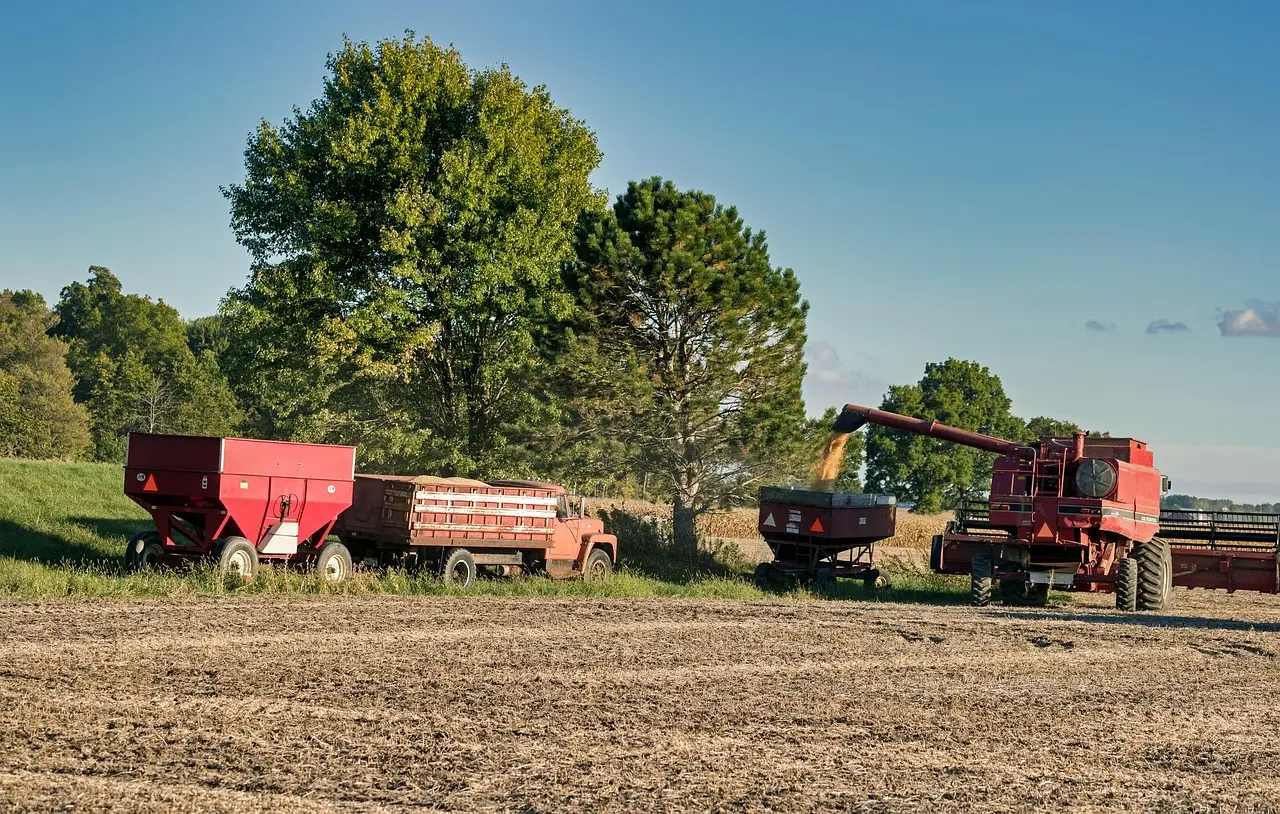
Soybeans showed a potential 45-cent weekly gain on Friday, Nov. 27, leading a broader grain-market advance even as post-Thanksgiving trading remained thin. The source offered neither an opening price nor a final settlement, leaving the 45-cent figure provisional rather than a completed weekly result.
Randy Martinson, president of Martinson Ag Risk Management, discussed Friday's trade with Jamie Dickerman of the Red River Farm Network during the Agweek Market Wrap. The segment, sponsored by FMNE Insurance, supplied market commentary rather than official crop, trade or farm-margin data.
What drove the soybean rebound?
Martinson linked the soybean rebound to renewed talk of potential tariffs. “Which is a tremendous improvement over what we've been seeing,” he said. “And especially when we talked about 14 countries getting tariffs increased here earlier in the week.”
The discussion did not identify the 14 countries, tariff rates, affected commodities, growers, cooperatives, input suppliers or government agencies. With no acreage, yield or farm-cost data, the policy signal cannot be converted into a farm-margin estimate.
Takeaway: Tariff headlines supplied market support, but the source did not establish a measurable gain in grower returns.
What changed after Trump, Xi and Putin met?
A meeting among world leaders Trump, Xi and Putin yielded little concrete trade news. Trump later said in an interview that agricultural product sales were expected, though he did not identify the buyers, volume or timing.
“He did say that they're going to buy a bunch of our ag products, and that certainly did help bring some support into the marketplace,” Martinson said.
Agricultural purchases were part of the talks, which mattered more to Martinson than the lack of specifics. The comments provided a policy signal, not proof of completed purchases; no shipment schedule or dollar value accompanied them.
Takeaway: Trump's comments improved sentiment without setting a measurable export target.
How is South American weather changing the outlook?
South American weather has played a role in corn and soybean markets. Rain has been plentiful, and the source described conditions as favorable, but signs point to drying as El Niño is expected to keep the region drier during the growing season.
The source did not name South American countries, report rainfall totals, identify crop stages or estimate yields. Because no yield response, fertilizer use or input-cost estimate accompanied the forecast, its effect on costs and margins remains unquantified.
Plentiful rain represents a crop-condition report; expected El Niño dryness is a forecast. Neither is a harvested result, and the source offered no evidence of crop damage.
Takeaway: Current crop conditions looked favorable, while the drier risk remained a forecast rather than a loss.
What are livestock markets showing?
As the calendar neared December and Christmas hams moved onto the menu, the hog market began strengthening after three to four months of severe weakness. Price improvements were welcome, although the discussion gave no hog price or percentage gain to measure the turnaround.
Martinson said the market was trying to move up. He expressed hope that it was moving seasonally out of a larger-supply period into decreasing supply, which would help the market, though no slaughter totals, carcass weights or inventory measures tested that expectation.
Cattle came under pressure, likely because another port was set to open for cattle to cross the border on Monday that week. Martinson said this was the second consecutive month that a bullish cattle and feed report had failed to produce a market response.
Those reports showed tight supplies and good demand, but the source supplied no report dates, survey scope or methodology. The source also named no port, state or cattle-movement figure. Economic concerns and the possibility of another interest-rate increase continued to work against the bullish reports.
Takeaway: Hog prices were turning with a seasonal supply expectation, while strong cattle fundamentals still had not moved the market.
What could Monday's crop report mean for basis?
Monday's final crop progress report will provide the last look at corn progress as some states continue trying to finish harvesting corn. The report will measure progress, not establish final yields or completed harvest results, and the source gave no state completion percentages or harvested-acreage totals.
Martinson said grain entering bins was more likely to remain with producers. He expected that retention to start improving basis levels across the region. Tighter nearby supply could support cash bids and farm margins if producers keep grain out of the immediate market.
However, the discussion gave no basis values, storage costs, fertilizer prices, fuel costs or other input expenses. It therefore could not show whether higher basis would offset input costs or change farm margins. Bin retention also remains a behavioral forecast, not an observed result.
Takeaway: Firmer basis depends on grain staying in storage, while Monday's report is the next measurable checkpoint.
Until Monday's report and firmer local cash bids confirm the direction, the 45-cent soybean gain and expected basis improvement remain indications rather than completed outcomes.
via agweek.com (Source)
More from Olivia Hart
Show full bio
News editor covering technology and product news in Agribusiness coverage for industry professionals at Agribusiness Wire.
566 articles
Also in the yard
- USDA WASDE Delivers Rare Bullish Surprise for Grains, But Analysts Urge Caution
- U.S. Grain Markets Mixed as Soybeans Recover From Tariff Sell-Off
- Soybean Harvest at 88% as 2026 Corn Lags and Rain Looms
- Soybeans Drop Nearly 37 Cents as U.S. Grain Markets Open the Week Lower
- Soybeans, Corn Close Mixed but Post Weekly Gains