Lot No. LOT-3191 · offered November 14, 2026
Commodity MarketsLot sheet
USDA WASDE Delivers Rare Bullish Surprise for Grains, But Analysts Urge Caution
USDA's WASDE cut corn yields and trimmed soybean gains, lifting grains after months of bearish surprises. Analysts eye a 25-30% retracement for new sales.
Market notes
- USDA WASDE released the week of Nov. 13 cut corn yields below expectations and raised soybean yields less than expected.
- Projected 2027 U.S. beef production was reduced by 155 million pounds.
- Martinson advises watching for a 25-30% retracement of prior losses to resume stored-grain sales.
- Corn harvest remains delayed in Iowa, Nebraska and Minnesota.
- Trump-Xi meeting over the weekend of Nov. 13-15 could bring news on Chinese grain imports.
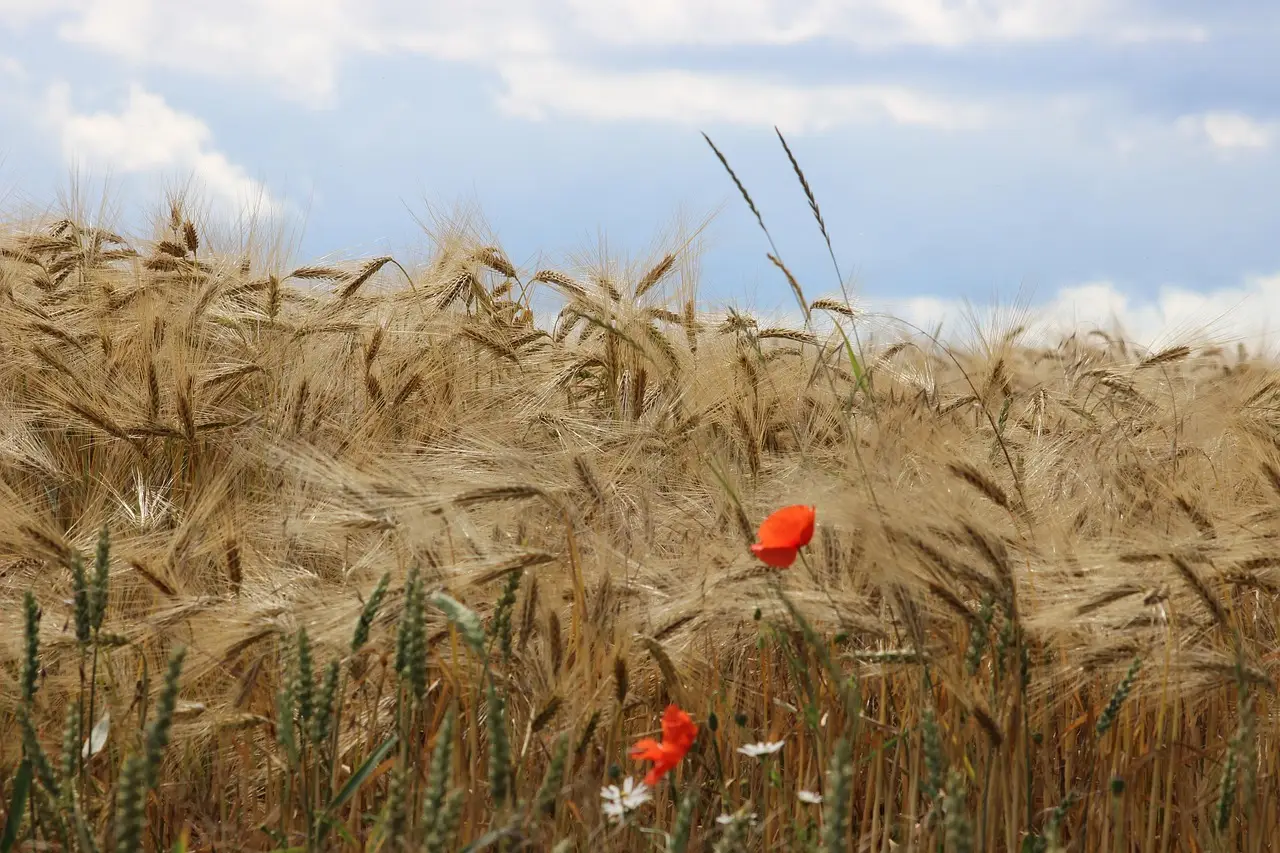
The latest USDA World Agriculture Supply and Demand Estimates report cut corn yields below expectations and trimmed the soybean yield increase traders had priced in, giving grain markets their first friendly federal report in months. Randy Martinson, president of Martinson Ag Risk Management, walked through the market response with Jamie Dickerman of the Red River Farm Network during the Agweek Market Wrap on Friday, Nov. 13.
What did the report actually change?
The WASDE confirmed strong soybean exports and continuing corn demand. Soybean yields came in higher than last time, but by less than the market expected. Corn yields landed lower than expected.
Wheat rose alongside corn and soybeans, but the report itself offered little fundamental support for the crop. Its rally was borrowed from the row-crop side of the ledger, not earned from wheat data.
The takeaway: a genuinely supportive USDA report is rare enough right now that traders noticed immediately.
Can the gains hold?
Geopolitics cuts both ways. A potential peace deal between Ukraine and Russia weighs on wheat in particular. Martinson noted that while peace sounds like a good direction, neither side has signaled that a deal would actually be favorable to them. Add the conflict with Iran, and instability remains a live factor in grain pricing.
For producers, Martinson laid out a concrete trigger point: watch for a 25-30% retracement of prior losses as a potential level to resume sales from stored grain. That is a technical benchmark, not a guarantee, and he framed it as a level to monitor rather than an automatic sell signal.
What about South America's crop?
Brazil and its neighbors continue to post impressive planting and harvesting progress. Martinson agreed the South American picture looks good — with one large caveat. El Nino remains a threat that could cause serious issues for that crop if it performs the way some forecasters predict.
"A lot more is going to be determined here in another month, as far as the soybean crop in Brazil is concerned," Martinson said.
Translation: South American supply is not a settled number yet, and the next 30 days of weather will do more for price direction than this week's report did.
Livestock: cattle firm, hogs under pressure
Cattle markets have also moved this week. Martinson said cash trade plays a role, but the production report added support on its own: projected 2027 beef production was reduced by 155 million pounds in the latest report.
"But at this point we're seeing supply start to build," Martinson said. "You know, this market's going to waffle back and forth a little bit, but it's all going to come down to domestic demand, and right now, so far, that's been pretty good."
Hog markets tell the opposite story. They remain under pressure from drifting cash prices and increasing carcass weights — a supply-driven squeeze with no policy fix attached.
What happens next?
Three items dominate Martinson's watch list:
- Harvest progress, especially a delayed corn harvest in Iowa, Nebraska and Minnesota.
- China, and whether it increases imports of U.S. grains; news could come from the planned weekend meeting between U.S. President Donald Trump and Chinese President Xi Jinping.
- Mexico trade, where U.S. exports have been strong, but President Trump's recent comments about tariff increases on Mexico, in Martinson's words, tend to throw a wet blanket over that ray of sunshine.
Every one of those catalysts sits outside the farmer's control, and each could erase or extend this week's gains.
The takeaway: this week's rally rests on a friendly report, but whether it survives depends on Brazilian weather, Chinese buying and two trade relationships Washington has yet to settle.
via agweek.com (Source)
More from Olivia Hart
Show full bio
News editor covering technology and product news in Agribusiness coverage for industry professionals at Agribusiness Wire.
520 articles
Also in the yard
- USDA's Nov. 10 Report: Corn Yield Cut Fuels Rally, But Demand Must Deliver
- USDA Cuts Corn Yield to 179.6 Bpa, Sparks Grain Rally Off Lows
- October WASDE Looms After 173M Bushel Stocks Surprise, $50/Acre Payments
- Thursday Ag Selloff Spans Corn, Soy, Wheat as WASDE Resets the Tape
- USDA Adds 234 Million Bushels to Corn Supply, Complicating Rally