Lot No. LOT-4361 · offered September 29, 2026
Agricultural PolicyLot sheet
India's Private Seed Sector Presses for Research Recognition in New Seed Bill
Private seed firms want India's new Seed Bill to formally recognise company breeding programs, a change that could widen varietal choice and shape input costs for farmers.
Market notes
- India's private seed industry is seeking explicit recognition of its research and breeding capabilities in the new Seed Bill.
- The industry argues private firms now breed and release varieties alongside public institutions, and the law should reflect that reality.
- The bill's final drafting will determine how private-bred varieties are treated in release, certification and approval processes.
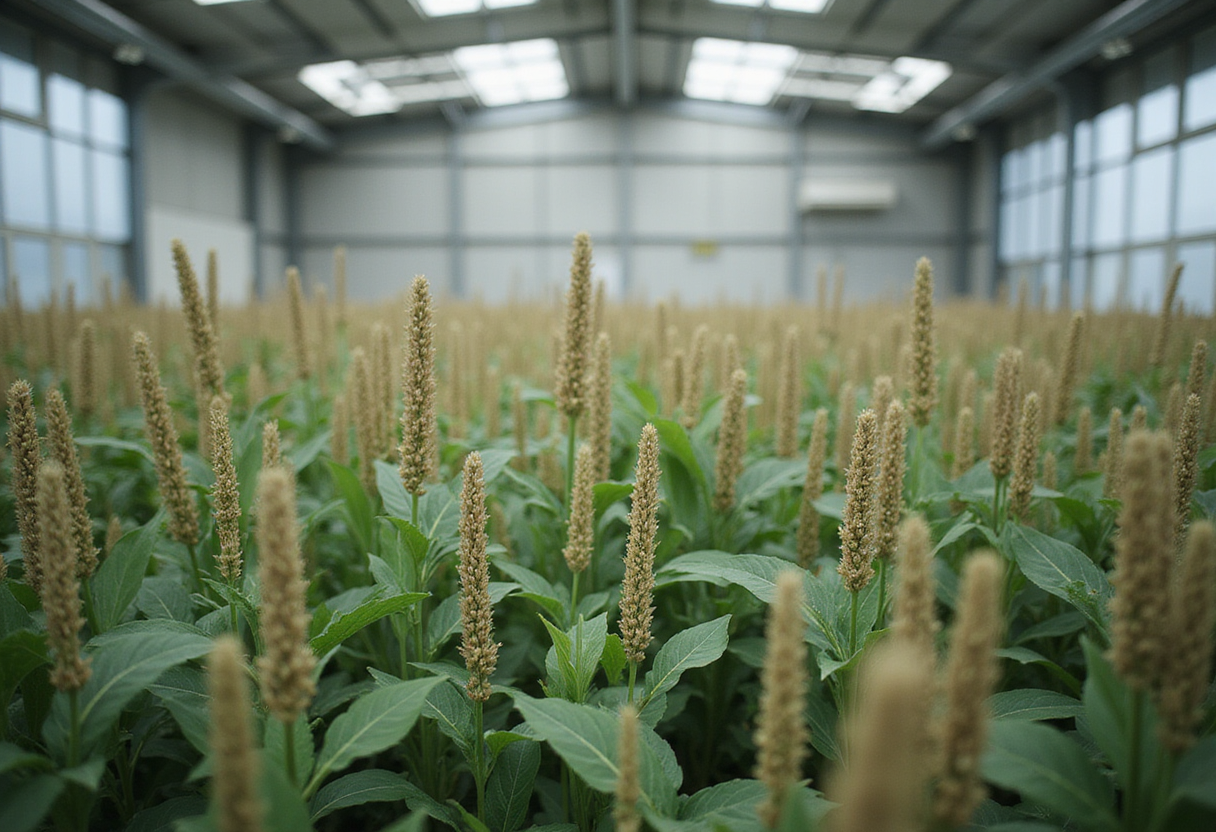
India's private seed industry is pressing lawmakers to write formal recognition of private-sector research capabilities into the country's new Seed Bill, arguing that companies' breeding programs have become a core part of the national seed supply and deserve standing in the regulatory framework.
The demand centers on a single point of policy architecture: the draft legislation, as currently framed, does not explicitly acknowledge the research and varietal development work carried out by private companies. Industry representatives want that changed before the bill becomes law. Their argument is straightforward. Private firms now breed, test and commercialise varieties alongside the public institutions that have historically dominated Indian plant research, and a seed law that treats research capability as a public-sector preserve no longer matches how seed actually reaches farmers.
The stakes for growers are practical rather than abstract. Seed is the first and one of the largest single input costs a farmer faces each season, and varietal choice drives yield potential before a single kilo of fertiliser or litre of diesel is applied. A regulatory regime that smooths the path from private breeding plot to commercial release can widen the menu of varieties available to farmers, tighten the link between breeding investment and farm-level performance, and over time influence the price and quality of planted material. Conversely, industry groups warn, a framework that formally recognises only public research risks slowing the introduction of privately bred traits and varieties, delaying gains that would otherwise flow through to yields and margins.
The Seed Bill itself is the vehicle. It has been under discussion in India for years as the country attempts to modernise a seed regulatory system that predates the current structure of the industry. The private seed sector has expanded substantially over that period, with companies moving from multiplication and marketing into full-scale research and breeding programs. That shift is what the industry now wants the legislation to reflect — not as a courtesy, but as a matter of how the law defines who can develop and release seed in India.
Public-sector institutions remain central to the system. State agricultural universities and the Indian Council of Agricultural Research network continue to produce varieties that anchor much of the country's planted area, particularly in food crops. The industry's position is not a rejection of that role. It is a claim to parity in legal recognition: private breeders should be acknowledged as research actors in their own right, with the responsibilities and standing that recognition carries.
How that recognition would work in practice remains the open question. The bill's drafting will determine whether private research capabilities are named explicitly, what standards private varieties must meet for release, and how the certification and approval processes treat seed bred outside the public system. Those design choices will shape the speed and cost of bringing new varieties to market — costs that seed companies typically pass through in pricing, and that farmers ultimately absorb in their input budgets.
For India's agricultural policy apparatus, the debate sits at the intersection of two pressures. The first is the drive to raise farm productivity, in which better seed is the cheapest yield lever available. The second is the regulatory imperative to maintain quality control and traceability in a seed market that serves tens of millions of smallholders. The industry's proposal argues that recognising private research serves the first goal without compromising the second, since acknowledged researchers can be held to the same testing and certification standards as anyone else.
The outcome now rests with legislators and the agriculture ministry, who must weigh the industry's claim against the public system's historical role and the enforcement capacity of seed authorities. If the final text of the Seed Bill grants private research formal recognition, it would mark a structural shift in how India governs its most foundational farm input — one that seed companies, breeders and farmers will watch closely as the legislation moves forward.
via Google News: Seed industry (Source)
More from Grace Kim
Show full bio
Correspondent covering industry trends and analytics at Agribusiness Wire.
159 articles
Also in the yard
- Seed Sector Urges India to Bolster Agrobiodiversity as Global Supply Shocks Bite
- Seed Industry Presses U.S. to Drop Tariffs on Research Seed
- India's Seed Industry Aims for 10% of Global Trade by 2035
- India's Seed Reforms Aim to Lift Farm Productivity in 2025-26
- Seed Industry Innovation Target: Farmers Offer Their Verdict