Lot No. LOT-5312 · offered November 19, 2026
Seeds, Crop Protection & FertilizerLot sheet
Sorghum Silage Yields Top 11 Tons Per Acre — If Hybrids Match Water
Research trials top 11 tons per acre in forage sorghum, but Texas A&M AgriLife finds corn kernel processors leave sorghum berries whole; a 130/185-tooth roll setup recovers rumen starch.
Market notes
- Research trials show forage sorghum yields exceeding 11 tons per acre dry matter.
- Standard corn kernel processors at 2-mm roll gap left larger sorghum berries unprocessed in Texas A&M AgriLife tests.
- A dedicated sorghum processor with 130-tooth and 185-tooth rolls broke berry pericarps and improved rumen digestibility.
- Most hybrids reach soft-dough stage about 20 days after half-bloom.
- Early to medium hybrids (under 86 days to half-bloom) best fit water-limited environments.
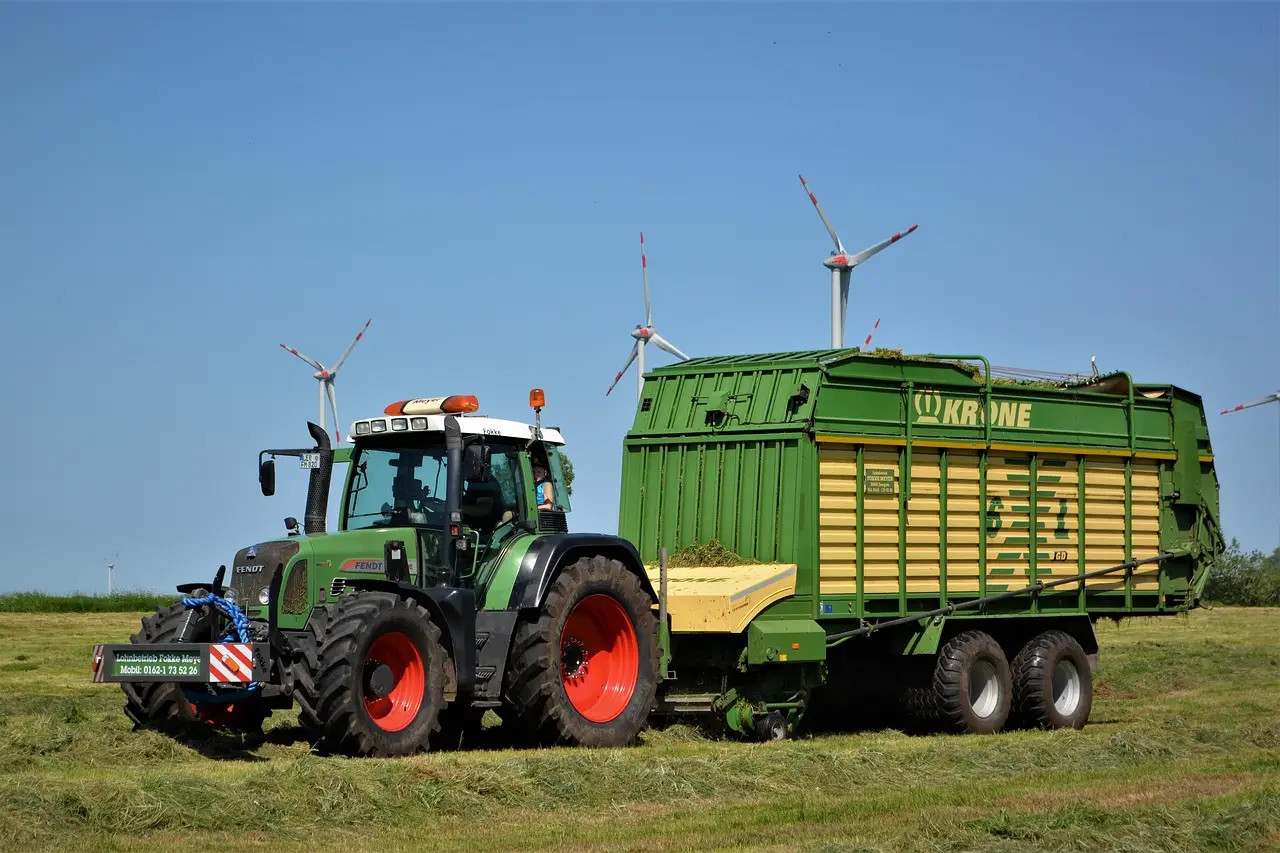
Forage sorghum research trials have logged dry-matter yields exceeding 11 tons per acre, but growers in water-limited environments only capture that ceiling when hybrid maturity matches seasonal well capacity and harvest machinery breaks the berry's pericarp, according to United Sorghum Checkoff Program agronomy director Jourdan Bell.
Writing for High Plains Journal on Nov. 19, Bell laid out the dual decisions — hybrid selection and mechanical processing — that separate roughage-grade silage from feed capable of driving weight gain and milk production in lactating dairy and beef herds.
Which hybrids fit limited water?
Producers must first define the end use: baseline roughage or a high-energy forage formulated for gain and milk. Bell's checklist asks growers to pin down well capacity, the target production window, whether scouting will cover the sorghum aphid, and how the crop will be harvested.
Late-maturing hybrids carry the highest yield potential — the trials exceeding 11 tons per acre came from that class. The trade-off is risk. Under drought, limited irrigation or dryland management, late hybrids lodge, lose yield, drop digestibility and accumulate less starch when the field, in Bell's words, "runs out of water."
In water-limited environments, she recommends early- to medium-maturing hybrids to optimize yield and nutritive value while mitigating moisture depletion. Maturity classes by days to half-bloom:
- Early: fewer than 70 days
- Medium-early: 70–79
- Medium: 80–85
- Medium-late: 86–90
- Late: 91–100
- PS (photoperiod sensitive): more than 100
Sorghum panicles bloom from top to bottom; a field reaches half-bloom when roughly 50% of the panicle or 50% of plants are actively blooming. Most hybrids hit the soft-dough stage about 20 days after half-bloom, depending on conditions. Anticipating that date matters for locking custom chopper schedules.
Aphid-tolerant hybrids add another margin. Genetic resistance to the sorghum aphid — formerly the sugarcane aphid — cuts yield and quality losses, trims chemical input costs and avoids harvest delays. Under severe pressure, resistance alone may fail and a supplemental insecticide application becomes necessary.
What does the processing research show?
Texas A&M AgriLife recently tested whether standard corn silage equipment handles sorghum berries. It does not. Larger berries escaped processing on a standard corn kernel processor set to a 2-millimeter roll gap and a 19-mm theoretical length of cut — settings designed for corn kernels.
A dedicated sorghum processor changed the result. Fine corrugations — a 130-tooth roll paired with a 185-tooth roll — successfully processed smaller spherical sorghum berries. The improved processing broke the physical barrier of the pericarp, exposing starch granules and the protein matrix to ruminal microbes and enzymes for better digestibility.
Rumen starch availability is the operating metric. Harvesting at soft dough maximizes berry processing and nutritive value, but berry size variation still leaves whole berries passing through unless the roller configuration matches the crop.
The takeaway for feed budgets: hybrid choice sets the starch and tonnage ceiling before the crop is ever planted, and roller specs determine how much of that starch the herd actually converts. Growers contracting custom chopping this season should confirm processor configuration when the crop is sorghum, not corn.
via High Plains Journal (Source)
More from Grace Kim
Show full bio
Correspondent covering people, launches and day-to-day practice in Agribusiness coverage for industry professionals at Agribusiness Wire.
548 articles
Also in the yard
- Bunge to Process BASF's InVigor Gold Canola at Warden Plant
- Missouri Harvest 80% Complete as Corn Yields Hit Exceptional Marks
- SDSU releases dual-purpose SD Sundog for grain and silage
- US Forage Millet Plantings Jump 27% in 2026 as Drought Hits Plains
- Iowa State Agronomist: Persistent Rain Stalls Harvest, Quality Erodes