Lot No. LOT-3853 · offered September 27, 2026
Commodity MarketsLot sheet
Feed Grain Prices Hold Steady as Fuel Costs Climb on the Prairies
Prairie feed grain prices are holding stable while fuel costs climb, capping feeders' largest input cost but compressing growers' margins through trucking and fieldwork expenses.
Market notes
- Feed grain prices on the Canadian Prairies are reported as stable, according to The Western Producer.
- Fuel costs are rising across the Prairie grain and livestock supply chain at the same time.
- The combination caps feed costs for livestock producers while compressing margins for grain growers through higher trucking and fieldwork expenses.
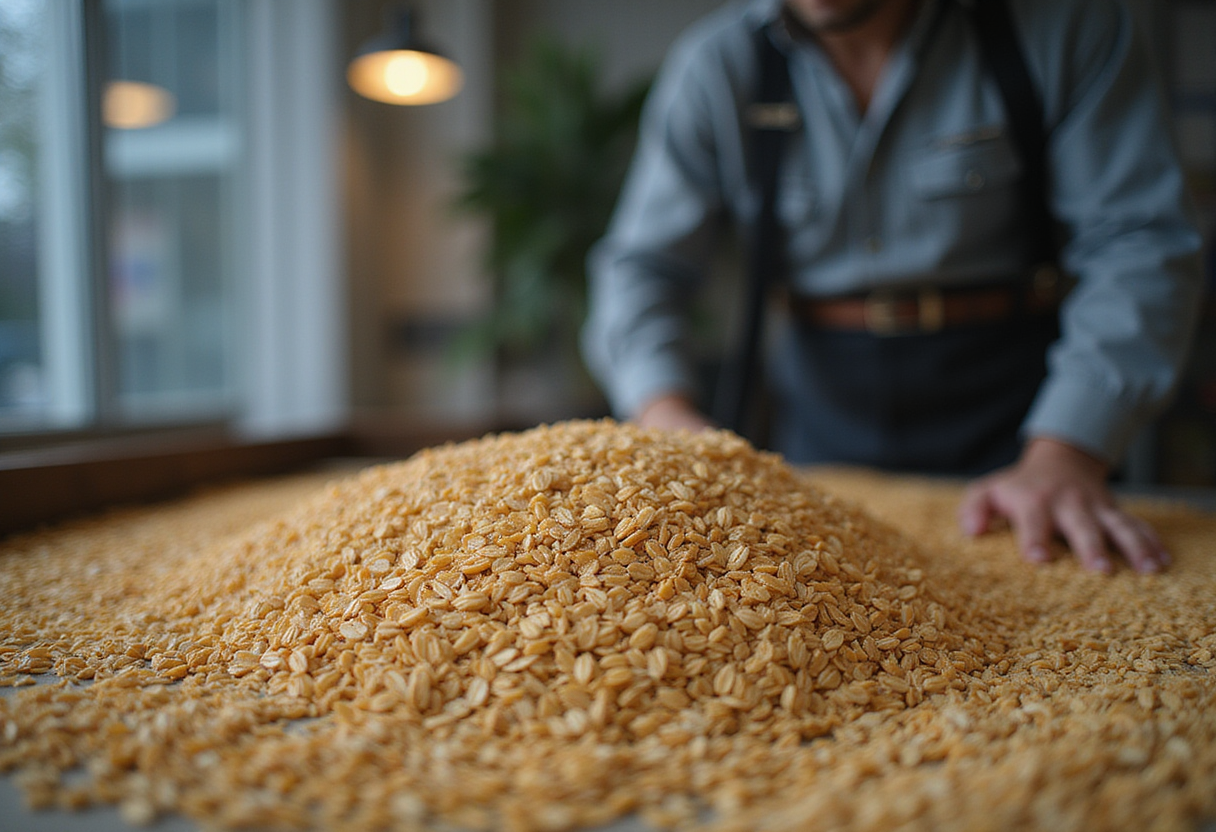
Feed grain prices across the Canadian Prairies are holding stable even as fuel costs rise, according to The Western Producer's latest market coverage — a combination that squeezes margins differently on each side of the feed trade.
For Prairie cattle feeders and hog producers, stable feed barley and wheat quotes mean the largest variable cost line in their budgets is not the source of new pressure right now. The pressure is coming from the fuel column instead. Diesel prices affect nearly every环节 of the Prairie grain and livestock supply chain: hauling grain from country elevators, moving feed to feedlots, and fieldwork costs for growers still managing harvest and post-harvest operations.
The dynamic cuts both ways depending on operation type. Grain growers facing higher fuel bills for trucking and field operations see their net margins compress even if delivered feed grain prices at regional elevators and feedlots have not moved. Livestock feeders, by contrast, catch a break on the feed side — stable grain prices cap their largest input cost — while absorbing higher costs for fuel-linked expenses such as feed delivery and cattle transport.
Stable feed grain pricing also carries information for the region's grain marketers. When feed barley and feed wheat quotes hold flat, it typically signals that Prairie supplies are adequate to meet domestic feed demand and that export channels are not pulling bushels away aggressively enough to tighten local basis. That leaves country elevator bids and feedlot direct-purchase contracts largely range-bound in the near term.
Fuel inflation, however, works quietly against that equilibrium. Higher diesel costs raise the effective delivered price of feed for buyers located far from supply points and lower the net farmgate price for sellers once trucking costs are netted out. In a market where quoted prices look flat, the true economics of each transaction can still be shifting beneath the surface.
The pricing picture aligns with the broader pattern Prairie producers have navigated this season: input-cost inflation in energy-linked categories outpacing any movement in grain values. Fertilizer, fuel and freight have all been pressure points, and the latest report confirms fuel remains the active variable while feed grains sit still.
Market participants will be watching whether that stability holds as the reporting window advances. Any pickup in export demand for Prairie barley and wheat, or any disruption to feedlot demand, would test the current price equilibrium, while further fuel cost increases would continue to erode margins on both the growing and feeding sides of the ledger.
via Google News: Grain prices (Source)
More from Marcus Bennett
Show full bio
Senior reporter covering marketplaces and e-commerce at Agribusiness Wire.
127 articles