Lot No. LOT-5642 · offered November 9, 2026
Seeds, Crop Protection & FertilizerLot sheet
Pulse Residue Study: Pea and Bean Varieties Shift Soil Nitrogen and Barley Growth
Hutton Institute research found moderate residue from some pea and bean varieties matched synthetic nitrogen fertiliser for barley growth, opening a new breeding criterion.
Market notes
- Study published in Plant and Soil by The James Hutton Institute and Universidade Católica Portuguesa, Porto
- Moderate residue from some pea and bean varieties supported barley growth comparable to synthetic nitrogen fertiliser
- Very high residue rates reduced microbial activity and nitrogen availability, but exceeded typical farm levels
- Study covered only the first 8 weeks of barley growth under controlled conditions
- Phenolic-rich residues appeared to extend the period nitrogen stayed available to plants below ground
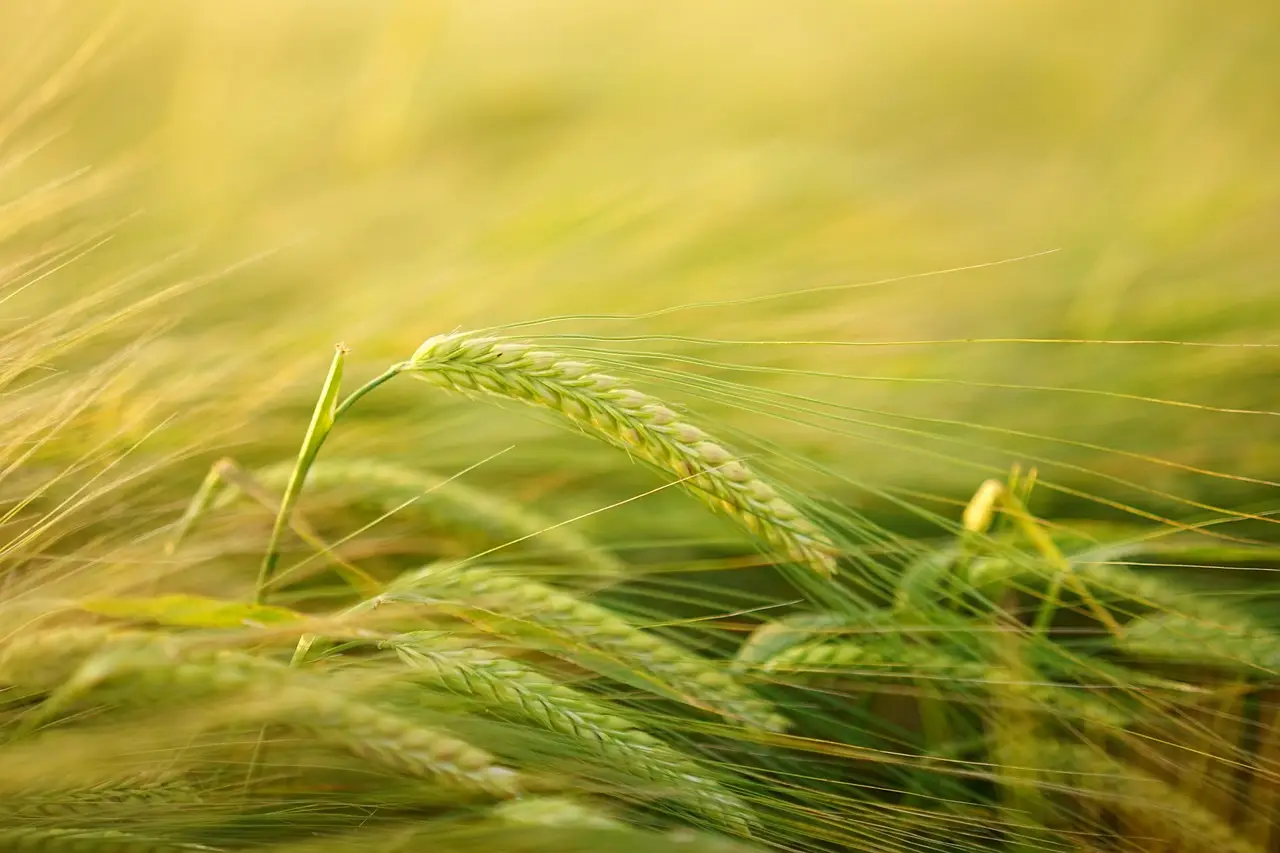
Residue from certain pea and field bean varieties supported barley growth comparable to synthetic nitrogen fertiliser, while very large residue loads slowed it, according to a new study from The James Hutton Institute and the Universidade Católica Portuguesa in Porto, published in the journal Plant and Soil.
The finding matters to growers weighing pulse varieties for rotations. Researchers found that the stems, leaves and roots a variety leaves behind can affect soil microbial activity, nitrogen availability and the growth of a subsequent barley crop. The effects depended on three variables: the variety, the characteristics of its residues, and the amount returned to the soil.
The study gives breeders a potential new selection criterion alongside yield and disease resistance — how a variety supports soil processes and the crop that follows. Peas and beans are already valued in rotations for biological nitrogen fixation (the process by which legumes convert atmospheric nitrogen into plant-available forms), which reduces reliance on manufactured fertiliser. The research suggests the chemical diversity of their residues adds a second, largely unexamined lever.
What did the researchers find?
Moderate amounts of residue from some varieties increased microbial activity, improved nitrogen availability and supported barley growth at levels comparable to synthetic nitrogen fertiliser, according to a Hutton Institute press release.
Very large amounts did the opposite — reducing microbial activity and nitrogen availability and slowing barley growth. The researchers set the highest rates far above typical farm residue levels deliberately, to help them understand the underlying processes. Growers should read the negative result as a mechanism-finding, not a field warning.
The study examined only the first eight weeks of barley growth under controlled conditions. It is a condition report, not a harvested result: field research will be needed to establish how the effects develop across growing seasons and at practical residue rates.
Why are plant compounds in play?
Professor Pietro Iannetta of The James Hutton Institute, a co-author, is particularly interested in phenolics — naturally occurring plant compounds that can play protective roles in soil and gut health.
"Such phytochemicals – the naturally occurring chemicals present in, or extracted from, plants – are being bred out of the most cultivated pulse crop varieties for mainly monogastric (farmed chicken and pig feed) markets," Iannetta said. "Consequently, we should work to understand the impacts and trade-offs of this major influence."
The point carries margin implications. If breeding for feed markets strips phenolics from commercial varieties, and phenolic-rich residues make nitrogen available to plants over a longer period below ground, then feed-market selection may be quietly costing the following cereal crop its fertiliser offset. Residues rich in phenolics appeared to change how nitrogen was used below ground in the study.
Iannetta frames the wider task in direct terms: "Understanding genuinely regenerative cropping systems demands more detail regarding the chemical nature of crop residues, how much is returned, when it is returned and how it interacts with soil biology and the crop that follows."
What comes next?
The research team wants to investigate impacts on greenhouse gas emissions, soil carbon storage and long-term soil health. For breeders, the takeaway is that a pulse variety's value may extend beyond its own yield to the soil conditions it leaves for the next crop — a criterion no current Recommended List scoring captures.
via seedworld.com (Source)
More from Rebecca Stone
Show full bio
Market editor covering people, launches and day-to-day practice in Agribusiness coverage for industry professionals at Agribusiness Wire.
469 articles
Also in the yard
- High Fertilizer Prices Put Fertilizer Application Rates Back on the Table
- High Fertilizer Prices Pressure 2027 Corn Acreage, UkrAgroConsult Warns
- Fine-Tuned Fertilizer Use Offers Corn Growers a Path to Lower Input Bills
- Soil Health Emerges as New Frontier in U.S. Crop Protection
- DTN Survey: Fertilizer Prices Fall Again for Six of Eight Nutrients