Lot No. LOT-3294 · offered November 18, 2026
Ag Finance & InvestmentLot sheet
Ninth District lenders report lower farm income, tighter credit
An October survey found 49% of Ninth District lenders expecting lower net farm income, while tighter cash, high input costs and rising loan demand complicate the 2027 outlook.
Market notes
- 49% of Ninth District lenders expected lower net farm income in the October survey; North Dakota was 67% and South Dakota 40%.
- 54% reported lower equipment and building investment than a year earlier; 78% of North Dakota lenders expected spending cuts.
- Loan demand increased for 29% of lenders, renewals or extensions for 34%, and collateral increases for 22%.
- Cropland values rose about 2.5% across the district; Montana gained 15%, North Dakota 6%, and Minnesota was unchanged.
- 58% described agriculture's broader economic effect as modestly negative, versus 22% modestly positive, in the November 13, 2026 webinar.
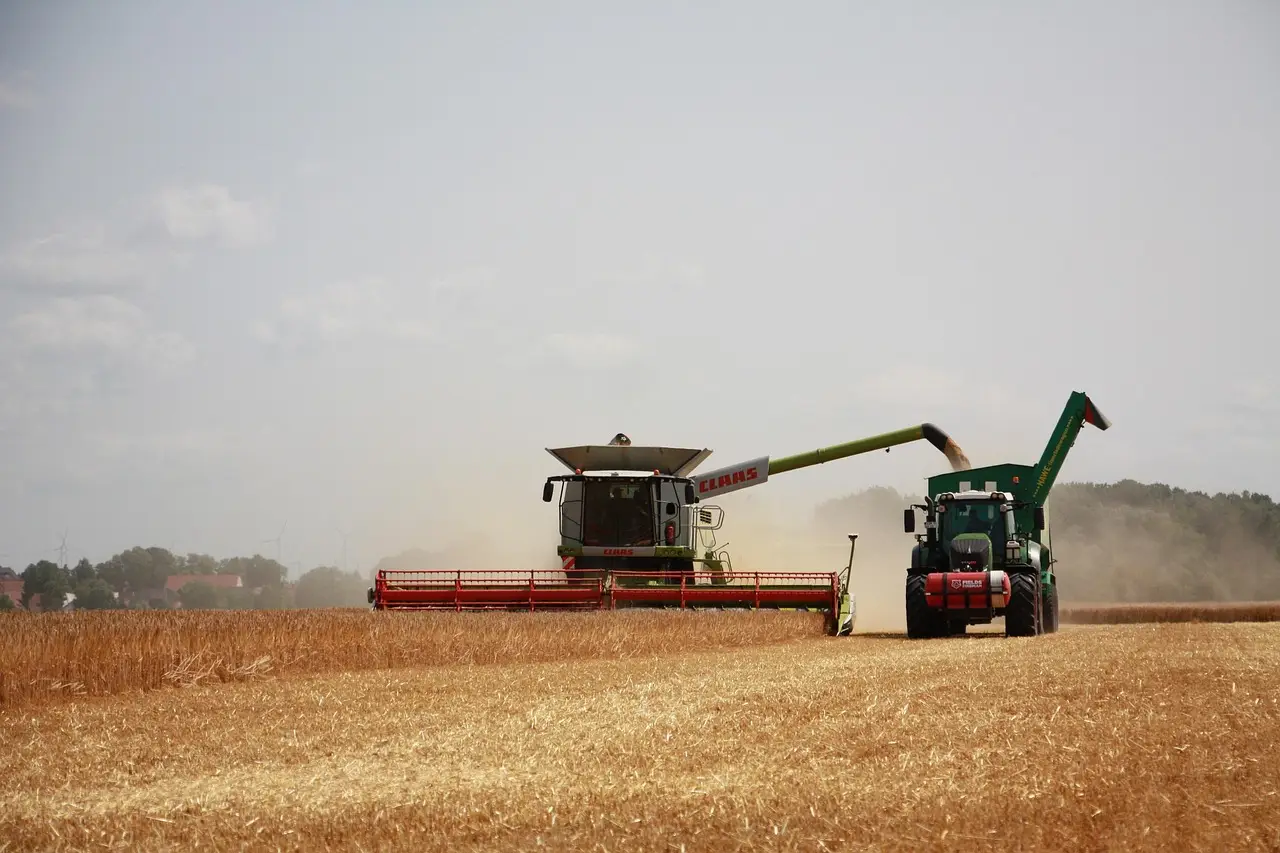
Forty-nine percent of lenders in the Federal Reserve's Ninth District expected net farm income to decline in an October lender survey, compared with 67% in North Dakota and 40% in South Dakota, according to a Federal Reserve webinar held November 13, 2026.
Joe Mahon, regional outreach director for the Federal Reserve Bank of Minneapolis, examined what those observations meant for lenders in the Ninth District. The district includes Montana, North Dakota, South Dakota, Minnesota, and portions of Wisconsin and Michigan.
What did lenders report?
- Most lenders saw decreased farm income in the October survey.
- About 54% reported lower investment in equipment and buildings than a year earlier; in North Dakota, 78% expected decreased spending.
- Thirty-nine percent of respondents reported increased household spending, while 46% said household spending was unchanged.
A Montana lender wrote in a Federal Reserve release: “As a result, much of the agricultural community remains financially stressed.”
Some lenders saw a firmer path into 2027. A Minnesota lender cited strong 2026 production and some improvement in crop prices, and a slim majority expected fourth-quarter conditions to strengthen.
Mahon said: “Not to be too optimistic, but the trend is in a positive direction.” He pointed to charts tracing rises and falls in the agricultural economy. A North Dakota lender warned that high operating costs and poor crop yields had made 2026 difficult, and optimism depended heavily on the operation and location.
Why are farm margins under pressure?
Lower incomes stemmed largely from weak crop prices over the last several years, which did not keep pace with operating costs. Cattle producers also faced added pressure from high operating costs.
Mahon said the survey added a question on how agricultural conditions affected broader business activity in lending areas. Fifty-eight percent described the effect as modestly negative, compared with 22% who chose modestly positive. He believed many respondents came from areas with more livestock production because livestock producers had done relatively well over the previous two years.
These figures represent October lender responses and expectations, not final harvested results for 2026. Mahon said some reported expense increases appeared smaller because the data were adjusted for inflation and the increases were based on August information. That reporting window matters when comparing expenses with major harvest-season input-price increases.
How did credit conditions change?
Tighter cash and higher operating costs drove more financing demand as interest rates rose.
- Loan demand increased for 29% of lenders.
- Renewals or extensions increased for 34%.
- A rise in collateral was reported by 22%.
- No bank refused a loan because of a shortage of funds.
What happened to land values and rents?
Weaker operating conditions did not prevent all land-value gains, especially in North Dakota.
- Cash rents posted small increases or remained flat across the northern Plains. North Dakota recorded a 9% increase.
- A Minnesota lender reported that land purchases remained very high.
- Across the district, values of both non-irrigated and irrigated cropland rose about 2.5% on average. North Dakota gained about 6%, Montana about 15%, and Minnesota was unchanged.
What could weigh on 2027 margins and policy?
Mahon said many producers likely prebought fertilizer and fuel before major increases arrived during harvest, which could explain why reported expenses lagged the larger price increases. The actual burden may not be felt until 2027.
He said many producers had prebought fertilizer for 2026 before the surge in fertilizer costs, and that geopolitical outcomes could make the 2027 effect larger than current results indicate.
Asked about the midterm elections, Mahon said the inability to pass a comprehensive farm bill continued to weigh on the farm economy. Some industry contacts speculated that a bill could be delayed further as new leadership took office.
For lenders, 2027 credit conditions will hinge on whether improved crop prices can offset deferred fertilizer and fuel costs while the unresolved farm bill prolongs uncertainty.
via agweek.com (Source)
More from Rebecca Stone
Show full bio
Market editor covering people, launches and day-to-day practice in Agribusiness coverage for industry professionals at Agribusiness Wire.
529 articles
Also in the yard
- Farm Loan Volumes Fall 25% as Kansas City Fed Tracks Mixed Signals
- Bankers See 59% of Farm Borrowers Profitable in 2026 as Margins Thin
- Farm income rises, but bankers see liquidity strain ahead
- US Direct Farm Payments Jump from $28B to $47B in 2026
- Nearly 75% of Ag Lenders See Falling Farm Profitability in 2026