Lot No. LOT-9305 · offered November 18, 2026
Ag Finance & InvestmentLot sheet
REPLOID Signs $12M Term Sheet to Buy Chapul Farms
REPLOID signed a nonbinding $12m term sheet for Chapul Farms, targeting a full-scale BSFL facility in McMinnville, Oregon as a Pacific Northwest hub.
Market notes
- REPLOID signed a nonbinding term sheet to acquire 100% of Chapul Farms for approximately $12 million in cash, shares and warrants, with 90-day exclusivity for due diligence.
- REPLOID reported €37.9 million ($41 million) in 2025 revenues, up from €5.1 million ($5.5 million) in 2024, and employs 190 people.
- The McMinnville, Oregon BSFL facility would shift from phased construction to a full-size build as a Pacific Northwest hub.
- Chapul paused its North Dakota BSFL project after failing to secure a lead equity investor; the project remains in its long-term pipeline.
- REPLOID has been listed on the Vienna Stock Exchange since July 2025.
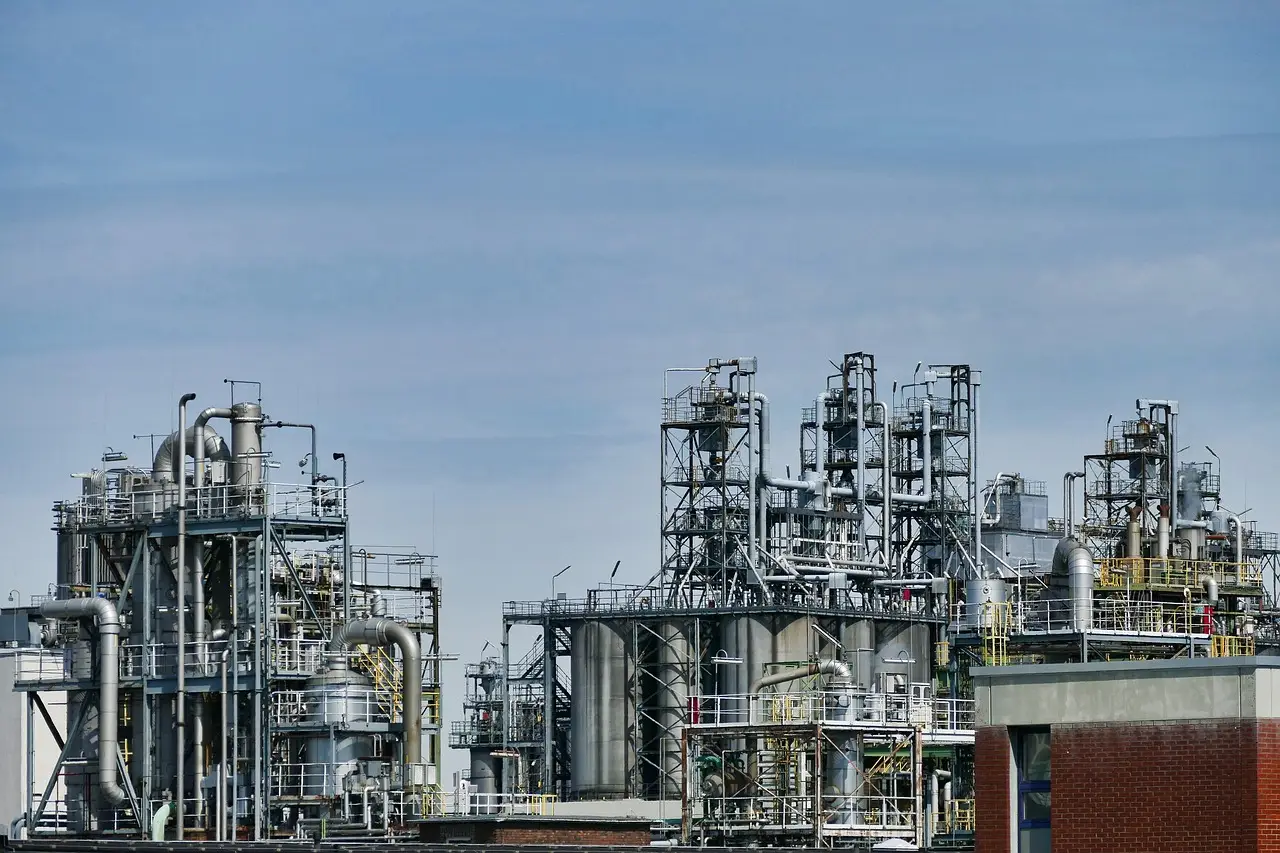
Austrian insect agriculture technology firm REPLOID has signed a nonbinding term sheet to acquire US-based Chapul Farms for approximately $12 million, a deal that could accelerate a commercial-scale black soldier fly larvae (BSFL, insects farmed to convert organic waste into protein, fat and fertilizer) facility in McMinnville, Oregon.
The proposed structure would give REPLOID 100% of Chapul through a combination of cash, newly issued shares and warrants, with a 90-day exclusivity period for due diligence. Because REPLOID is publicly traded on the Vienna Stock Exchange, it was required to announce the terms publicly — a point Chapul founder Pat Crowley was quick to contextualize.
"REPLOID is publicly traded so they had to announce the terms sheet signing publicly, but we are definitely still in diligence and there are a lot of potentials, non-binding, evaluation, and so on."
What does the deal change for Chapul's Oregon build?
Crowley said the combination would give Chapul access to proven rearing technology and speed up its planned facility. REPLOID operates a hub-and-spoke model in the EU, centralizing the more complex breeding and post-processing steps while deploying modular rearing systems at customer sites. It has also made several vertical investments into pet food and fertilizer brands in Europe.
"I think it is a design that will work well here in the US and the intent of the transaction is for our McMinnville site to become a Pacific Northwest hub, starting with a full size build instead of the previous phased approach since they have full systems currently in operation."
That marks a significant capital-strategy shift. Chapul had earlier paused plans for a large-scale BSFL facility alongside a corn ethanol plant in North Dakota after failing to secure a lead equity investor, and prioritized a smaller phased build at a former plastics plant in McMinnville to reduce upfront capital requirements and execution risk. The Oregon facility is designed to process landfill-diverted food waste combined with dry bakery waste, which helps control feedstock moisture. Access to REPLOID's operating systems could allow a full-scale build from the outset.
Crowley also addressed the North Dakota project directly: "We did not ditch the North Dakota project, just paused it and put it lower in the pipeline than our Oregon project. We are still in regular communication with North Dakota state officials and hope to get that project started in the future."
Who is REPLOID?
Founded in Austria in 2020, REPLOID develops modular insect-rearing facilities called ReFarmUnits that convert organic byproducts from the food industry into larvae, protein, fat and frass (insect excrement used as fertilizer). Customers in food processing and agriculture can use the larvae and byproducts themselves or sell them back to REPLOID for processing and marketing.
Listed on the Vienna Stock Exchange since July 2025, the company generated €37.9 million ($41 million) in revenues in 2025, up from €5.1 million ($5.5 million) in 2024 — growth driven primarily by its plant engineering business. It employs 190 people.
"North America is strategic growth market for REPLOID," the company said in a statement. "The acquisition would therefore represent a milestone in the company's growth trajectory."
Why the three-pillar model matters
Crowley argued that resilient insect farming businesses must balance multiple revenue streams rather than concentrate exclusively on protein output. "I have always viewed insect agriculture as having three pillars: waste management, protein/fat production, and frass production. If a model is designed to optimize for one, like many European protein-factory models, the other two suffer."
He noted Chapul has devoted significant resources to building frass markets and documenting its role in soil health, having identified it five years ago as one of the least developed segments.
The sector context is sobering: access to capital remains extremely challenging for US insect ag after multiple high-profile setbacks. Crowley acknowledged the deal is far from certain. "The roller-coaster we've been on has seen many sure-things not materialize for unforeseen reasons — so I take care to not count any of our neonates before they hatch."
via reploid.eu (Original)
More from Rebecca Stone
Show full bio
Market editor covering people, launches and day-to-day practice in Agribusiness coverage for industry professionals at Agribusiness Wire.
529 articles
Also in the yard
- Volare opens 5,000-ton insect protein plant in Pori on €15m budget
- Vive Crop Protection Wins EPA Registration for Bifender Duo
- PRIA 5 Fee Schedule Takes Effect for Pesticide Registration Applications
- American Vanguard Acquires Four Syngenta Crop-Protection Brands
- TRIC Robotics treats 1,500 strawberry acres with 15-robot fleet