Lot No. LOT-6341 · offered November 12, 2026
Ag Finance & InvestmentLot sheet
Farm income rises, but bankers see liquidity strain ahead
Banks report 60% to 80% farm profitability, yet lenders warn that row-crop liquidity and dependence on $55 billion in government payments could expose the next downturn.
Market notes
- Government distributed $55 billion in payments last year.
- The ABA’s 2026 Ag Lenders Survey found 60% profitability.
- First Dakota said 80% of customers made money last year.
- First Dakota’s all-time high in that customer measure was 93%.
- Government payments supported losing row-crop budgets for four years.
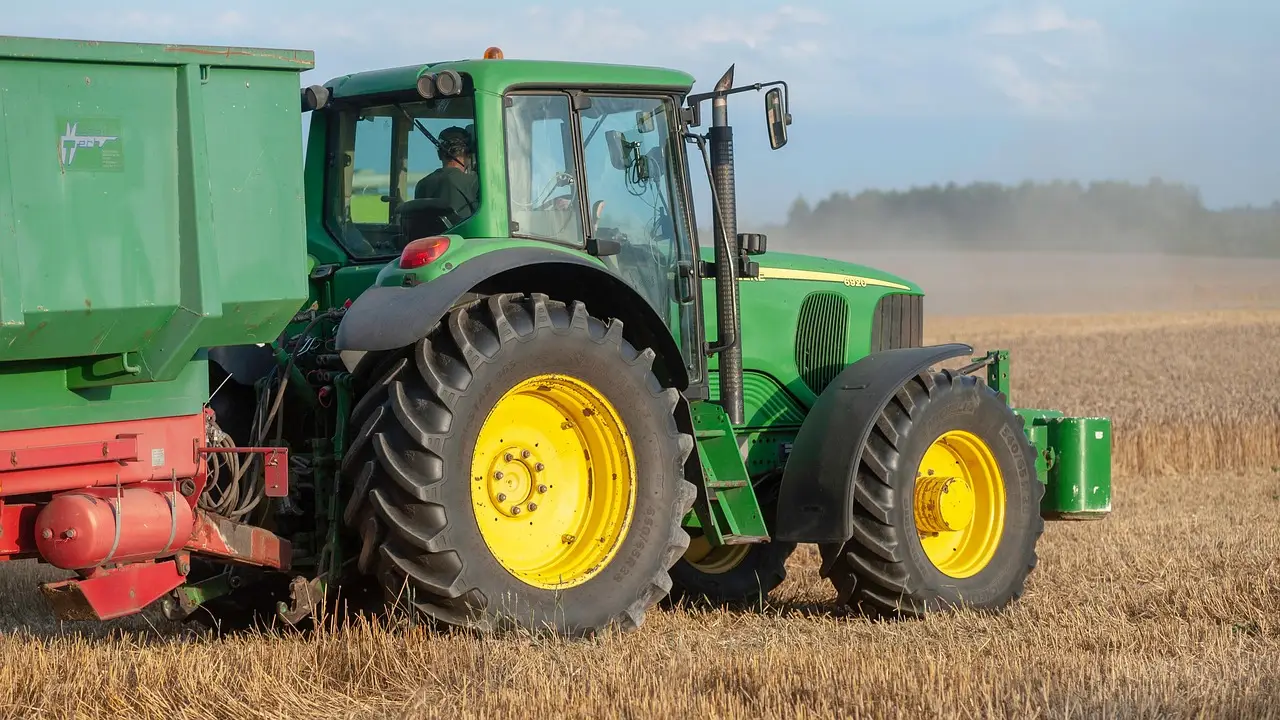
Government distributed $55 billion in payments last year, and many producers in Bell Bank’s portfolio saw their entire profit tied to government payments, ag banker Lynn Paulson said.
His warning contrasts with calm readings from the American Bankers Association, the federal government and a land-grant institution. Farm income is rising, grain prices rallied at harvest, and corn yields are generally good, although drought devastated some areas while other areas delivered comfortably high yields.
What do the headline numbers show?
At First Dakota National Bank, Nate Franzén, president of the ag banking division and the 2026 Bruning Award recipient, said 80% of the bank’s customers made money last year, a stronger result than the ABA’s 2026 Ag Lenders Survey.
The ABA survey found 60% profitability. Across two decades of First Dakota’s portfolio data, Franzén viewed 80% as strong. The bank’s all-time high in that customer measure was 93%, reached during the ethanol-fueled supercycle, he said.
The figures cover different populations and windows: ABA reports a 2026 lender survey, First Dakota cites two decades of its own customer data, and the $55 billion payment total covers last year.
Franzén said: “I think it feels worse than it is at this point... It could mean we’re feeling what’s coming. We’re feeling it, but we’re just not seeing the numbers yet.”
The ABA result likely includes what economists call a “bifurcated” agricultural economy: livestock operations are largely profitable while row-crop operations struggle. That split can make aggregate financial data look healthier than the condition of grain farmers.
Takeaway: Strong livestock earnings and better grain prices are masking pressure on row-crop balance sheets.
Why are lenders focused on liquidity?
Bell Bank’s Lynn Paulson, who appeared on this week’s episode of Ag Marketing IQ In Depth, put the central issue plainly: “All roads lead back to liquidity.”
Profitable operations typically accumulate working capital, giving them a cushion when prices or yields weaken. Producers with less liquidity face narrow choices:
- Refinance real estate.
- Shift debt.
- In the worst case, liquidate assets.
Government payments have propped up losing row-crop production budgets for four years, creating dependence on ad hoc allocations. That reliance can be financially dangerous. Paulson questioned whether producers can reasonably expect the support to continue; Franzén likewise asked whether they can depend on it.
Takeaway: The current cushion may come from government support rather than sustainable row-crop margins, so lenders want plans that assume no further support.
What should producers do now?
Both bankers urged producers not to wait for lagging annual numbers to confirm their unease. Franzén advised operators to sharpen their management skills, stress-test finances without government payments and determine whether debt payments remain manageable without public support.
Paulson urged farmers to take ownership of their financial performance and treat it as more than a once-a-year exercise with a bank. Improvement can come from accumulating manageable gains through better marketing, custom work or off-farm income rather than relying on one large fix.
That approach focuses on what farmers can control. Weather, geopolitics and Congress sit outside their control, Franzén said, but producers can bolster liquidity, prepare for setbacks and discuss every part of their plan with a lender.
Start with transparent conversations between farmers and lenders, consider every part of the plan and stress-test it. Paulson recommended developing a plan B if the year disappoints, then testing it before it is needed.
Neither banker offered a timetable for the next upturn. Paulson expects one, but said he does not know whether it will arrive in one year or two; his point is to remain solvent and in the game when conditions improve.
Takeaway: With financial numbers still trailing farmer concerns, borrowers must show they can meet debt service without another government transfer and preserve capacity for the next upturn.
via Farm Progress (Source)
More from Grace Kim
Show full bio
Correspondent covering people, launches and day-to-day practice in Agribusiness coverage for industry professionals at Agribusiness Wire.
501 articles
Also in the yard
- Bankers See 59% of Farm Borrowers Profitable in 2026 as Margins Thin
- USDA's 2025 Farm Program Payments Hit Record $13.8 Billion
- 60% of Ohio Farms Entered 2026 With Shrunk Cash Reserves
- Iowa Farmer Sees Turning Point in USDA Data Overhaul
- Liquidity Burn Hits Ohio Farms as Weather Whiplash Squeezes Margins