Lot No. LOT-9346 · offered September 29, 2026
Trade & ExportsLot sheet
New World Screwworm Complicates U.S.-Mexico Agricultural Trade Rebuild
New World screwworm sits at the heart of U.S.-Mexico agricultural trade talks, as both nations work to restore livestock and farm commerce disrupted by the pest.
Market notes
- New World screwworm, a wound-infesting fly larva, has re-emerged as a factor in U.S.-Mexico agricultural trade.
- The report links screwworm control directly to efforts to rebuild cross-border commerce, including live-cattle flows.
- Only the headline of the AGDAILY report was available; specific case counts, dates, and trade figures remain unverified.
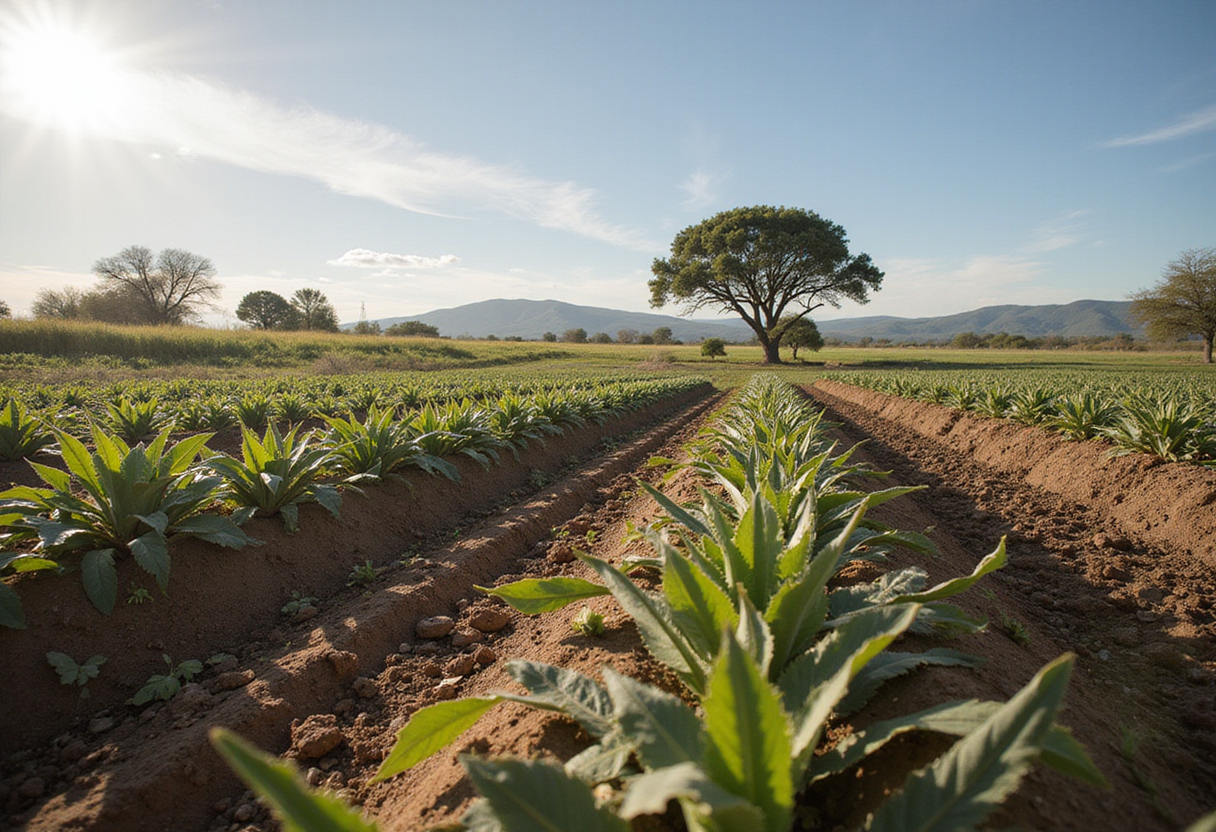
The New World screwworm has moved to the center of U.S.-Mexico agricultural trade discussions, as the two countries work to rebuild commercial channels that the pest has disrupted.
The title of the underlying report from AGDAILY frames the situation directly: "New World screwworm and the rebuilding of U.S.-Mexico agricultural trade." That pairing signals a dual storyline — a livestock parasite on one side and an ongoing effort to restore cross-border commerce on the other.
New World screwworm is a fly larva that infests open wounds in warm-blooded animals, including cattle. Historical U.S. eradication efforts relied on the sterile insect technique, a method that suppressed the pest across North and Central America in prior decades. Reappearances of the fly in Central America and southern Mexico in recent years prompted renewed control campaigns and border-related restrictions.
For cattle producers and feeders, screwworm outbreaks carry direct economic consequences: treatment costs, movement restrictions, and suspended live-animal trade. When the United States halts imports of Mexican cattle over screwworm detections, feedlot placements in the Plains and Northern Mexico's export-dependent ranching sector both feel the squeeze within weeks.
The rebuilding language in the report also points to the broader trade relationship. Mexico remains a top destination for U.S. corn, meat, dairy, and other farm goods, and livestock flows move in the other direction. Any pest-driven disruption to one channel tends to ripple through the others, affecting basis, input planning, and exporter margins on both sides of the border.
Because the source material available for this item consists of the headline and publication attribution only, Agribusiness Wire cannot yet verify specific case counts, affected states, suspension dates, or trade figures. Readers should treat any numeric claims circulating alongside this story as unconfirmed until checked against USDA Animal and Plant Health Inspection Service reporting and Mexican agricultural health authority (SENASICA) bulletins, which publish detection and movement-control data on defined reporting windows.
Agribusiness Wire will update this story as verified details on detections, trade actions, and eradication spending become available.
via Google News: Agricultural trade (Source)
More from Marcus Bennett
Show full bio
Senior reporter covering marketplaces and e-commerce at Agribusiness Wire.
127 articles
Also in the yard
- Mating Reshapes Screwworm Chemistry, Opening New Control Leads
- Santa Teresa Cattle Crossing Reopens After 16-Month Screwworm Shutdown
- USMCA Farm Exports at Risk as US-Mexico Trade Talks Resume
- Challenge 250: New Crop Protection Initiative Targets Invasive Pests
- China and US Move Toward Farm Tariff Cuts in Major Win for Agricultural Trade