Lot No. LOT-3342 · offered September 29, 2026
Trade & ExportsLot sheet
USMCA Farm Exports at Risk as US-Mexico Trade Talks Resume
US farm exports to Mexico under USMCA face renewed risk as Washington and Mexico City resume trade talks, with pork, corn and dairy interests watching for changes.
Market notes
- US-Mexico trade talks have resumed, putting USMCA farm exports at risk.
- Mexico is a top destination for US agricultural products, supporting domestic basis and export demand.
- Pork, corn, dairy and grain sectors face direct exposure if USMCA tariff treatment or import protocols change.
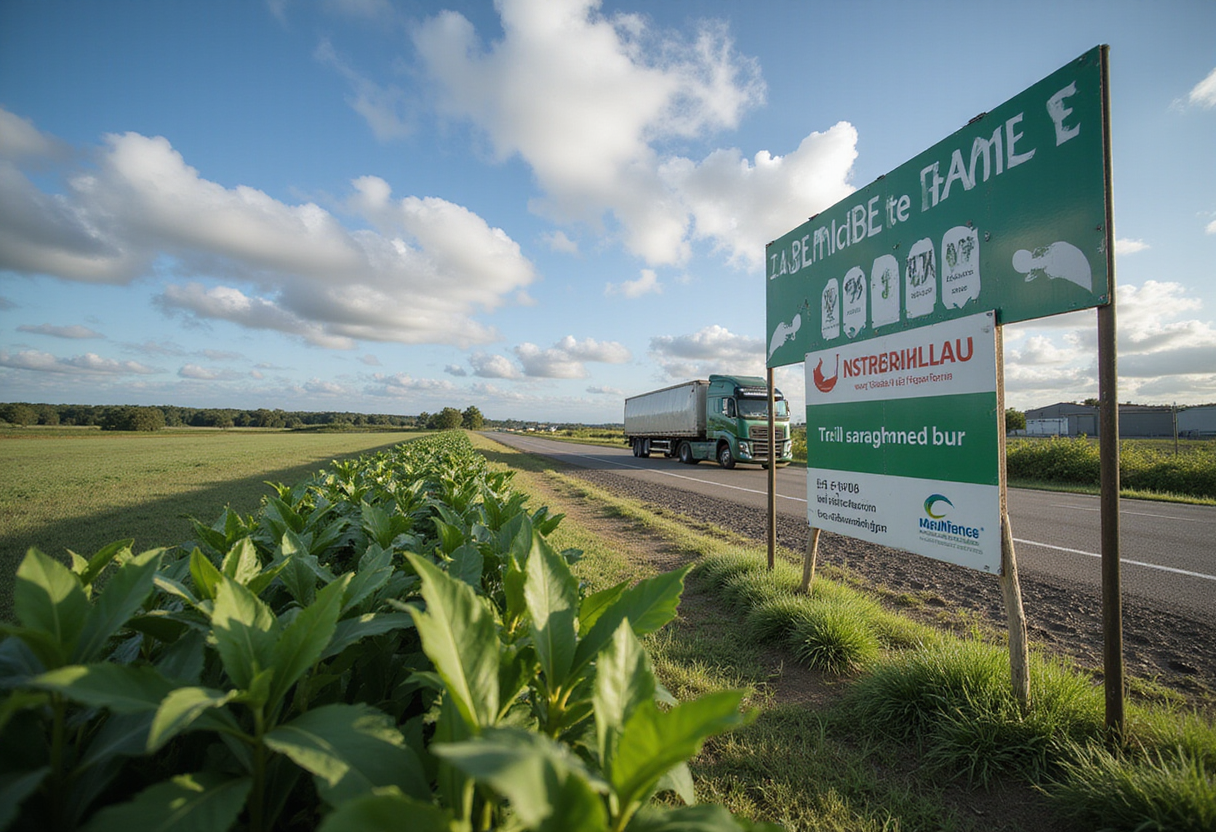
US farm exports to Mexico under the USMCA framework face renewed risk as trade talks between Washington and Mexico City resume, according to a report from The Pig Site.
The negotiations reopen questions about the stability of agricultural trade flows between the two countries at a time when US producers are already managing tight margins and elevated input costs. Mexico ranks among the top destinations for US agricultural products, and any disruption to tariff treatment or import protocols under USMCA would ripple through commodity basis and export demand for row crops, livestock products, and processed goods.
The report does not detail specific concessions on the table or a negotiating timeline, but the resumption of talks follows a period of friction over trade measures that have affected agricultural goods. Producers and exporters in sectors tied to the Mexican market — including pork, dairy, corn, and grain interests — will be watching whether the discussions produce changes to duties, sanitary rules, or import licensing arrangements.
For growers and cooperatives shipping south of the border, the stakes are direct. Export volumes to Mexico support domestic basis levels and help absorb supplies in years of large production. Any rollback of preferential USMCA access, or retaliation from Mexico City, would compress margins already squeezed by fertilizer, fuel, and labor costs.
Livestock-sector participants have particular exposure. Pork producers, who have built significant market share in Mexico over the USMCA era, could see shipments slowed if negotiators fail to resolve outstanding disputes. Feed demand links the livestock outlook to corn and sorghum growers, meaning a trade disruption would transmit beyond the exporters directly involved.
Market participants typically treat condition reports and negotiating positions as preliminary signals rather than settled outcomes. Actual trade flows, customs data, and monthly export inspections will provide the verifiable read on whether the resumed talks alter commercial behavior — and analysts will be checking those figures against the rhetoric emerging from both capitals.
The next rounds of negotiation will determine whether USMCA's agricultural provisions hold their current form or enter a renegotiation phase that exporters would need to price into forward sales and hedging decisions.
via Google News: Agricultural trade (Source)
More from Marcus Bennett
Show full bio
Senior reporter covering marketplaces and e-commerce at Agribusiness Wire.
127 articles
Also in the yard
- USMCA Review Aims to Strengthen U.S. Farm Exports
- U.S.-China Trade Deals Could Lift Farm Exports and Ease Tensions
- US Agricultural Trade Deficit Narrows as Exports Gain Ground
- China and Mexico Demand Fuels Optimism for Grain Markets
- China and US Move Toward Farm Tariff Cuts in Major Win for Agricultural Trade