Lot No. LOT-7931 · offered September 29, 2026
Seeds, Crop Protection & FertilizerLot sheet
Mating Reshapes Screwworm Chemistry, Opening New Control Leads
UK and USDA researchers found mating reshapes cuticular hydrocarbons in screwworm flies, pointing toward better monitoring, sterile-insect evaluation and control tools for livestock producers.
Market notes
- Mating significantly altered cuticular hydrocarbon profiles in New World screwworm flies, with the strongest shifts in females, across 21 major hydrocarbon peaks analyzed.
- USDA confirmed the first U.S. animal case of the current outbreak — a calf in Zavala County, Texas — in June 2026; CDC rates current U.S. risk to people and animals as very low.
- The U.S. eradicated New World screwworm in 1966 using sterile insect technique, and stopped a smaller Florida Keys outbreak in 2017; Syed received a seed grant to develop screwworm traps.
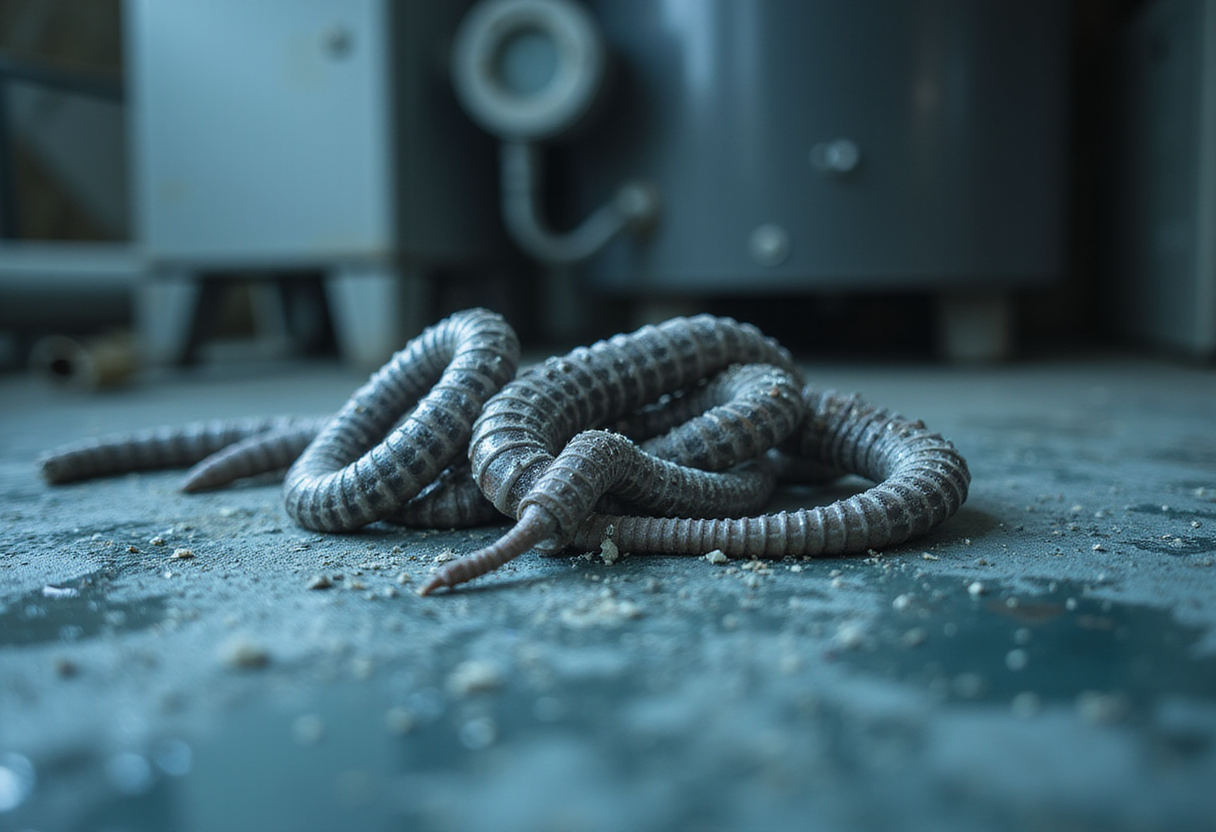
Mating significantly alters the chemical coating of New World screwworm flies, with the strongest shifts in females, according to researchers at the University of Kentucky Martin-Gatton College of Agriculture, Food and Environment and the U.S. Department of Agriculture. The finding, published in the Journal of Medical Entomology, gives scientists a new handle on how the parasite recognizes mates — and potentially how to monitor and control an outbreak that reached a calf in Zavala County, Texas, in June 2026, the first U.S. animal case of the current episode.
New World screwworms, Cochliomyia hominivorax, are not worms but the larvae of a parasitic fly. Female flies lay eggs in open wounds or natural body openings of cattle, horses, pets, wildlife and other warm-blooded animals. The larvae burrow into living tissue and feed.
"The larvae then burrow into living tissue and feed, causing painful wounds that can lead to serious infections or death if the infestation is not treated," said Zain Syed, Ph.D., an associate professor in the Department of Entomology who led the study.
The stakes for livestock producers are well established. The U.S. eradicated the pest in 1966 through a program that raised and sterilized screwworm flies before releasing them into affected areas. Sterile males mated with wild females, the females produced eggs that did not hatch, and repeated releases drove the wild population down. The program pushed the pest south through Mexico and Central America, and a biological barrier of sterile flies in Panama has kept screwworms from reinvading eliminated zones. The U.S. also stopped a smaller outbreak in the Florida Keys in 2017. The pest has since returned to parts of Central America and Mexico.
Although the Centers for Disease Control & Prevention rates the current risk to people and animals in the U.S. as very low, the outbreak has sharpened the need for dependable detection and control methods.
The study examined chemicals on the surface of adult screwworm flies — waxy substances called cuticular hydrocarbons that protect insects from drying out and can carry information about species, sex, age or reproductive condition. The analysis focused on 21 major hydrocarbon peaks that accounted for most of the chemical signal.
"We found that males and females carry many of the same hydrocarbons, but in distinctly different proportions," Syed said. "Mating further reshaped these chemical profiles, particularly in females."
Males carried larger proportions of lower-molecular-weight hydrocarbons; females carried larger proportions of longer-chain compounds. Many of the most-changed compounds after mating were branched hydrocarbons — chemicals that play roles in mate recognition and reproductive communication in other insect species. The researchers did not test whether individual compounds changed screwworm behavior, so more work is needed to determine what messages, if any, the chemicals carry.
The findings may help explain why female New World screwworm flies generally mate only once. Changes in their chemical profiles after mating may signal that they have already reproduced and discourage further courtship.
That mechanism matters directly for the sterile insect technique now anchoring regional control. The method depends on laboratory-raised sterile males competing with wild males and successfully mating with wild females. Chemical profiles could eventually help scientists study mate recognition, evaluate the reproductive condition of flies, or compare laboratory colonies with wild populations.
Federal and state agencies continue to monitor the outbreak and prepare for additional detections. USDA advises animal owners to inspect wounds, watch for enlarging or foul-smelling sores, and contact a veterinarian if they suspect New World screwworm.
The chemical patterns do not offer an immediate field solution. They do add a piece to the understanding of how screwworm flies communicate and reproduce, knowledge that could guide future tools to protect livestock, wildlife, pets and people.
"The exciting next step is to determine whether screwworm flies detect these chemical changes and whether they influence subsequent courtship and mating," Syed said. "That knowledge could eventually contribute to better monitoring and control tools."
Syed recently received a seed grant from the University of Kentucky's One Health Initiative and the Martin-Gatton CAFE research office to continue New World screwworm trap development.
via eu-images.contentstack.com (Original)
More from Nathan Brooks
Show full bio
Staff writer covering marketplaces and e-commerce at Agribusiness Wire.
173 articles
Also in the yard
- New World Screwworm Complicates U.S.-Mexico Agricultural Trade Rebuild
- Santa Teresa Cattle Crossing Reopens After 16-Month Screwworm Shutdown
- Dectes Stem Borer Confirmed in Mid-Michigan Soybean Fields
- New Method Aims to Decode Insect Sexual Communication for Crop Protection
- First 2026 Tar Spot Cases Confirmed in Pennsylvania Corn