Lot No. LOT-9570 · offered September 26, 2026
Trade & ExportsLot sheet
Santa Teresa Cattle Crossing Reopens After 16-Month Screwworm Shutdown
Santa Teresa reopened Sept. 24 after 16 months closed over New World screwworm, restoring a crossing that moves 500,000 head and $1.2B-$1.4B in annual trade.
Market notes
- Santa Teresa resumed operations Sept. 24 with 400+ head crossing after a 16-month NWS-related closure.
- The port handles about 500,000 head and $1.2B-$1.4B in annual trade, over 43% of Mexican cattle imports.
- USDA's COPEG facility in Panama produces 100 million sterile flies weekly; two active NWS cases remain in the U.S.
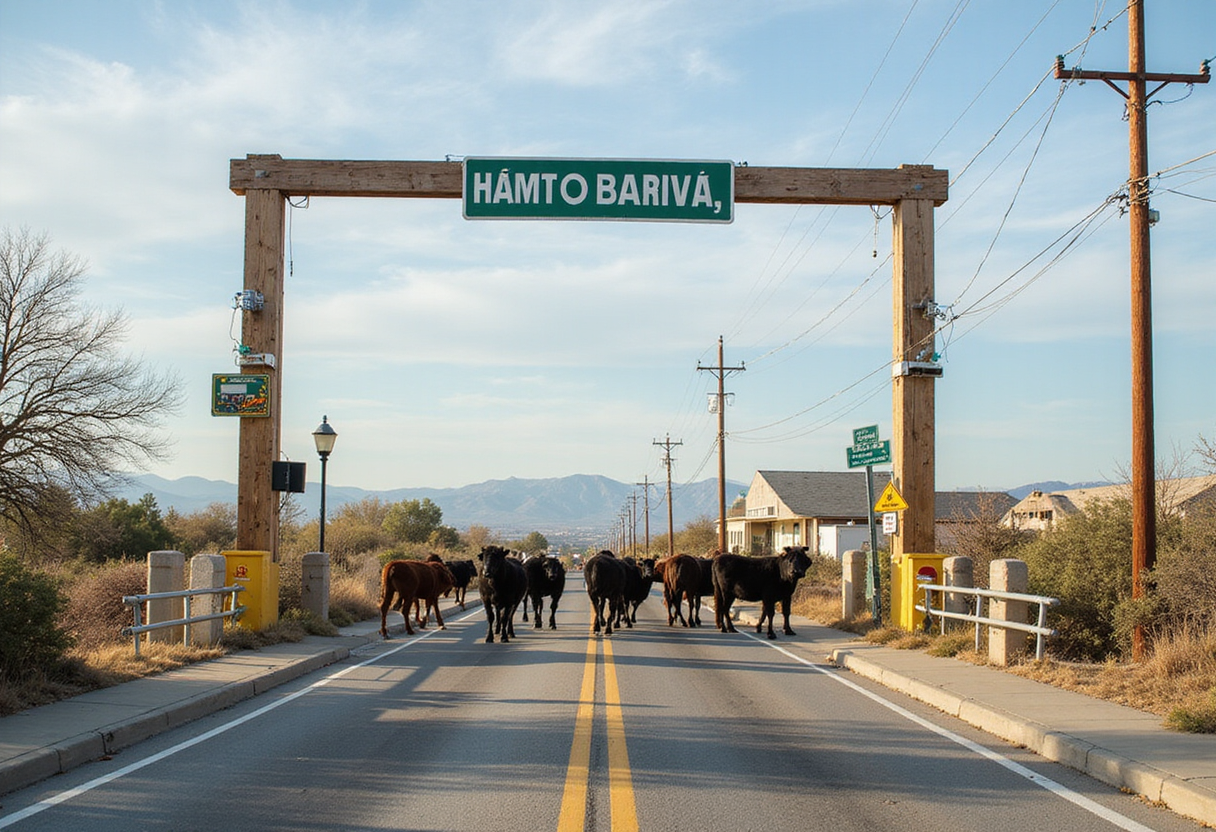
More than 400 head of cattle moved through the Santa Teresa Livestock Crossing on Sept. 24, reopening a trade channel worth an estimated $1.2 billion to $1.4 billion annually after a 16-month closure triggered by New World screwworm detections near the U.S.-Mexico border.
The port, located in New Mexico, typically handles roughly 500,000 head of cattle per year. USDA officials have previously said Santa Teresa accounted for more than 43% of Mexican cattle imports into the U.S. over the preceding five years, making it one of the highest-volume cattle crossings on the border.
The United States halted operations at the crossing in May 2025 after cases of NWS were detected near the border. The parasite infests warm-blooded animals, with larvae feeding on tissue around open wounds or sores.
USDA Undersecretary Dudley Hoskins visited the crossing as the gates reopened. He credited safeguards developed during the closure — animal treatments, inspections and additional protocols — with providing the basis for resuming cattle movements.
"Over the last year and a half, we have been working hand-in-glove with our partners in SENASICA in Mexico, the producer community," Hoskins said.
The Food and Drug Administration has approved 12 to 15 products for use across different animals and species since the closure began, according to Hoskins. He described those treatments as a central component of the strategy for managing NWS risk.
USDA had already tested the system at another port. The agency reopened the livestock crossing in Douglas, Arizona, on Aug. 24, and roughly 5,000 head of livestock have since moved through that facility.
"We've been processing cattle through that port; our inspectors have been checking all the paperwork, the process, the protocols, the detector dogs, that entire system," Hoskins said. "We've been scrutinizing it daily since the Douglas port was reopened."
That operating record, he said, gave USDA confidence to reopen Santa Teresa while maintaining the additional safeguards. New Mexico State Veterinarian Samantha Holeck said the enhanced measures were critical to resuming cattle imports into the state.
"We have great confidence in the cattle that are entering," Holeck said. "From Mexico, the treatment, the inspection, the level of security that we have on how those cattle are being brought into this country is tremendous."
Officials plan to ramp up volumes gradually at Santa Teresa while keeping strict biosecurity protocols in place.
Sterile fly releases remain part of the federal response. USDA's COPEG sterile fly production facility in Panama is turning out 100 million sterile flies per week, Hoskins said, with distribution in Texas, New Mexico and other regions guided by modeling and data on where the insects can be deployed most effectively.
USDA tracking data cited by officials currently lists two active NWS cases in the U.S. — one in Texas and another in Grant County, New Mexico.
Federal, state and Mexican authorities will continue enhanced treatment, inspection and monitoring procedures as livestock traffic resumes through the border's highest-volume cattle gateway.
via High Plains Journal (Source)
More from Marcus Bennett
Show full bio
Senior reporter covering marketplaces and e-commerce at Agribusiness Wire.
127 articles
Also in the yard
- New World Screwworm Complicates U.S.-Mexico Agricultural Trade Rebuild
- USMCA Farm Exports at Risk as US-Mexico Trade Talks Resume
- USDA Puts $630 Million Behind Small Meat Processors
- USDA Commits $50 Million to Strengthen State Meat Inspection Programs
- ICE Operations in Southwest Kansas Delay Fed Cattle Shipments, Industry Groups Say