Lot No. LOT-8511 · offered September 29, 2026
Agricultural PolicyLot sheet
California Safety Rules Slow Driverless Equipment in Mendocino Vineyards
California workplace safety rules are blocking driverless farm equipment from working Mendocino County vineyards, leaving growers waiting on compliance pathways.
Market notes
- California safety rules are impeding deployment of driverless farm equipment in Mendocino County vineyards.
- State workplace safety requirements govern how autonomous machinery can operate without an on-board operator.
- Growers continue relying on staffed equipment until regulators and manufacturers resolve the compliance pathway.
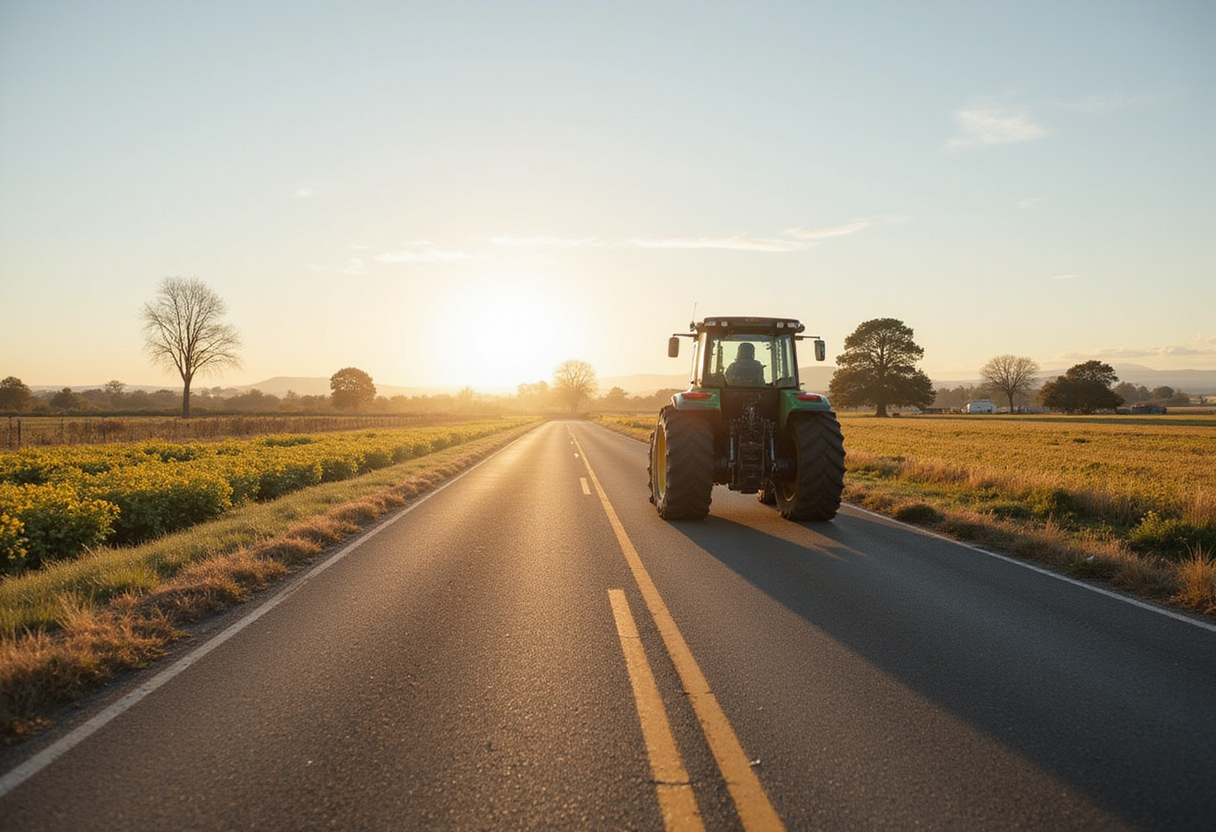
Driverless farm equipment has hit a regulatory wall in Mendocino County's vineyards, where California workplace safety rules are blocking or delaying the rollout of autonomous machinery, Local News Matters reports.
The standoff matters for winegrape growers in a North Coast region where labor costs and availability shape margins season after season. Autonomous tractors, sprayers and mowers promise to cut labor hours in vineyard rows, but state safety requirements apply to equipment operating without an operator on board, and compliance remains the gating factor for deployment in Mendocino.
California's workplace safety apparatus treats driverless machinery differently from conventional equipment. Rules written with human operators in mind — covering oversight, emergency response and worker proximity — now govern how, or whether, autonomous units can work commercial acreage. For vineyard managers, that means the technology's availability on the market and its legality in the field are two separate questions.
Mendocino County sits north of Sonoma and Napa in the state's wine country, and its growers face the same labor and cost pressures driving automation across California specialty crops. The tension between available autonomous equipment and state safety oversight leaves growers waiting on clarification or compliance pathways before the machines can run production blocks.
The practical effect: growers who might otherwise adopt driverless platforms to manage vineyard operations continue to rely on staffed equipment or manual labor, keeping a lid on potential labor savings until regulators and manufacturers resolve how the machines satisfy California's safety framework.
How state regulators and equipment makers close that gap will determine whether autonomous machinery reaches commercial vineyard acreage in Mendocino in coming seasons, or remains parked by procedural constraint.
via Google News: Farm equipment (Source)
More from Rebecca Stone
Show full bio
Market editor covering industry trends and analytics at Agribusiness Wire.
135 articles
Also in the yard
- Arkansas Urges Drivers to Watch for Farm Equipment During Harvest
- Illinois State Police Call for Caution as Farm Equipment Hits Roads for Harvest
- MnDOT Urges Caution as Farm Equipment Hits Minnesota Roads for Harvest
- Fall Harvest Puts Farm Equipment on Wiregrass Roads
- Bipartisan Bill Targets Precision Agriculture Gaps in Nebraska, Colorado