Lot No. LOT-4930 · offered November 6, 2026
Agricultural PolicyLot sheet
High Plains Election Results Signal Trouble for Tariff-Backed Farm Policy
Nov. 3 election losses in Kansas and Iowa signal High Plains frustration over fuel, input costs and tariffs that sidelined China's soybean and sorghum buying.
Market notes
- On Nov. 3, Kansas Republican Sen. Roger Marshall lost to Democrat Adam Hamilton.
- Iowa Democrat Josh Turek defeated Rep. Ashley Hinson for the Senate seat of retiring Agriculture Committee member Joni Ernst.
- China largely passed on buying U.S. soybeans and sorghum despite announced trade deals.
- High Plains voters cited high fuel bills, input costs and unheard concerns; data centers raised landowner-rights worries.
- Farm Bill 2.0 is hoped to pass by end of year with new members joining both agriculture committees.
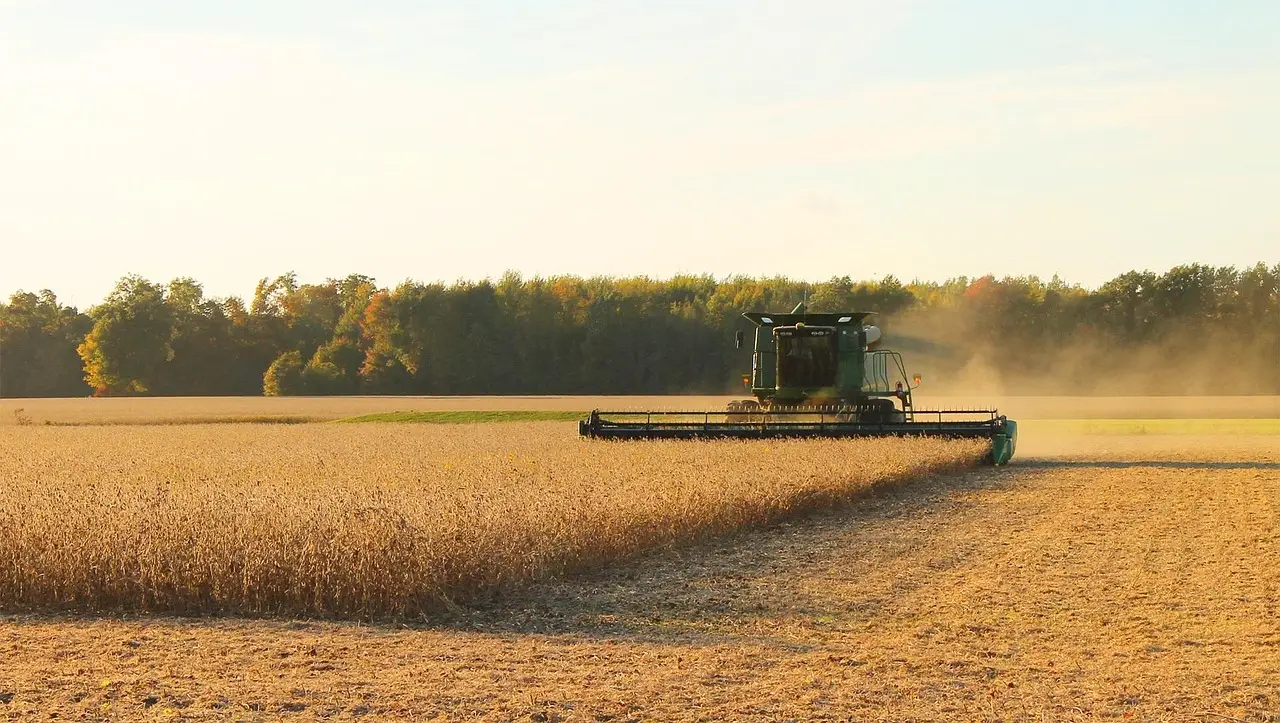
The Nov. 3 election cost Republicans a Senate seat in Kansas, where incumbent U.S. Sen. Roger Marshall lost to Democratic challenger Adam Hamilton — a result High Plains Journal's Dave Bergmeier reads as rural voters running out of patience with the status quo.
The second upset came in Iowa. State Representative Josh Turek, a Democrat, defeated Republican U.S. Rep. Ashley Hinson for the Senate seat being vacated by Joni Ernst, a member of the Senate Agriculture Committee. Two incumbents' allies defeated in farm-heavy states within one night is the kind of datum that usually signals deeper friction beneath the surface.
What drove rural voters?
Bergmeier points to concrete pressures on farm margins. High Plains voters were frustrated with high fuel bills and rising input costs, and, in his words, "maybe most notably, the feeling their concerns were not being heard." That feeling, not a single policy line, is what he says moved ballots.
One flashpoint was the prospect of data centers spreading across rural landscapes, which raised concerns about private property and landowner rights — an issue that sits directly on the boundary between economic development and what farmers consider their ground.
How much did trade anger matter?
President Donald Trump asked voters to act as if he were on the ballot. Bergmeier's assessment: "Americans saw it otherwise, including the High Plains."
His bill of particulars is trade-heavy. Tariffs, he writes, imposed higher costs on farmers and the industries that serve them and interfered with markets. Ranchers were upset when the administration allowed beef imports. And announcements of trade deals rang hollow, he argues, because China largely passed on buying U.S. soybeans and sorghum — the crops at the center of High Plains row-crop economics.
The criticism is not blanket. High Plains agricultural interests, Bergmeier notes, supported some tariffs aimed at adversaries and at countries that had effectively excluded U.S. products. The friction point was the administration singling out Canada and, to a lesser degree, Mexico — two of the top trading partners for the region's farm economy.
What happens to the farm bill?
The election leaves a significant number of new members set to join the House and Senate agriculture committees. Bergmeier's hope is that the groundwork is in place for "Farm Bill 2.0" to win approval by the end of the year, giving committee members who logged long hours in hearings a sense of relief by Christmas.
That timeline deserves a caveat of its own. Leaders in both parties credit the agriculture committees with demonstrating bipartisanship and compromise, but Bergmeier concedes today's environment makes that harder. A lame-duck window, new committee rosters and two fresh Senate losses for the majority's rivals-turned-partners all argue against assuming a quick deal.
What is the bottom line?
Bergmeier closes with a warning aimed at both parties: voters demonstrated they were in no mood for complacency, and they want more voices heard, including those of farmers and ranchers concerned with the country's direction. "There will be a brief reprieve," he writes, "but constituents demonstrated they were not in no mood" — his actual phrasing is that they "were in no mood for complacency."
His final verdict is only three words: "Time will tell." For farmers watching basis, input invoices and the farm bill calendar, that is the operative forecast — and, as with any forecast, the harvested result may differ.
via High Plains Journal (Source)
More from Olivia Hart
Show full bio
News editor covering technology and product news in Agribusiness coverage for industry professionals at Agribusiness Wire.
479 articles
Also in the yard
- Democratic farm-state wins put agriculture policy in play
- Democrats Sweep Congress; US Soybean Costs Hit $616 an Acre
- Democrats Take House and Senate, Overhauling Ag Leadership on Capitol Hill
- Farm States Hand Democrats Congress, Rerouting Farm Bill and Trade
- Nearly 75% of Ag Lenders See Falling Farm Profitability in 2026