Lot No. LOT-2704 · offered November 4, 2026
Agricultural PolicyLot sheet
Democrats Sweep Congress; US Soybean Costs Hit $616 an Acre
Democrats took the House and Senate Tuesday, while farmdoc daily shows US soybean costs at $616 an acre versus Brazil's $416 — a $200 gap with policy consequences.
Market notes
- US soybean producers spent $616 per acre on average versus $416 in Brazil, per a Nov. 2 farmdoc daily report
- Democrats flipped the House and eight Senate seats, including Senate Ag member Roger Marshall's in Kansas
- Brazil holds 42% of global soybean production in 2025/26; the US holds 27%
- Senate Ag nominations hearing set for Nov. 10 at 10:30 a.m., covering Greg Ibach and three Farm Credit Administration nominees
- 474 groups ask Congress to retroactively restore the Work Opportunity Tax Credit, worth up to $9,600 per hire
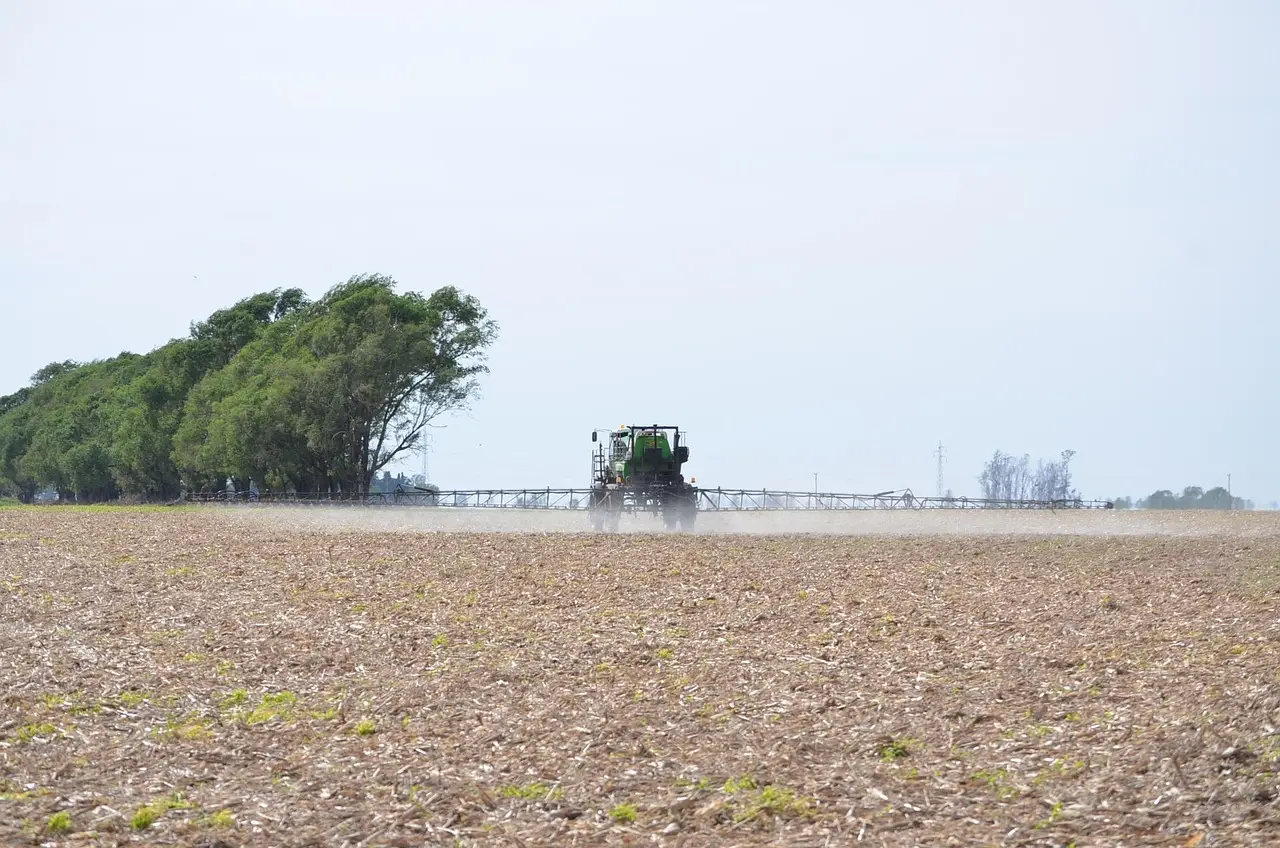
U.S. soybean producers spent an average of $616 per acre this season against $416 for their Brazilian competitors, a $200-per-acre gap laid out in a Nov. 2 farmdoc daily report — and Tuesday's election just rewrote the Washington audience that will hear farmers' complaints about it.
Democrats flipped both chambers. They took Senate seats in North Carolina, South Carolina, Iowa, Ohio, Texas, Kansas, Maine and Michigan, and claimed the House. The ag-policy consequences start with committee rosters.
Former North Carolina Gov. Roy Cooper defeated Republican Michael Whatley. South Carolina elected a woman to the Senate for the first time: Annie Andrews beat Darline Graham — sister of the late Sen. Lindsey Graham and backed by President Donald Trump. In Kansas, Senate Ag Committee member Roger Marshall lost to Adam Hamilton, a Methodist pastor who becomes the state's first Democratic senator in nearly a century. Iowa state Rep. Josh Turek beat Rep. Ashley Hinson.
Sherrod Brown reclaimed Ohio's Senate seat from incumbent Jon Husted. Brown could chair the Senate Agriculture Committee — a post that would put him at the center of the next farm-bill fight.
Texas delivered the night's widest margin. State lawmaker James Talarico crushed Attorney General Ken Paxton, leading by 10 points with 77% of the vote counted at midnight. State Rep. Gina Hinojosa ended Greg Abbott's 12-year run as governor. Maine's Susan Collins lost to state legislator Troy Jackson; Abdul El-Sayed beat Rep. Mike Rogers in Michigan.
Two House results matter directly for agriculture. Jamie Ager, a fourth-generation farmer and Democrat, won a western North Carolina district that has long sent conservatives like Mark Meadows to Congress. House Ag Committee member Shomari Figures of Alabama survived redistricting to keep his seat.
Atlanta's former mayor Keisha Lance Bottoms beat healthcare staffing executive Rick Jackson, becoming the first Black woman elected governor in the U.S.
"The voters want change," Jessica Taylor, Senate and governors editor for the Cook Political Report with Amy Walter, said on C-SPAN. She also called the mood "a pox on both their houses."
What does the input-cost gap mean?
The farmdoc daily breakdown shows the U.S. advantage isn't uniform. U.S. seed runs $66 per acre versus $43 in Brazil. But Brazil pays $85 per acre for fertilizer — against $57 here — because its acidic, nutrient-poor Cerrado soils demand heavier applications, and tropical pests push its pesticide, fungicide and insecticide spending higher too.
The competitive math is stark. Brazil and the U.S. will produce almost 70% of the world's soybeans in 2025/26, with Brazil at 42% and the U.S. at 27%. Brazil displaced the U.S. as China's go-to supplier after Trump's first-term trade war. The September 2026 Purdue University–CME Group Ag Economy Barometer found 80% of U.S. producers concerned or very concerned about Brazilian competition.
Senate Ag hearing set for Nov. 10
Committee Chair John Boozman, R-Ark., and Ranking Member Amy Klobuchar, D-Minn., will convene a nominations hearing Tuesday, Nov. 10, at 10:30 a.m. in the Dirksen Senate Office Building. Pending: Greg Ibach's nomination as undersecretary for trade and foreign agricultural affairs, plus three Farm Credit Administration Board picks.
Will Congress restore the hiring credit?
FMI-The Food Industry Association and 473 other organizations want the Work Opportunity Tax Credit extended retroactively to Jan. 1, 2026. The credit — worth up to $9,600 per qualified hire, covering veterans, SNAP recipients, formerly incarcerated people and the long-term unemployed — expired Dec. 31, 2025.
WOTC is a "key workforce-building tool," said Christine Pollack, FMI's vice president of government relations, calling it "an important investment in connecting job seekers with meaningful employment."
Precedent favors action. In 2015, Congress restored the credit to Jan. 1 of that year after a 2014 lapse. Employers have kept hiring eligible workers during the current gap, FMI said, so a retroactive fix would let them claim the credit anyway. FMI and the Critical Labor Coalition also back the Improve and Enhance the Work Opportunity Tax Credit Act (H.R. 6231/S. 3265).
President Trump, in a New York Times interview late on election night, said: "We'll, you know, look forward to working with them. We'll probably work something out," adding he was "absolutely willing" to accept the results.
With new Senate leadership settling in and a Brown chairmanship possible, watch whether the Nov. 10 hearing proceeds as scheduled — or gets recalibrated once the new majority organizes the committee.
via fmi.org (Original)
More from Nathan Brooks
Show full bio
Staff writer covering regulation, policy and their impact on Agribusiness coverage for industry professionals at Agribusiness Wire.
528 articles
Also in the yard
- Farm States Hand Democrats Congress, Rerouting Farm Bill and Trade
- Senate Ag Panel Faces Major Reshuffle as Kansas, Iowa Races Tighten
- Ossoff Holds Georgia Senate Seat, First Major Democratic Win of Election Night
- Brown Launches Bid for House Ag Committee Top Democratic Post
- Boozman Optimistic on Farm Bill Path, Eyes Post-Election Vote