Lot No. LOT-4612 · offered September 29, 2026
Commodity MarketsLot sheet
Grain Prices Slid Fast After Spring's Rally — Here's the Mechanics
Spring's weather-driven rally in grain prices unwound within weeks as crop conditions held, squeezing growers who waited to price new-crop bushels.
Market notes
- Grain futures rallied in spring on weather and planting-delay risk, then fell back quickly once crop conditions held steady.
- Growers who forward-priced during the spring peak captured the rally; those who waited face cash bids below spring board levels against locked-in input costs.
- The correction reflected funds unwinding weather-risk length — no bearish supply surprise was required to erase the premium.
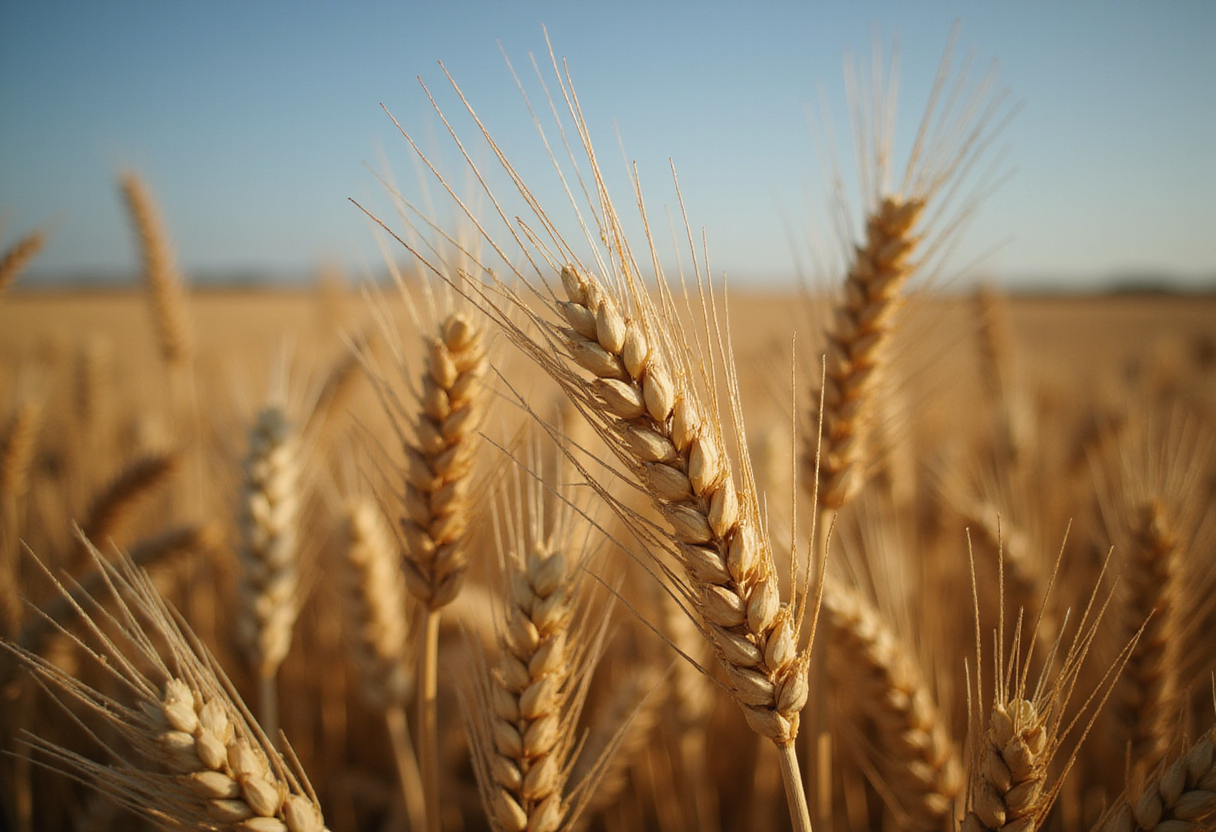
Grain prices that rallied hard this spring gave back their gains in a matter of weeks, leaving growers staring at basis levels and cash bids that look little like the board prices locked in during planting season.
The reversal itself is not in dispute. Corn, soybean and wheat contracts climbed through spring on weather scares and planting-delay headlines, then fell back quickly once those risks failed to translate into lost bushels. The pace of the decline — faster than many position sheets anticipated — is the story farmers and their lenders are now reconciling with hedging records from March and April.
Spring rallies built on weather risk share a common structural weakness: they price a problem that may never materialize. When crop condition reports through June and July held steady, and projected acreage stayed on the books, the risk premium came out of the market in a hurry. Traders who had bid up contracts against a supply shock unwound those positions once survey data and field reports suggested trend-line yields remained in play.
That dynamic matters directly for farm margins. Growers who forward-priced new-crop bushels during the spring peak captured the rally. Those who waited — betting on a repeat of prior years' summer weather markets — face cash bids that now sit well below spring levels, with input costs already locked in at prices set against the earlier, stronger board.
Basis tells part of the story too. Futures declines of this speed typically ripple through local elevators with a lag, and the spread between board price and cash offer widens or narrows depending on elevator space, rail movement and harvest logistics in each region. Producers marketing grain in the weeks after the break saw the double hit: a lower futures market and basis that had not yet recovered.
For the marketing plan, the episode is a reminder that condition reports and forecasts are not harvested results. Spring weather headlines moved prices; summer actuals moved them back. The gap between those two categories of information — one speculative, one concrete — is where both gains and losses were made this year.
Analysts following the move point to the standard playbook of post-rally corrections: funds exiting length once the weather narrative faded, improved crop ratings, and the weight of projected supply coming to market at harvest. None of these forces required a bearish surprise; the absence of a bullish one was enough to unwind the premium.
Growers with unpriced grain now face the question of whether harvest-time pressure offers another leg down or whether demand — exports, feed use, crush margins — provides a floor. That answer will arrive with the combine, in the form of actual yields and actual bushels, rather than with another forecast.
via Google News: Grain prices (Source)
More from Nathan Brooks
Show full bio
Staff writer covering marketplaces and e-commerce at Agribusiness Wire.
173 articles