Lot No. LOT-5795 · offered September 26, 2026
Commodity MarketsLot sheet
Grain Futures Tumble as Traders Shrug Off Heatwave Risk
Grain futures fell sharply as traders accelerated a massive selloff and ignored heatwave stress, pressuring cash prices and grower margins ahead of harvest.
Market notes
- Grain markets tumbled as traders accelerated a massive selloff this week.
- Traders largely ignored heatwave conditions that would normally support prices during the growing season.
- The report provides no specific contract settlements, volumes or affected regions; direction of the move is the confirmed fact.
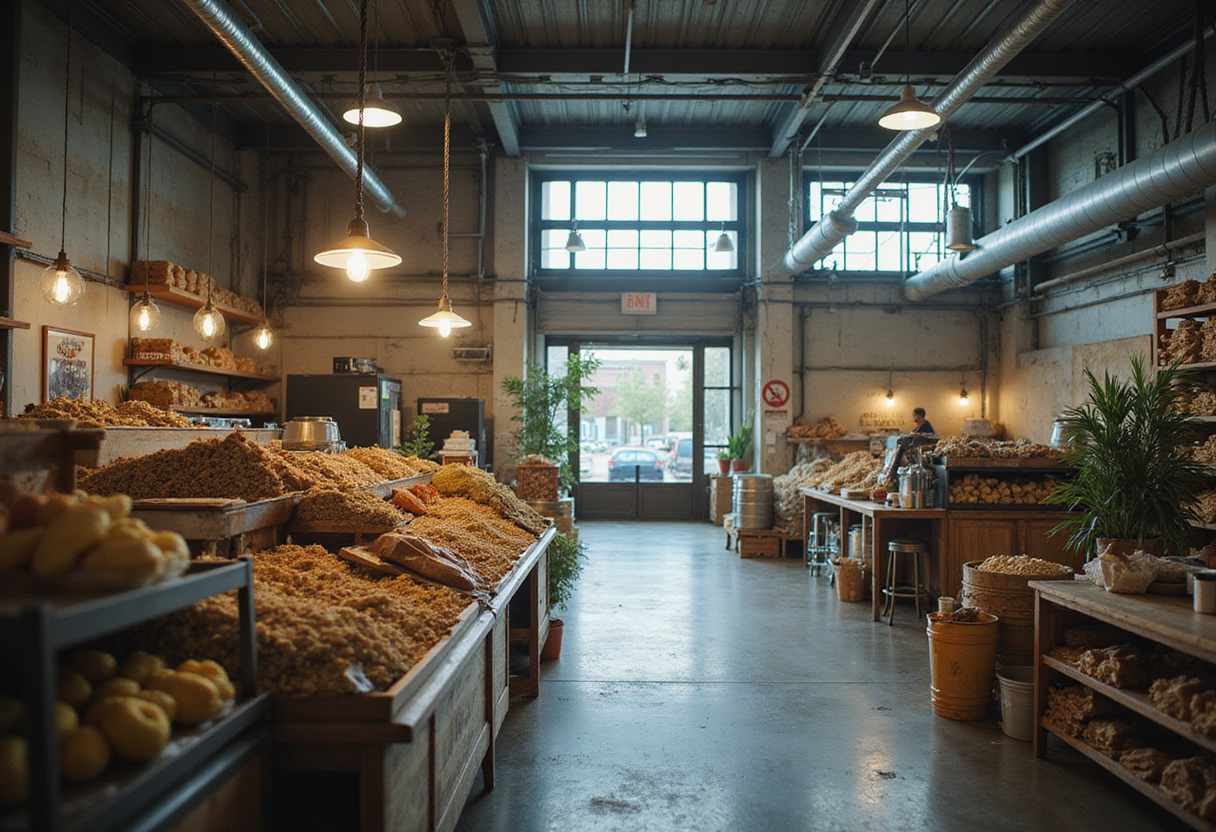
Grain markets fell sharply this week as traders accelerated a broad selloff and largely disregarded heatwave conditions that would normally support prices during a critical stretch of the growing season, AgroLatam reports.
The sell-off stands out for what it ignored. Sustained high temperatures across key grain-producing regions typically raise crop-stress concerns, tighten supply expectations and lift futures as funds and commercials price in yield risk. This time, the market moved the other way. Traders treated the heat as a secondary issue and pushed prices lower, extending an aggressive liquidation across the grain complex.
The dynamic signals a market more worried about demand and positioning than about weather-driven supply loss. When speculators hold heavy long positions and macro sentiment turns, weather premiums can unwind quickly — even when agronomic stress remains real in the field. A heatwave that fails to move the board usually means money flows, not crop fundamentals, are setting the price.
For growers, the implications land directly on margins. Producers who held grain unpriced in anticipation of a weather rally now face a weaker basis environment and lower cash prices at a point in the season when input costs — fertilizer, fuel, crop protection — have already been locked in at earlier levels. The disconnect between field conditions and futures prices compresses the pricing window and makes deferred sales harder to justify.
For buyers — feed mills, ethanol plants, crushers and export desks — the selloff lowers procurement costs and improves crush and processing margins, at least on paper. End-users that stepped to the sidelines during the rally may find current levels attractive for coverage, which could eventually slow the decline if commercial buying emerges.
The acceleration of the selloff also raises questions about how traders are reading the crop. If funds are selling through a heatwave, they may be pricing in adequate soil moisture, larger-than-feared acreage or yield potential, or simply reacting to outside markets and broader risk-off sentiment. Alternatively, the market may already have concluded that the heat arrived too late, or covered too small an area, to dent national production estimates.
That calculation carries risk in both directions. If the heat did damage pollinating corn or filling soybeans, condition scores and yield surveys in the coming weeks will have to reconcile with a market that has already traded away its weather premium. Harvested results — not condition reports and not trader positioning — will settle the argument.
AgroLatam's report does not specify individual contract settlements, exchange volumes or the geographic footprint of the heat event, so readers should treat the direction and character of the move — an accelerating, weather-ignoring selloff — as the confirmed facts, and await exchange data and crop-progress releases for the underlying numbers.
The next test comes with upcoming weather forecasts and official crop-condition reports: either renewed heat and deteriorating ratings force traders to rebuild the weather premium they just discarded, or confirmatory crop data validates the selloff and cements lower farm-gate prices into harvest.
via Google News: Grain prices (Source)
More from Marcus Bennett
Show full bio
Senior reporter covering marketplaces and e-commerce at Agribusiness Wire.
127 articles
Also in the yard
- Grain Futures Slide as Weather Premium Fades Despite Softer Crop Ratings
- Grain Markets Rally as Global Tensions Drive New Price Surge
- Inflation Squeeze Adds New Downside Risk to U.S. Grain Prices
- Harvest Pressure Drags Corn and Soybean Prices Lower
- Grain Prices Slid Fast After Spring's Rally — Here's the Mechanics