Lot No. LOT-3413 · offered November 6, 2026
Commodity MarketsLot sheet
Grain Basis Faces Freight Inflation and Shifting Ownership
Diesel at $6.35 a gallon and higher freight costs are testing Iowa grain sellers as corn basis weakens, soybean bids fall $0.50 and fund positioning shifts.
Market notes
- Diesel ended October at $6.35 a gallon; trucking costs rose nearly 71% year over year.
- Iowa cash corn and soybean prices were higher than a year earlier, while corn basis was a few cents weaker and soybean bids were $0.50 lower.
- Barge freight rose 21%, while ocean vessel operating costs were about 30% higher amid wars in Ukraine and the Middle East.
- Investment funds sold corn over the previous two months but remained net long as commercial ownership increased.
- Bud Selig barnstormed for a Milwaukee major-league team in 1974, before the Brewers won their first World Series title.
By Grace Kim
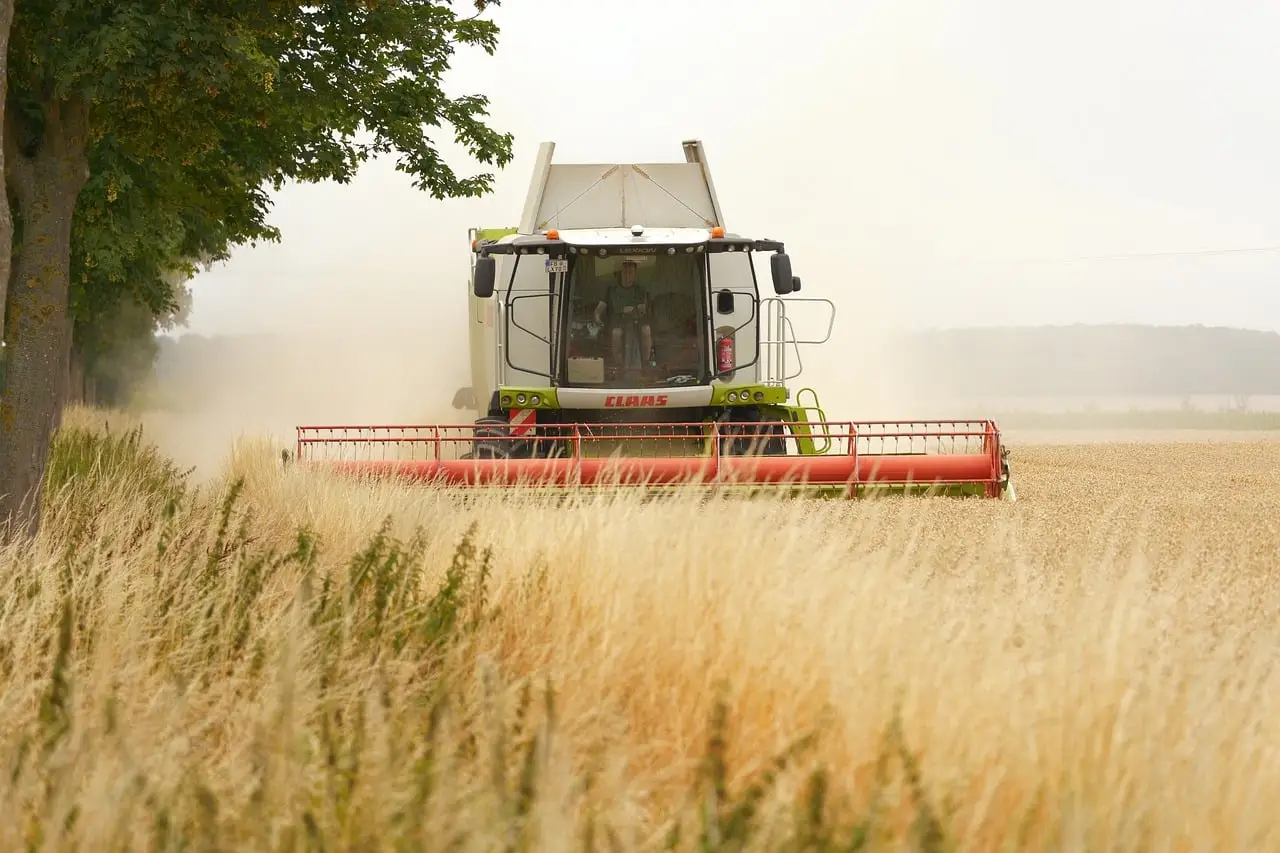
Diesel ended October at $6.35 a gallon, and trucking costs rose nearly 71% year over year. The higher bill increases the cost of moving corn and soybeans among farms, grain bins, truck terminals and rail markets.
Cash corn and soybean prices in Iowa are higher than a year ago, but the basis signals have not followed evenly: corn basis is a few cents weaker, while soybean bids are $0.50 lower. Stronger basis generally improves a seller’s net price; weaker basis can offset part of a cash-price gain and compress farm margins.
Rail freight was flat, barge freight was up 21%, and ocean-going vessels were about 30% more expensive to operate amid wars in Ukraine and the Middle East. Those inputs help determine location spreads: basis tends to strengthen when supplies are tight or demand is strong, while transportation can redirect grain toward shortages and away from surpluses.
What does Selig’s baseball pitch teach grain sellers?
The Milwaukee Brewers’ first World Series championship supplies the column’s organizing lesson: a seller must know the customer. Milwaukee’s earlier major-league title came with the 1957 Braves, whose roster included Hammering Hank Aaron, before the club moved to Atlanta in 1966.
Car salesman Bud Selig barnstormed in 1974 to build support for another major-league team in Milwaukee. His pitch was blunt: “Milwaukee is a major league city and deserves a team in the bigs.” He put fans in seats at minor-league and exhibition games to demonstrate local demand, and the writer attended Hall of Famer Robin Yount’s first Saturday with the team.
That progression, from proving demand to delivering a major-league club, becomes a warning for grain marketers: identify who sets the price and what the buyer needs before deciding when and where to sell. A counterparty that wants the opposite basis position may not reward a farmer’s preferred timing.
How do freight costs and basis interact?
The column’s headgear analogy begins with feed caps, representing office-based grain buyers and basis traders. A feed cap offers comfort, branding and sun protection, but no protection from falling objects; the grain business still requires work around machinery and tons of grain.
Hard hats represent the physical cash market, where moving corn and soybeans into trucks, bins and rail cars creates machinery and injury risks. Freight is a major basis input: higher transportation costs can shift supply toward tight areas and away from surpluses, while strong demand or constrained supply generally supports a stronger basis.
Farmers generally seek the strongest basis, while buyers seek the opposite extreme. For sellers, the relevant signal is the cash-and-basis combination; a higher cash quote alone does not guarantee a wider margin.
The diesel figure marks an October endpoint, and the trucking comparison uses a year-over-year basis rather than a full-season forecast. No stated reporting date or methodology accompanies the Iowa prices, basis figures and shipping changes, so they remain directional market snapshots, not crop-condition or harvested-result data.
Who is trading corn and soybeans now?
Fedoras represent speculators, or investors, who buy and sell futures for profit without using the grain directly. These funds sold corn over the previous two months, although their bearish positions were not especially large and they remained net long overall.
Commercials were taking ownership as farmers moved grain off the combine, prompting merchandisers to hedge. Soybean funds had built an even larger net-long position before slowly turning bearish. Without contract months, position tables or reporting methodology, the scale and timing of those shifts cannot be measured from the account alone.
That change still carries a clear signal for sellers. Commercial merchandisers respond to physical grain, while fund positions can amplify price moves without taking delivery. Basis decisions therefore depend less on cash prices alone than on the identity and objectives of the party across the transaction.
What should grain sellers watch next?
Grain sellers should track the cash-and-basis combination, diesel and freight rates, and the difference between commercial hedging and fund positioning. A mismatch, in the column’s analogy, produces the George Gobel look of brown shoes with a tuxedo, a joke associated with a 1960s humorist that does not suit a farm.
The column closes with Selig, who reached the Major League Baseball commissioner’s office and the Hall of Fame, receiving some posthumous credit this year for the Brewers’ championship season. Over the next marketing window, higher cash grain prices will translate into better farm margins only if basis, freight costs and commercial hedging offset the pressure from changing ownership.
via Farm Progress (Source)
More from Grace Kim
Show full bio
Correspondent covering people, launches and day-to-day practice in Agribusiness coverage for industry professionals at Agribusiness Wire.
464 articles
Also in the yard
- Record Diesel Prices Hit Unpriced Iowa Grower at Harvest
- Railroads Raise Grain Shipping Rates, and Farmers May Pay
- Corn Clears $5 at Three-Year Highs as Grains Extend Summer Rally
- Low Water on the Mississippi Costs Southern Corn Growers Up to 71 Cents
- Soybean Basis Slips From 50-Cent-Over Highs as Deliveries Reach Crushers