Lot No. LOT-8485 · offered October 1, 2026
Crop EconomicsLot sheet
Record Diesel Prices Hit Unpriced Iowa Grower at Harvest
Lake Mills grower Mike Yegge faces doubled diesel costs with no fall fuel contracted, hitting margins just as harvest fuel demand peaks across his corn and soybean acres.
Market notes
- Diesel prices near Lake Mills, Iowa, have doubled since Mike Yegge's last fuel purchase.
- Yegge grows corn and soybeans and has not contracted his fall diesel supply heading into harvest.
- Yegge told Brownfield the record fuel prices will have 'a big impact' on his operation.
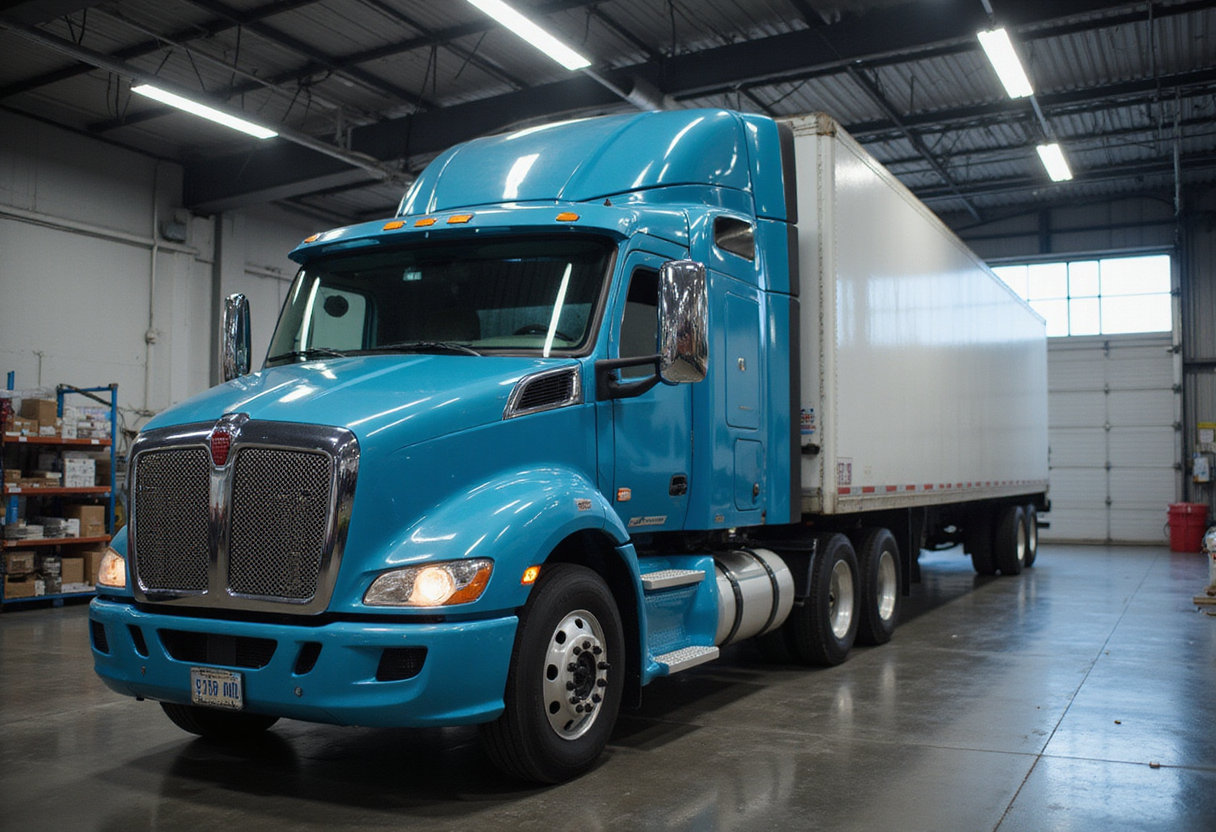
Diesel prices near Lake Mills, Iowa, have doubled since Mike Yegge last bought fuel, and the north Iowa corn and soybean grower heads into harvest without a gallon of fall supply contracted.
"I have not contracted my fall diesel yet, so unfortunately it's going to be a big impact," Yegge told Brownfield.
That single sentence captures the margin math now confronting grain producers across the upper Midwest. A grower who normally fixes a substantial share of harvest-season fuel through forward contracts entered the season fully exposed to spot markets at record levels. The result is a direct hit to the cost side of the ledger at the moment when diesel consumption peaks — combining, hauling, and grain trucking all run simultaneously through the harvest window.
For a corn and soybean operation in Winnebago County farm country, fuel is not a marginal expense. Tractors pulling combines and grain carts, semi trucks shuttling crops to elevators or on-farm storage, and the auxiliary machinery that supports a harvest push all draw on diesel. When the price of that input doubles between purchases, the increase lands on every acre harvested and every bushel moved.
The timing compounds the problem. Yegge's last fuel purchase preceded the price run-up, meaning he captured no hedge against the climb. Growers who priced diesel earlier — through fuel dealers, cooperatives, or forward contracts commonly offered ahead of the planting and harvest demand seasons — locked in costs well below what unpriced buyers now face. The spread between those two positions is effectively a transfer from unhedged operators to those who priced ahead, and it widens with every acre that comes out of the field.
Harvest leaves little room to adapt. Unlike pre-plant decisions, where a grower can shop timing, switch suppliers, or trim passes across the field, harvest fuel demand is largely fixed by the crop standing in the field. The corn and soybeans must come out, and the machinery to take them out runs on diesel priced at whatever the market offers that day.
Yegge's situation illustrates a broader risk-management gap that surfaces when input markets move sharply. Grain producers routinely hedge output — corn and soybean futures, basis contracts, deferred pricing agreements — but fuel purchasing discipline varies widely from farm to farm. A season like this one reprices that inconsistency in dollars and cents.
The impact reaches beyond the fuel tank. Every additional dollar spent on diesel raises a grower's break-even price for the crop being harvested, squeezing the margin between commodity revenue and operating cost at exactly the point when those margins get locked in through fall sales and storage decisions. For an operator like Yegge, the doubling of fuel cost effectively raises the price floor on every bushel he sells in the coming weeks.
How sharply the final numbers land depends on the size of the crop, total gallons burned, and any ability to stage purchases as the harvest progresses rather than buying a full season's supply at the peak. Those calculations will show up in the operation's cost records once the last acre is out.
Yegge expects the hit to be big. Whether other north Iowa growers face the same exposure — and how much of the region's fuel needs went unpriced into the rally — will become clearer as harvest results and cost summaries replace condition reports in the weeks ahead.
via Brownfield Ag News (Source)
More from Rebecca Stone
Show full bio
Market editor covering industry trends and analytics at Agribusiness Wire.
140 articles