Lot No. LOT-6278 · offered November 8, 2026
Lot sheet
Foreign Investors Hold Over 47 Million Acres of U.S. Farmland, USDA Data Show
Foreign entities hold over 47 million acres of U.S. agricultural land — 3.6% of private acreage, up 91% since 2010 — but nearly half is forest, USDA data show.
Market notes
- Foreign entities hold more than 47 million acres of U.S. agricultural land, about 3.6% of privately held agricultural acreage.
- Foreign holdings have grown 91% since 2010, though the pace of growth has slowed.
- Canada is the largest foreign holder at roughly 16.1 million acres; European investors hold more than 18 million acres.
- Chinese entities held approximately 245,000 acres in 2024, less than 1% of foreign-held agricultural land.
- Nearly half of foreign-held acreage is forest, with significant portions tied to wind and solar projects.
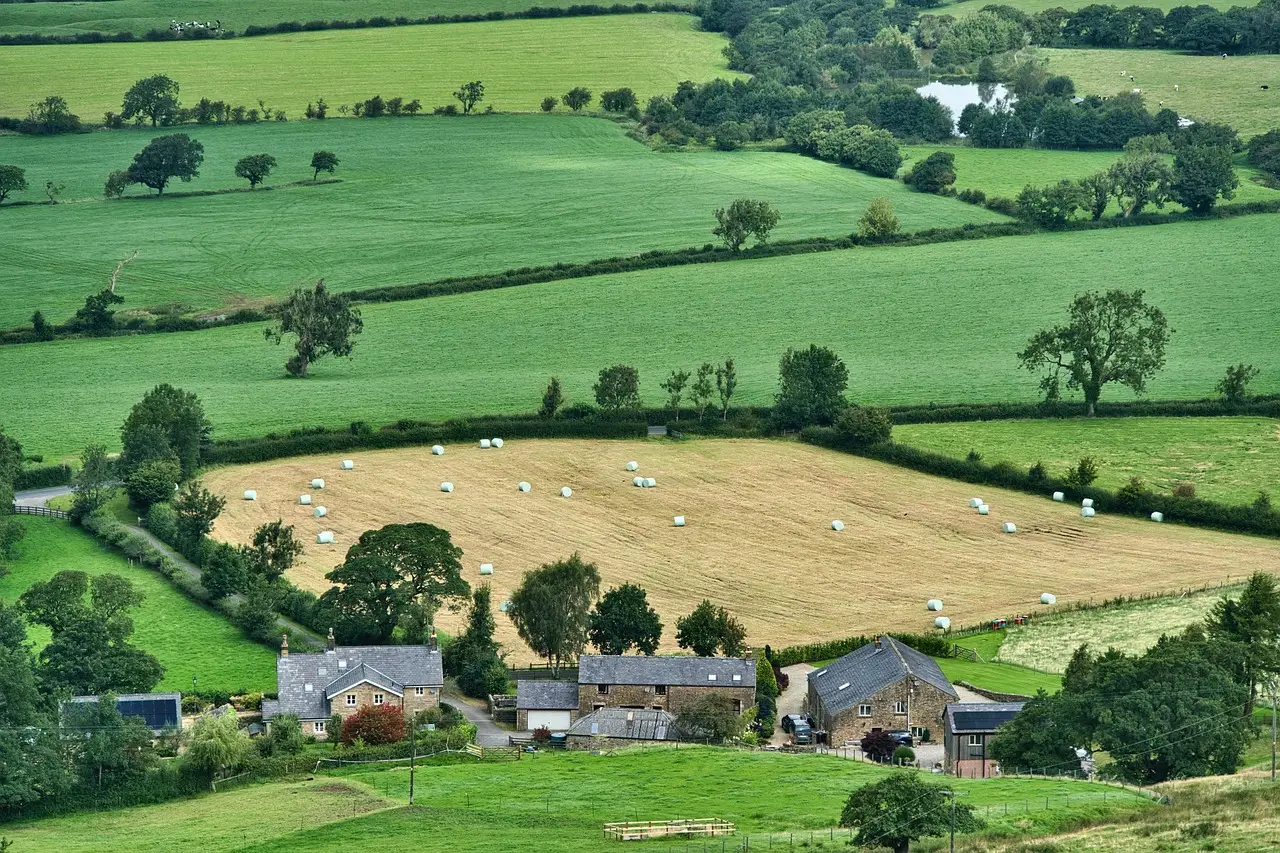
Foreign entities held more than 47 million acres of U.S. agricultural land as of the latest USDA reporting — roughly 3.6% of all privately held agricultural acreage. The holdings have grown 91% since 2010, but the pace of growth has slowed, and much of the acreage never produces a crop or feeds a herd.
The new USDA figures land amid heightened political attention to foreign farmland purchases, particularly Chinese acquisitions. The data put that concern in scale.
Who actually holds the land?
Canada remains the largest foreign holder, controlling approximately 16.1 million acres. European investors collectively hold more than 18 million acres.
Chinese entities held approximately 245,000 acres in 2024 — less than 1% of all foreign-held U.S. agricultural land. The USDA data show foreign investment in U.S. acreage spans a range of countries, with Canadian and European investors accounting for far larger shares than China.
For growers watching land values and competing bids, the buyer pool skews heavily toward North American and European capital.
What counts as 'foreign-held' acreage?
Nearly half of the reported foreign-held land is forest acreage. Significant portions are tied to renewable energy projects, including wind and solar development.
That distinction matters. Acreage under agricultural land reporting requirements does not necessarily produce crops or raise livestock, even though it registers in the headline 47-million-acre total.
The reporting itself is broader than outright ownership. The Agricultural Foreign Investment Disclosure Act requires foreign entities to report certain purchases, sales and long-term leases of U.S. agricultural land to USDA. Leases running 10 years or longer fall under the requirement.
As a result, some acreage classified as foreign-held remains owned by domestic landowners but is leased to foreign entities under qualifying agreements. The reported total therefore blends fee ownership with long-term control.
What do the numbers mean for farmland markets?
The USDA data offer both scale and composition: foreign-held acreage is large, growing more slowly than it once did, and concentrated in timber and energy-related uses rather than row-crop production.
Canada and Europe dominate the holdings. China's footprint is a rounding error in the total. Nearly half the land is forest, and wind and solar projects account for another significant share.
USDA will continue to collect disclosures under AFIDA, giving analysts a running window into who controls U.S. acreage and how that control shifts as renewable energy development expands across agricultural regions.
via agnetwest.com (Source)
More from Grace Kim
Show full bio
Correspondent covering people, launches and day-to-day practice in Agribusiness coverage for industry professionals at Agribusiness Wire.
477 articles