Lot No. LOT-4006 · offered October 9, 2026
Trade & ExportsLot sheet
China's Return to U.S. Soybeans Signals Shift Inside BRICS Bloc
China is buying U.S. soybeans again just as BRICS members signal unity, raising basis and policy questions for American growers heading into the export season.
Market notes
- China has returned to purchasing U.S. soybeans, AgroLatam reports
- China is the largest single destination for U.S. soybean exports
- BRICS members, including Brazil, Russia, India and China, are showing renewed unity on agricultural trade
- The reporting signals bloc cohesion but no binding agricultural agreement has been announced
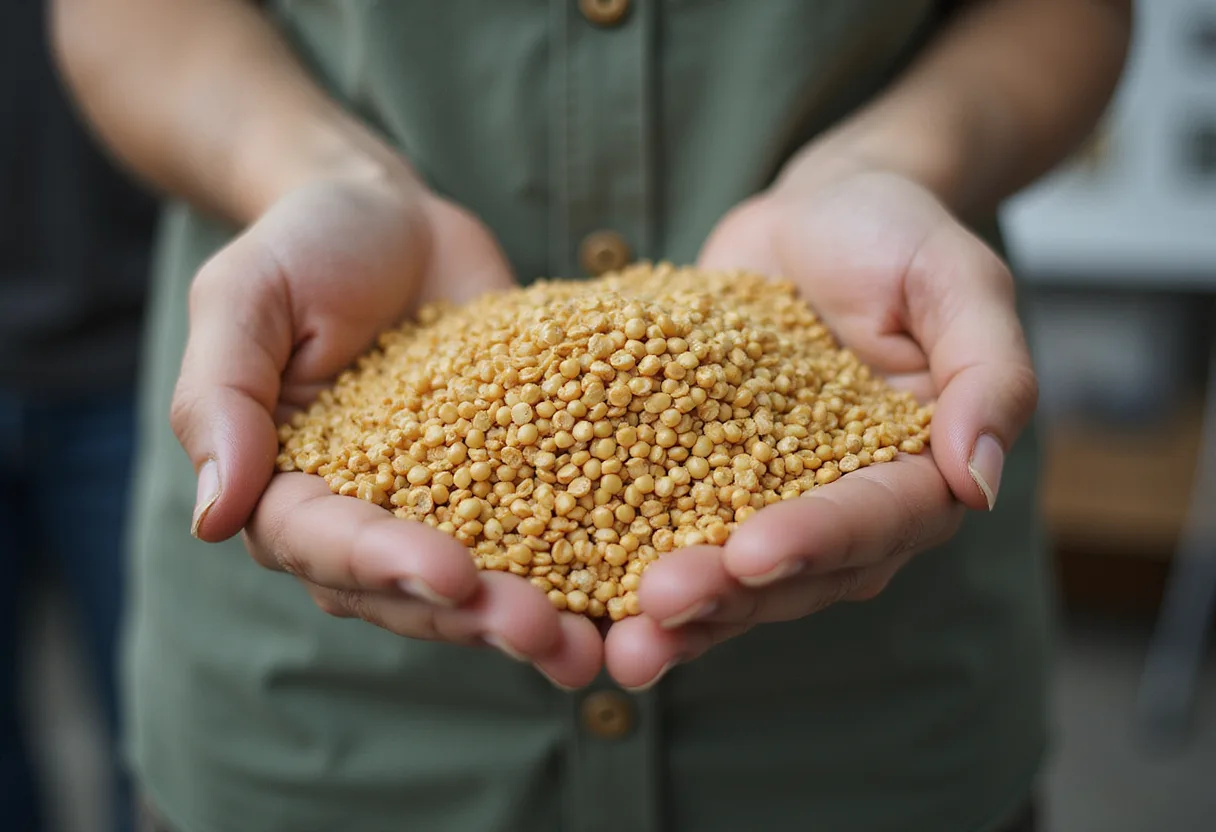
China has moved back into the U.S. soybean market, and the timing — as BRICS members show new cohesion on agricultural trade — puts the purchase flow at the center of American farm-policy calculations.
The headline development, reported by AgroLatam, is straightforward: Chinese buyers are again purchasing U.S. soybeans after a period in which trade between the two countries had slowed. For U.S. growers, China remains the single largest destination for American soybeans, so any resumption of Chinese demand touches basis levels, export inspections and ultimately farmgate margins across the Corn Belt.
The second element of the story is diplomatic. The same reporting frames China's return to the U.S. market against a display of unity among BRICS nations — a grouping that includes several of the world's largest agricultural exporters and importers. The question for U.S. agriculture is whether that unity translates into coordinated trade policy that could redirect commodity flows, or whether it amounts to rhetoric that leaves existing buyer-seller relationships intact.
Why does China's buying matter so much?
Soybeans are the United States' most valuable farm export, and China historically accounts for the largest share of those shipments. When Chinese crushers step back into the market, Gulf and Pacific Northwest basis typically firms, lifting the realized price for growers beyond what futures alone reflect. When China steps away — as it did during past trade disputes — exporters, barge operators and country elevators all absorb the margin pressure.
That asymmetry is why each round of Chinese purchasing draws close attention from USDA export-reporting systems and private analysts alike. Sales announcements, weekly export inspections and quarterly crush data form the checklist analysts use to separate confirmed shipments from intentions and rumors — a distinction that matters when headlines move markets before cargo is even loaded.
What is BRICS signaling?
BRICS members produce and ship a large share of the world's soybeans, corn, wheat, vegetable oils and fertilizer inputs. Brazil, a dominant soybean exporter and a direct competitor with U.S. growers for the Chinese market, sits inside the group alongside China itself, India and Russia — all major players in global food and input trade.
Displays of unity within such a bloc raise structural questions for U.S. agriculture:
- Whether member states coordinate payment, currency or logistics arrangements that favor intra-bloc trade over purchases from U.S. exporters
- Whether Chinese demand rotates more heavily toward Brazilian supply in peak South American harvest windows, compressing the U.S. export season
- Whether fertilizer and energy flows among BRICS members affect the input costs U.S. farmers face for the next planting cycle
At this stage, the reporting describes a mood of unity rather than a signed framework, so any claim of a binding agricultural pact within the group would run ahead of the available record.
How should growers read the news?
Condition reports, diplomatic statements and purchase intentions are not the same thing as vessel loadings. China's return to the U.S. soybean book is a concrete commercial signal, but the durability of that demand will show up in the harder data: cumulative export sales tracked week by week, crush margins reported by processors, and the pace of shipments through U.S. ports during the peak export window.
For growers budgeting next season's inputs, the practical takeaway is monitoring both tracks at once — the commercial one, where Chinese buying lifts or softens basis, and the political one, where BRICS coordination could reshape who sells what to whom over the longer run.
AgroLatam's framing suggests the two stories are now converging: a bloc often described as divided is presenting a united front at precisely the moment its largest member is re-engaging the U.S. farm-export machine. How long that engagement lasts, and whether BRICS unity hardens into trade policy, will be the questions U.S. soybean country watches through the coming export season.
via Google News: Agricultural trade (Source)
More from Olivia Hart
Show full bio
News editor covering technology and product news in Agribusiness coverage for industry professionals at Agribusiness Wire.
419 articles
Also in the yard
- China's New US Farm Purchases Raise Global Trade Questions
- U.S. Growers Press Beijing on Soybean, Grain Tariff Standoff
- U.S.-China Tariff Talks Put Soybeans at Center of Trade Reset
- Study: Shifting U.S.-China Trade From Feed to Food Could Cut Footprint
- China Ramps Up Purchases of US Soybeans as Ag Trade Rebuilds