Lot No. LOT-8472 · offered November 8, 2026
Commodity MarketsLot sheet
Lean hog futures set contract lows on plentiful supply
CME December lean hog futures fell to 58.175 cents per pound and touched a life-of-contract low as Chinese hog supply and weak demand pressure exports; cattle also weakened.
Market notes
- CME December lean hog futures closed down 0.70 cent at 58.175 cents per pound and touched 57.775 cents, a life-of-contract low.
- April 2027 lean hog futures also set a contract low; analysts said futures have tumbled since July because cash hog and wholesale pork prices weakened.
- China renewed export licenses in May for more than 400 U.S. beef plants, though regulatory barriers remain.
- CME December live cattle fell 1.250 cents to 219.700 cents per pound; January feeder cattle closed at 332.675 cents after touching an Oct. 9 low.
- USDA confirmed Indiana’s first dairy-cattle bird flu case; a Washington person with underlying conditions died after dairy exposure, with general-public risk stated as low.
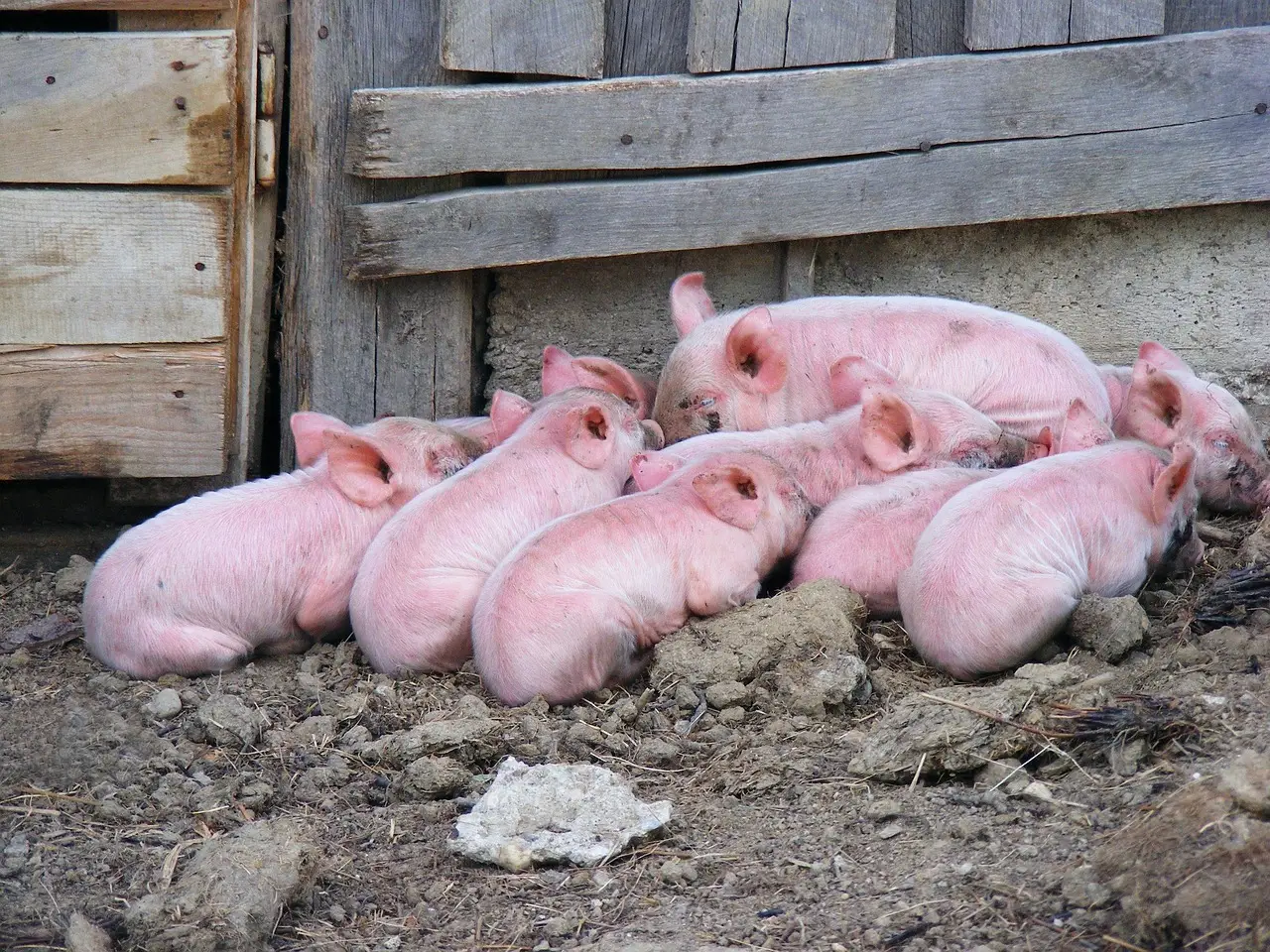
Chicago Mercantile Exchange (CME) December lean hog futures fell 0.70 cent to 58.175 cents per pound on Monday and touched 57.775 cents, a life-of-contract low, as plentiful supply and weak demand kept pressure on the market.
The setback was not confined to one contract month: CME April 2027 lean hog futures also set a life-of-contract low. Reuters, citing analysts, said futures have tumbled since July because cash prices for hogs have been poor and wholesale pork prices have slumped.
Those analysts called futures oversold, but they said the timing of any recovery remained unclear. An oversold market can stay oversold, so that assessment neither establishes a price floor nor forecasts a rebound.
Market takeaway: Plentiful supply and weak demand still control hog futures, and the source offers no reliable recovery date.
Why are hog and pork prices under pressure?
Analysts said domestic and export demand for pork was struggling. China, the world’s biggest pork consumer, is grappling with an oversupply of hogs that is hurting U.S. pork exports.
Joe Schuele, a spokesman for the industry group US Meat Export Federation, said: “It’s hard for them to import pork from the US or from most suppliers and turn a profit on it, with so much low-priced domestic product in the market.”
For U.S. producers, poor cash hog prices, lower wholesale pork values and weak export demand point to margin pressure. The report gave no export volumes, input costs, farm margins or basis—the spread between cash and futures—so it cannot quantify the damage or isolate how much of the decline reflects supply rather than demand.
U.S. beef also faces regulatory barriers to exports to China. Beijing renewed export licenses in May for more than 400 U.S. beef plants, but the report said barriers remained. The renewal should not be read as proof that every plant can ship without further restrictions.
Export takeaway: Chinese hog oversupply is suppressing U.S. pork demand, while renewed beef licenses have not removed every regulatory barrier.
What do cattle prices show?
CME December live cattle futures closed down 1.250 cents at 219.700 cents per pound after touching the lowest price since Oct. 5. January feeder cattle futures finished up 0.900 cent at 332.675 cents per pound after earlier falling to the lowest price since Oct. 9.
Soft cash trading matched the weaker futures tone. Cash cattle traded at $224 to $225 in the southern United States on Friday, down about $5 to $6 from a week earlier, brokers said.
The timing matters: Friday cash quotes do not provide a same-day cash-versus-futures comparison for Monday. The source also gave no feed or other input-cost data, so it cannot show whether lower cattle prices reduced farm margins or whether changing costs offset some of that decline.
Feeder cattle ended slightly higher after touching an October low, but that one-session rebound does not outweigh the weak cash market.
Cattle takeaway: Futures and cash prices both leaned lower, although they came from different reporting days and do not isolate the full margin effect.
What changed on the bird flu front?
The U.S. Department of Agriculture confirmed bird flu in dairy cattle in Indiana, marking the state’s first reported case. Separately, the Yakima Health District in Yakima, Washington, reported that a person with underlying health conditions died after contracting bird flu following exposure at a dairy.
Officials said the risk of infection to the general public was low. The Washington State Department of Agriculture said: “We are heartbroken to lose a member in our farm-working community.”
These reports require separate treatment. The source did not identify the Indiana dairy, the detection date, the number of cattle affected, the virus strain or any link to the Washington death. It also did not provide details on how many dairy workers had exposure.
The Indiana finding is a confirmed cattle case, while the Washington death is a reported human infection after dairy exposure; neither detail establishes broader public exposure.
Health takeaway: The Indiana cattle case and Washington death are distinct events, and the source supports only a low general-public risk assessment.
The next checkpoints are whether Chinese pork demand and U.S. cash prices improve before futures recover, and whether additional dairy and public-health details follow the Indiana and Washington reports.
via thepigsite.com (Source)
More from Olivia Hart
Show full bio
News editor covering technology and product news in Agribusiness coverage for industry professionals at Agribusiness Wire.
488 articles
Also in the yard
- Feeder, Live Cattle Futures Drop on Slowing Beef Demand
- Chicago Grain Prices Slide Ahead of Trump-Xi Summit
- Chicago Grain Futures Slide as US Export Sales Disappoint
- NYSE Owner Takes Aim at CME's Livestock Futures Franchise
- Cattle Futures Rebound From $210 Lows, But Record-Low Placements and 300,000 Tons of Tariff-Free Beef Imports Pull Opposite Ways