Lot No. LOT-3660 · offered November 13, 2026
Crop EconomicsLot sheet
Five Straight Drought Years Push Missouri Farmers Toward 2027 Reset
Missouri's five straight drought years rank with the 1930s and 1950s in length. Climatologist Zack Leasor says a near-record El Niño could bring the wet reset growers need.
Market notes
- Missouri has recorded five consecutive growing seasons of severe to extreme drought through 2026.
- A near-record-strength El Niño forecast points to increased Missouri rainfall in 2027.
- Corn regions avoided severe drought in 2026, with good yields credited to July rainfall timing.
- Northwest Missouri faced delayed harvest from wet fields; southeast had the fewest weather challenges.
- Climatologist Zack Leasor ranks the dry streak with the early 1930s and 1950s in duration.
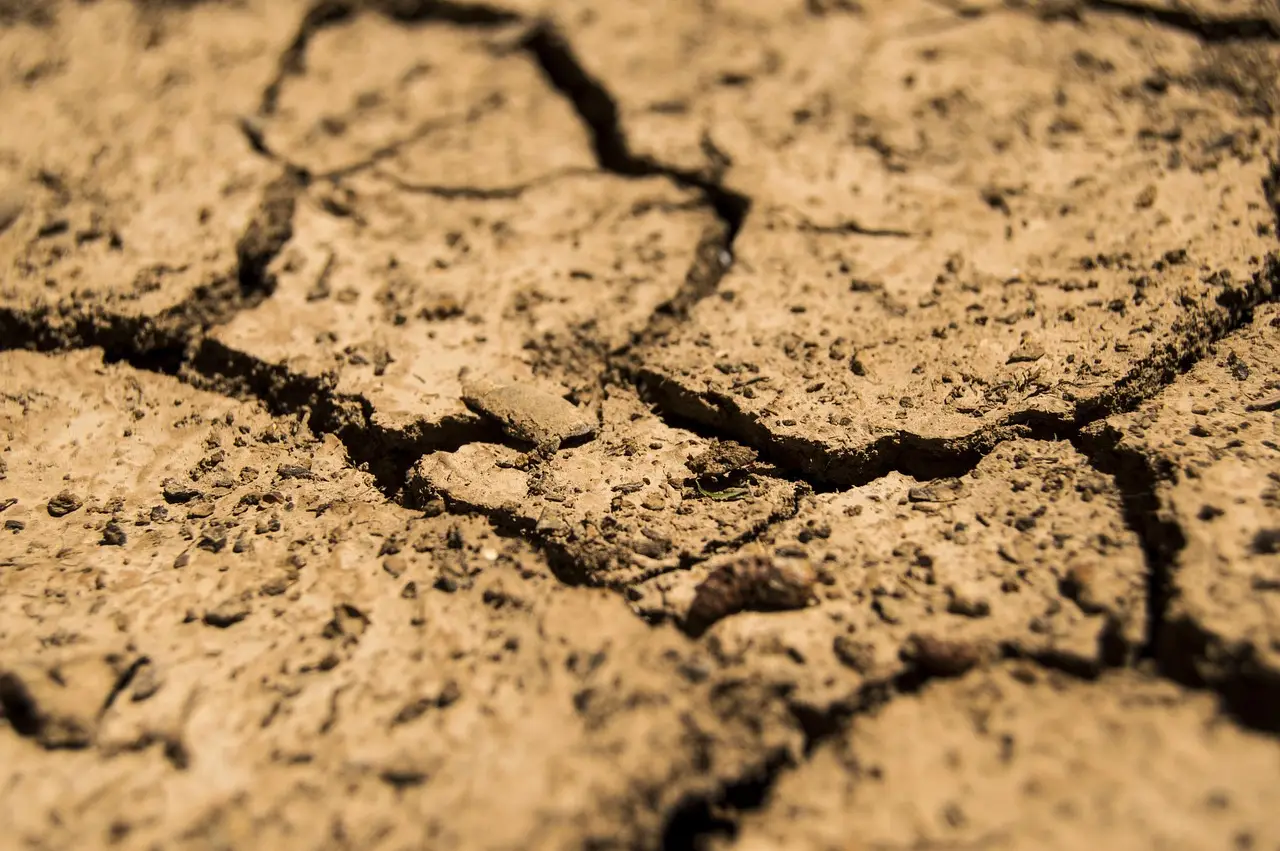
Missouri has now logged five consecutive growing seasons with severe to extreme drought, a dry stretch University of Missouri Extension state climatologist Zack Leasor ranks alongside the early 1930s and early 1950s in length. He shared the assessment on November 13, 2026.
"This is now the fifth consecutive growing season that we've had drought," Leasor said. "That doesn't mean everywhere in the state had it, but it's been severe to extreme in that time."
Southwest Missouri absorbed the worst of it over the five-year span. Pasture renovation there has stalled. Producers know resilient grasses could anchor their fields, but the practices need one normal season to take hold.
"They know there's some resilient things they could be doing, for example, establishing more resilient grasses in their pastures," Leasor said. "But they haven't even had the opportunity to because they need one normal season without drought to get these new practices established."
Where the 2026 crop year landed
The drought map was uneven. Corn regions largely escaped severe conditions, and yields held up.
"We have seen good corn yields in all of these drought years, and I think a lot of that is the timing," Leasor said. "They have enough water in July, and then it gets dry about the time they're ready to dry down for harvest."
Other regions diverged sharply:
- Far northwest counties drew recent rainfall, leaving wet fields and a delayed harvest.
- Late-planted soybeans took drought hits, concentrated in southern Missouri.
- Southeast Missouri saw a warm, dry planting season and faced the fewest weather-related challenges this year.
- Drought combined with high temperatures across southern Missouri to drive abnormally high and rapid evaporation.
What does 2027 hold?
The pattern is flipping. Leasor said a transition from La Niña to El Niño is underway, close to record-breaking strength, and for Missouri that points to increased rainfall through the year.
"I'm hoping once this El Niño strengthens and we get more into that pattern atmospherically, that we're a wet growing season next year, and we're not dealing with those drought concerns," he explained.
He wants a wet summer and fall to close out one of the worst droughts on record in the state. Five straight drought years, in his framing, sits near the top of the state's climate history for duration.
"I don't think we've seen impacts to that level, and I don't think we've seen the drought be as severe, but we're up there with an almost record-breaking type of length with this five-year stretch, and so it is unusual," Leasor said.
What does this change for growers?
Leasor's adaptation advice runs to diversification and water planning. He urged early planting and systems that spread risk across a farm rather than concentrating it in one crop year.
"If you've got a corn-soybean rotation, maybe break that up in a couple places so that it's not all a corn year or all a soybean rotation," he said.
Drought-stricken crops can serve as silage for livestock, keeping value in the field when grain quality slips. For livestock operators, 2027 shapes up as a critical year for pasture restoration after drought. Leasor advised auditing farm ponds and wells now for capacity.
"There are a lot of producers who have run into surface water supply issues on the farm the past few years and end up having to haul water," he said. "So how you're managing that water on the farm, it's very important."
If the El Niño delivers, 2027 gives Missouri growers their first window in half a decade to reseed pastures and rebuild water reserves.
via Farm Progress (Source)
More from Marcus Bennett
Show full bio
Senior reporter covering regulation, policy and their impact on Agribusiness coverage for industry professionals at Agribusiness Wire.
470 articles
Also in the yard
- Wet Weather Compromises Midwest Corn Stalks, Slows Harvest
- Heavy Rains Stall Northwest Missouri Harvest, Agronomist Reports Grain Quality Damage
- Southwest Colorado Drought Persists as Farm Bill Deadline Nears
- Seyer harvested above 200 bushels per acre of corn near Oran
- Winter Wheat Acres Seen Bouncing Back for 2027 Crop