Lot No. LOT-2984 · offered November 13, 2026
Crop EconomicsLot sheet
Forecasters Say Developing El Nino Could Be Strongest Since 1950
Forecasters say the developing El Nino could be the strongest since 1950, with NOAA expected to designate it a super El Nino, splitting U.S. winter conditions.
Market notes
- Forecasters say the developing El Nino could be the strongest since records began in 1950.
- NOAA expected to designate the event a super El Nino.
- Cooler, wetter conditions forecast from California to Florida; warmer and drier north of Interstate 80 to the Canadian border.
- Lake Mead and Lake Powell sit at their lowest water levels in 70 years.
- Report delivered by Mark Oppold for Southeast AgNet's Bottom-Line Report.
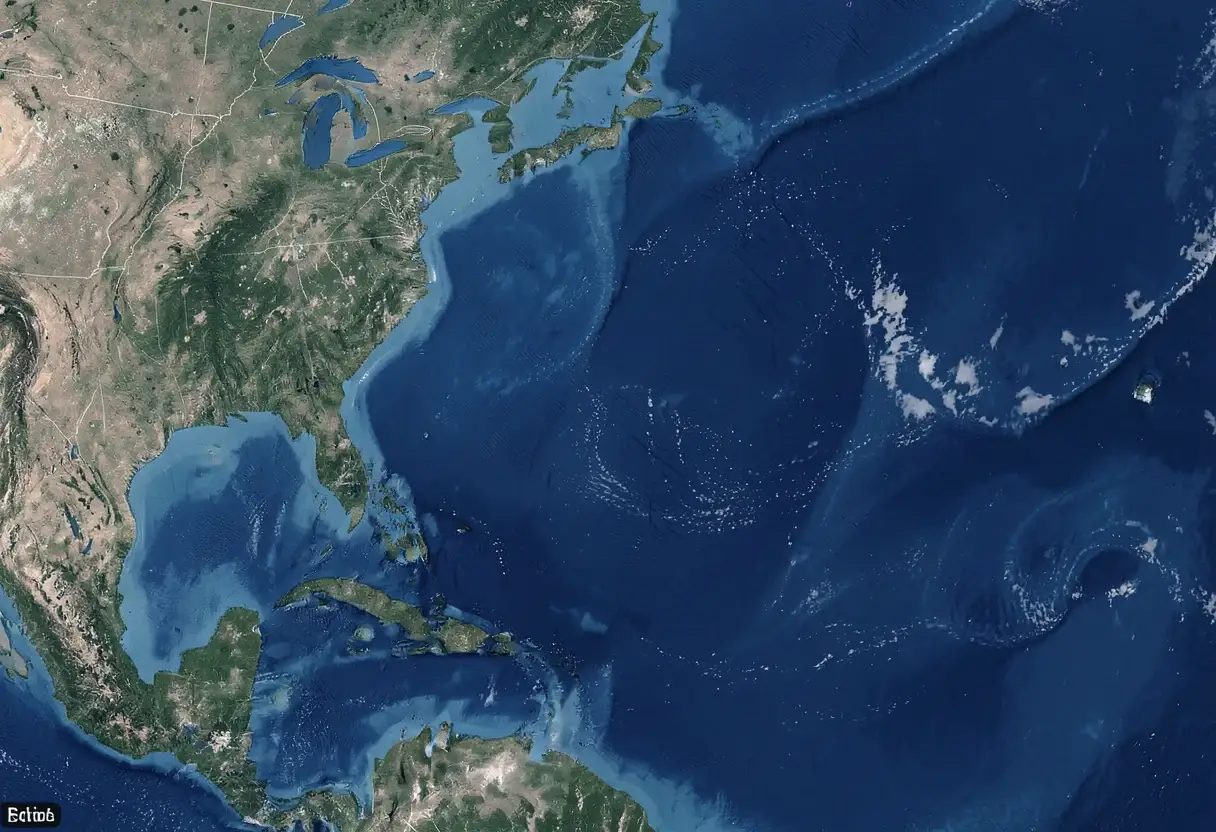
The El Nino weather pattern now developing over the Pacific could become the strongest event since record-keeping began in 1950, according to forecasters, with NOAA expected to designate it a super El Nino.
That classification matters for growers because an event of this magnitude splits the country into two distinctly different production regimes. In a super El Nino, the Pacific jet stream (the high-altitude wind corridor that steers storm systems across North America) shifts south, redirecting moisture into the southern tier of the United States.
The result, forecasters say, will be cooler and wetter conditions across the entire South, stretching from California to Florida. North of Interstate 80, running to the Canadian border, the pattern reverses: much warmer and drier weather is expected.
What does this mean for southern growers?
The report, delivered by Mark Oppold for Southeast AgNet's Bottom-Line Report, is blunt about the regional stakes. Rain will not be welcome in the southern growing areas the network serves.
For producers in that belt, a wet super El Nino winter carries consequences for fieldwork windows, disease pressure and harvest timing. Saturated soils delay equipment entry, and persistent cloud and moisture favor fungal pathogens in winter vegetable and citrus operations.
Where the water picture offers relief
The same southern storm track that complicates life for Southeast growers could deliver a benefit in the West. Rain in California and the western states could again lead to filling reservoirs such as Lake Mead and Lake Powell.
Those reservoirs sit at water levels that are the lowest in 70 years, a benchmark that frames how much storage room exists before upstream runoff becomes a surplus rather than a shortfall. Western irrigation districts drawing on the Colorado River system have spent years managing allocations against that deficit, and a strong El Nino winter is one of the few mechanisms capable of materially raising inflows.
A divided national outlook
The forecast effectively draws a climatic line along Interstate 80:
- South of the corridor, from California through the Gulf states to Florida: cooler, wetter conditions through the winter.
- North of the corridor, to the Canadian border: much warmer and drier conditions.
That divide has practical weight for input planning and basis (the local cash-price differential against futures). Wet southern winters can delay spring planting intentions and shift fertilizer and fuel purchase timing, while warm, dry northern conditions affect winter wheat dormancy and soil moisture reserves heading into the next crop year.
It also carries implications beyond agriculture. The report notes that travelers heading south for the winter — snowbirds relocating to the Sun Belt — might find similar weather closer to home, an indication of how far north the altered pattern could extend.
Forecasters stress that this remains a developing pattern rather than a settled result. The designation as a super El Nino, if confirmed by NOAA, would mark the strongest such event in 75 years of continuous observation, and producers in both the wet South and the dry North will be watching the next forecast cycles for confirmation.
via southeastagnet.com (Source)
More from Rebecca Stone
Show full bio
Market editor covering people, launches and day-to-day practice in Agribusiness coverage for industry professionals at Agribusiness Wire.
495 articles
Also in the yard
- Forecasters Flag Super El Niño Risk for 2026-2027, 1877 Benchmark
- Cooler Days Ahead for Heartland as Rains Give Way to Dry Pattern
- El Niño Water Year Brings Both Relief and Risk to Western Ag
- Hurricane Polo to Drive Central U.S. Weather as Coastal Low Exits
- Hurricane Rachel's Remnants Bring 11 Inches of Snow, Drought Relief