Lot No. LOT-2651 · offered November 13, 2026
Crop EconomicsLot sheet
Chevron to Restart 42-Million-Gallon Iowa Biodiesel Plant
Chevron will restart its 42-million-gallon-per-year Ralston, Iowa biodiesel plant, idled since 2024, backed by a feedstock deal with Landus Cooperative.
Market notes
- Chevron will restart its Ralston, Iowa biodiesel plant, closed in 2024, per a Thursday news release.
- The facility has a capacity of 42 million gallons per year — enough for over 275,000 18-wheelers.
- Landus Cooperative will supply feedstock under the restart agreement.
- Workforce additions' timing and scope remain under assessment; no restart date was announced.
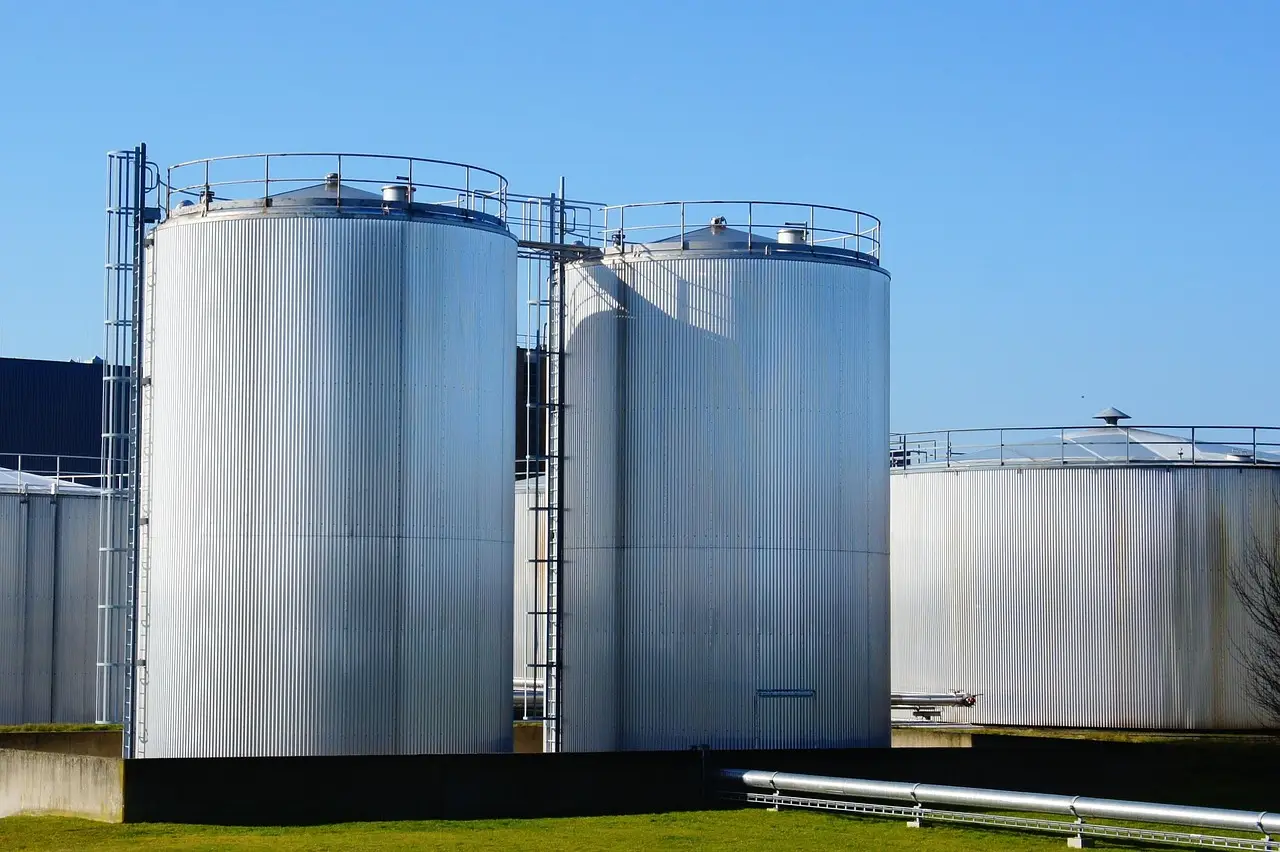
Chevron U.S.A. will restart a biodiesel plant in Ralston, Iowa, that can produce 42 million gallons per year — enough fuel, by the company's own count, to power more than 275,000 18-wheelers.
The company announced the restart in a news release Thursday. The plant shut in 2024 amid what Chevron called a "market downturn" in biodiesel. It has sat idle since.
The restart rests on a feedstock agreement with Landus Cooperative, the Ames-based grain and agronomy cooperative that operates across northern Iowa. Landus will supply the plant's feedstock needs, according to the release. Chevron did not disclose the terms of the agreement, the volume committed, or the feedstock mix the plant will run.
The Ralston facility sits in the heart of Iowa soybean country. For surrounding growers, a restarted crush-and-biodiesel outlet matters directly: biodiesel plants are baseline soybean oil demand, and their operating status feeds local basis and crush margins.
What stays uncertain?
Chevron left two questions open. The "timing and scope" of workforce additions at Ralston are "still being assessed," the release said. No restart date was given, and no hiring numbers were attached to the announcement.
The company also offered no production ramp schedule. A 42-million-gallon nameplate is not a harvest of actual gallons; utilization rates at U.S. biodiesel plants have swung widely with feedstock costs and federal policy credits, and Chevron's release describes capacity, not committed output.
Why the plant closed
The 2024 shutdown followed a biodiesel market downturn, per Chevron's own wording. That year pressured margins industry-wide, with weak blending economics and policy uncertainty weighing on producers. Chevron offered no updated market analysis in Thursday's release to explain what changed.
What is clear is the structural commitment: Chevron, which acquired the facility as part of its renewable fuels buildout, is keeping the asset rather than divesting it, and it is anchoring the restart with a local cooperative partner rather than relying on spot feedstock purchases.
What it means for the farm gate
For Landus members, the deal signals a demand channel for oilseed and fat feedstocks sourced close to the plant. Chevron framed the arrangement as supporting operations at the facility; it did not publish delivery volumes or pricing terms, so the farm-level margin impact cannot yet be quantified.
The restart adds demand back into a northern Iowa logistics chain that lost it in 2024. Whether that demand tightens local basis depends on utilization — a plant running at partial rates moves far less grain and oil than one at nameplate.
Watch for Chevron's next disclosure on restart timing, staffing, and first-gallon dates. Until then, the 42-million-gallon figure is capacity on paper, not fuel in the tank.
via newsfromthestates.com (Source)
More from Grace Kim
Show full bio
Correspondent covering people, launches and day-to-day practice in Agribusiness coverage for industry professionals at Agribusiness Wire.
511 articles
Also in the yard
- EPA's Higher RVO Volumes Revive Idled Biodiesel Plants, CEO Says
- Continental Refining expands biodiesel; Kentucky soybean plant remains idled
- Ohio Soybean Association Backs Biodiesel Tax Credit
- BioPower Plans 39M Bushels of Annual U.S. Corn Purchases
- RFS Waiver Fight Opens as 2027 Diesel RVO Strains Capacity