Lot No. LOT-4712 · offered November 6, 2026
Crop EconomicsLot sheet
Seyer harvested above 200 bushels per acre of corn near Oran
Patrick Seyer harvested above 200 bushels per acre near Oran, Missouri, while weighing August heat, little drying needs, rising fertilizer and fuel costs, and cover crop benefits.
Market notes
- Seyer harvested above 200 bushels per acre from 1,400 acres of corn near Oran, Missouri, in 2026.
- Newly named Missouri Corn Growers Association president Patrick Seyer called the crop better than average.
- August heat lasted about two to three weeks and may have reduced yields.
- Seyer used barely any fungicide on GMO corn and somewhat more on non-GMO corn.
- He primarily plants cereal rye and is considering annual rye for 2027 because of its deeper root.
By Grace Kim
November 4, 2026
What made Seyer’s corn season strong?
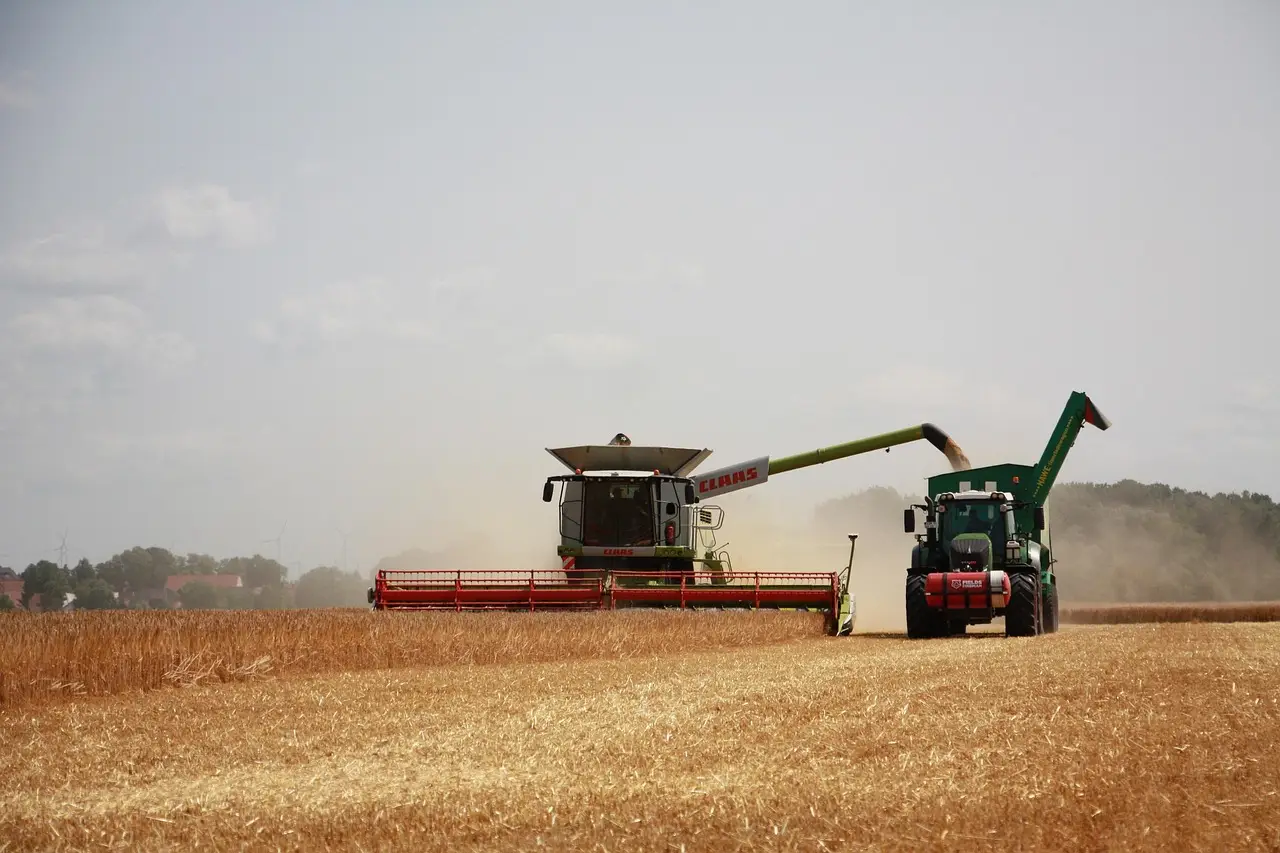
Patrick Seyer harvested above 200 bushels per acre of corn near Oran, Missouri, calling the harvest about as ideal as it could have been on his 1,400-acre corn operation. While combining soybeans, the newly named president of the Missouri Corn Growers Association said his corn crop beat expectations, even though growers nearby had anticipated more.
“We had a better-than-average corn crop,” Seyer said. “Most people down in this area expected it to be a little bit better, but it still ended up being above average.”
His account provides a farm-level result and local observation rather than a regional yield survey. During the growing season, Seyer saw few major negatives for corn farmers around Oran. The hardest period came in late summer, when temperatures stayed high and pushed crop development toward an earlier finish than he expected.
“It got really hot back in August, and it lasted for about two to three weeks,” he said. “And that might have cut back some of our yields. It shut the plants off sooner than what we were expecting.”
Seyer described moisture conditions as ideal throughout summer. The harvested grain, however, carried little moisture: fields dried faster than farmers could harvest them, and most growers in the area spent little time running corn through dryers. That separates his growing-season condition report from the final result of more than 200 bushels per acre.
The practical result: August heat may have trimmed yield potential, while favorable moisture and rapid field drying supported the harvest.
What did fertilizer and fuel do to margins?
Fertilizer was the input Seyer said hurt his wallet most. He tied higher fertilizer prices to higher commodity prices, arguing that the relationship did not make economic sense even as it persisted.
“The price of fertilizer is just a pain for us right now,” Seyer said. “When the price of our commodity goes up, the price of fertilizer goes up too. That shouldn't have a bearing on it, but that's where it rolls.”
Seyer also identified fuel prices as a challenge. He did not provide fertilizer or fuel purchase prices, application rates, drying costs, commodity basis or a dollar calculation of profit, so his comments show the direction of pressure rather than quantify his margin.
His above-200-bushel result and cost complaints describe the same farm economics: a strong crop can coexist with pressure from fertilizer and fuel. The better yield did not change his account of input expenses.
He grows both GMO and non-GMO corn. He used barely any fungicide on the GMO crop and somewhat more on the non-GMO crop. The report did not specify products, rates, application timing or comparative disease pressure, leaving the cost and agronomic difference unquantified.
For Seyer, fertilizer was the clearest margin pressure despite a better-than-average corn crop.
What are cover crops changing?
Seyer is a strong advocate for cover crops based on what he has seen on his operation. He reports better soil structure, higher organic matter and less erosion. Water now leaves the edge of his field clear rather than muddy, and cover crops have also helped limit wind erosion.
Those are field observations rather than measured results: the source provides no soil test, erosion measurement or multiyear comparison. Seyer primarily plants cereal rye and is considering annual rye for next year because it develops a deeper root.
He is battling a compaction layer and has had to pull a ripper through his fields to break up the hard layer. He hopes cover crops will address the problem, but the need for ripping shows that the constraint has not ended.
Next season, Seyer is looking to test annual rye’s deeper roots against the compaction layer, while fertilizer and fuel remain his clearest stated threats to corn margins.
via Farm Progress (Source)
More from Grace Kim
Show full bio
Correspondent covering people, launches and day-to-day practice in Agribusiness coverage for industry professionals at Agribusiness Wire.
464 articles
Also in the yard
- Kansas corn yields fall short as heat, drought erode crop potential
- Carthage, Ill., corn tracks 15-20 bushels below 2025 as wet 2026 tests Harrells
- Zeroed-Out North Dakota Corn Against Record Southern Minnesota Yields
- USDA: Corn Harvest Hits 18%, Matching Five-Year Average Pace
- Southwest Indiana Harvest Accelerates as Wet Season Dents 2026 Crop