Lot No. LOT-7804 · offered November 12, 2026
Ag Finance & InvestmentLot sheet
Farmland Values Plateau as Buyers Absorb Elevated Input Costs
Farmland values are plateauing as elevated input costs and interest rates cap expansion, but economists say producers keep buying, backed by federal payments and an 84% debt-free base in Iowa.
Market notes
- Iowa farmland is 84% debt-free, letting owners hold land through low-income periods.
- Chandio expects Iowa land value changes to stay below 5% in either direction in 2026.
- $12 billion in ad hoc disaster assistance bids up land prices, Meyer said.
- Chinese entities own about 245,000 U.S. farmland acres of 880 million total; Canada and the EU own about 34 million.
- The U.S. cattle herd is at its lowest level in 75 years.
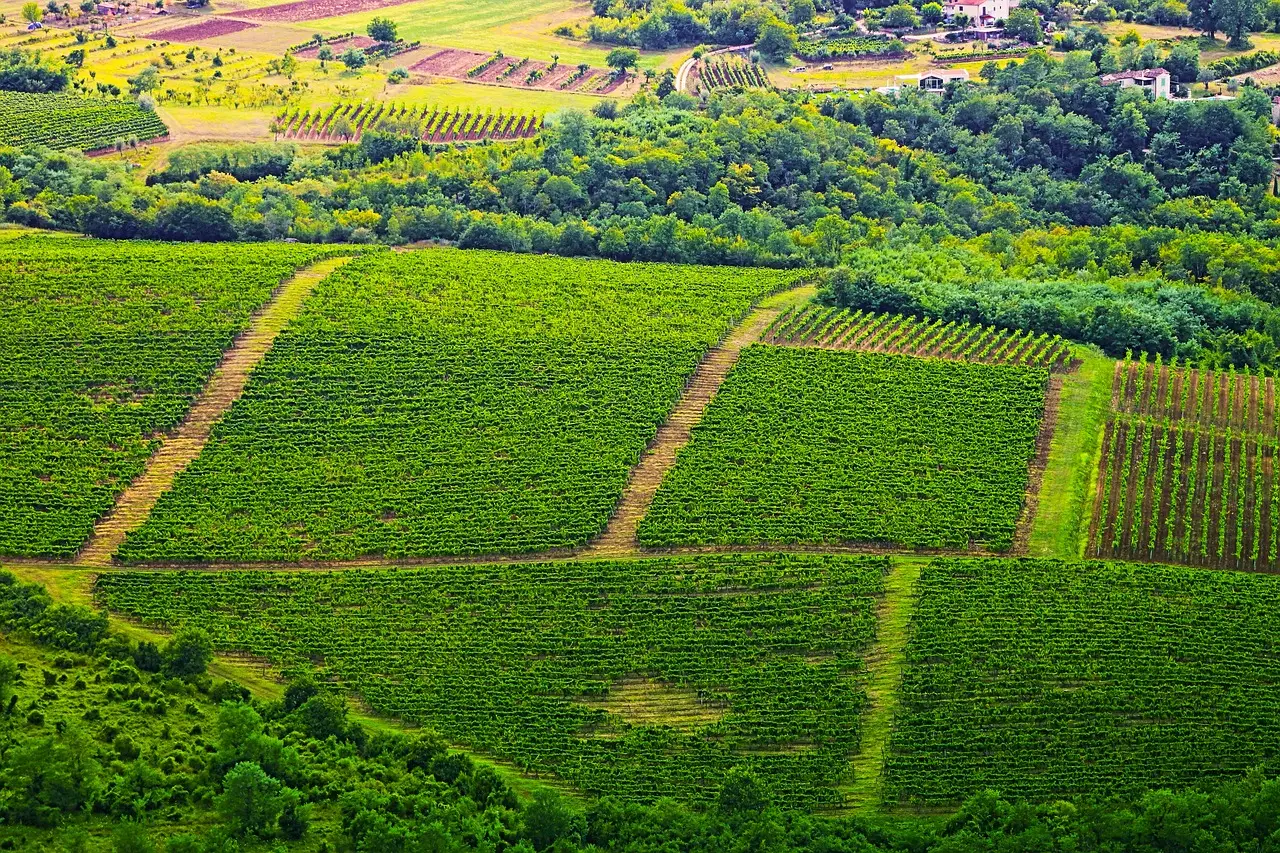
Chinese entities own roughly 245,000 acres of U.S. farmland — a fraction of the 880 million acres across the nation's 1.9 million farms — yet farmland values keep climbing on steady producer demand, even as the era of double-digit appreciation ends, according to economists tracking the market.
Ernie Goss, director of the Institute for Economic Inquiry at Creighton University's Heider College of Business and holder of the Jack A. MacAllister Chair in Regional Economics in Omaha, said his surveys of bankers show farmland value growth slowing compared with recent years. Media reports still record record-high sales in northern Iowa and Illinois. Reports from Kansas, Nebraska and Missouri show slower growth, but values have generally increased.
"The reason is farm expenses and input costs are elevated and farmers are taking a long-term view," Goss said. "If they see a piece of land with proximity to their operation they are going to take a look at it. They know it may be 40 years before it will come up for sale again and that's an incentive to buy it."
Bankers expect that trend to continue. Neighboring landowners often want adjacent property when equipment and facilities are already in place.
Where do Iowa values stand?
Rabail Chandio, assistant professor and Extension economist in Iowa State University's Department of Economics, said Iowa land values have plateaued over the past two years. COVID-era increases early in the decade and the earlier ethanol boom fueled record growth, she said.
At the end of 2025, crop-focused central Iowa saw a decline, while eastern and western edge regions with more cattle activity saw small increases. In 2026, crop margins and farm receipts showed some recovery, alongside additional government payments.
"We will probably not make any big swings, but instead of small negatives we might go into small positives," Chandio said. "I expect we will stay below a 5% change in either direction. If we go above that, it would be a surprise to me and it wouldn't be the first time I have been surprised."
Iowa State University releases its annual land value survey in December.
Why does farmland still attract capital?
Farmland is traditionally considered a safe, stable long-term investment and a reliable inflation hedge, Chandio said. Success requires local familiarity.
"Farmland is not necessarily always going to be a great short-term investment," she said. "You can't flip farmland like people flip houses."
Over 20-, 30- and even 40-year horizons, farmland has demonstrated its value compared with the S&P 500, she said. Takeaway: buyers hold for decades, not quarters.
How are production expenses shaping the market?
Goss's banker surveys show most bankers worry about agricultural equipment dealers and retailers as farmers delay major purchases. High production expenses — most notably fertilizer and diesel fuel — drive the cutbacks. Until expenses decline and align with income, farmers will have less appetite for expansion than earlier in the decade, Goss said.
Chandio said lower farm income and pessimistic sentiment have reduced transactions, and recent value changes reflect fewer sales. She noted 84% of Iowa farmland is debt-free, allowing owners to hold land through difficult periods.
Higher interest rates pressure land values through borrowing costs and operating expenses, but changes may take years to appear in values, she said. She expects improved crop receipts and government payments to offset some pressure.
Ranchland has also held its value, Goss said. The U.S. cattle herd sits at its lowest level in 75 years, which might push ranchers to expand. Extended drought has made them cautious instead, wary of forage production and water availability.
What role do federal payments play?
Seth Meyer, director of the Food and Agricultural Policy Research Institute and associate professor at the University of Missouri's Division of Applied Sciences, said farmland value increases often correlate with federal payments.
"Do you think that injecting $12 billion in ad hoc disaster assistance has no effect on land prices?" Meyer asked. "Where does the money go if I'm renting land and the government gives me a check? I bid higher on my land."
Meyer served as USDA chief economist from January 2021 through December 2025. He spoke at High Plains Journal's Crops and Cattle Conference and Tradeshow in August in Kansas City, Missouri.
Do data centers and foreign buyers move markets?
Outliers such as data centers and renewable energy projects can affect local values but have little national effect, Meyer said. Goss said data center discussion has cooled in recent months in Nebraska and other states.
Lawmakers have voiced concern about Chinese farmland purchases, but Meyer said the data do not support those fears. Canada and the European Union own about 34 million acres, per USDA's 2023 figures; Chinese entities own about 245,000 acres of the roughly 880 million acres in 1.9 million U.S. farms.
Foreign ownership has not grown faster because returns depend on cash flow, long-term results and management expertise, Meyer said.
In Nebraska, investor groups from Omaha are interested in buying land, Goss said. Iowa restricts corporate farmland ownership, so investors there are typically individuals rather than pension or investment funds; some southern Iowa investor activity involves hunting and recreational land.
Meyer told conference attendees that high production expenses have pressured farm finances, but agricultural land has held its value. He cautioned that the National Agricultural Statistics Service relies on farmer input rather than transaction records for its reports.
With USDA land value surveys due in December and ad hoc payments still flowing, the market's next test is whether improved receipts can outrun fertilizer, diesel and interest costs.
via High Plains Journal (Source)
More from Grace Kim
Show full bio
Correspondent covering people, launches and day-to-day practice in Agribusiness coverage for industry professionals at Agribusiness Wire.
501 articles
Also in the yard
- Cash Flow, Not Land Prices, Should Drive Rent-or-Buy Decisions, K-State Economist Says
- Iowa Farmland Sales Accelerate on Grain Price Strength
- Iowa Farmer Sees Turning Point in USDA Data Overhaul
- Purdue Survey Shows Indiana Farmland Values Leveling Off
- Farmers National Acquires CommonGround to Digitize Farmland Leasing