Lot No. LOT-3319 · offered November 6, 2026
Ag Finance & InvestmentLot sheet
Cash Flow, Not Land Prices, Should Drive Rent-or-Buy Decisions, K-State Economist Says
US farmland values sit at inflation-adjusted historic highs while net farm income tightens. Kansas State economist Brian Briggeman says cash flow, not appreciation, should decide rent-or-buy calls.
Market notes
- US farmland values are at historically high levels adjusted for inflation, even as net farm income tightens.
- K-State research found some China trade-dispute payments exceeded estimated market losses, boosting land demand.
- Much US farm ground is owned by landowners aged 75 or older and set to change hands.
- Briggeman urges producers to stress-test projections against worst-case scenarios before renting or buying.
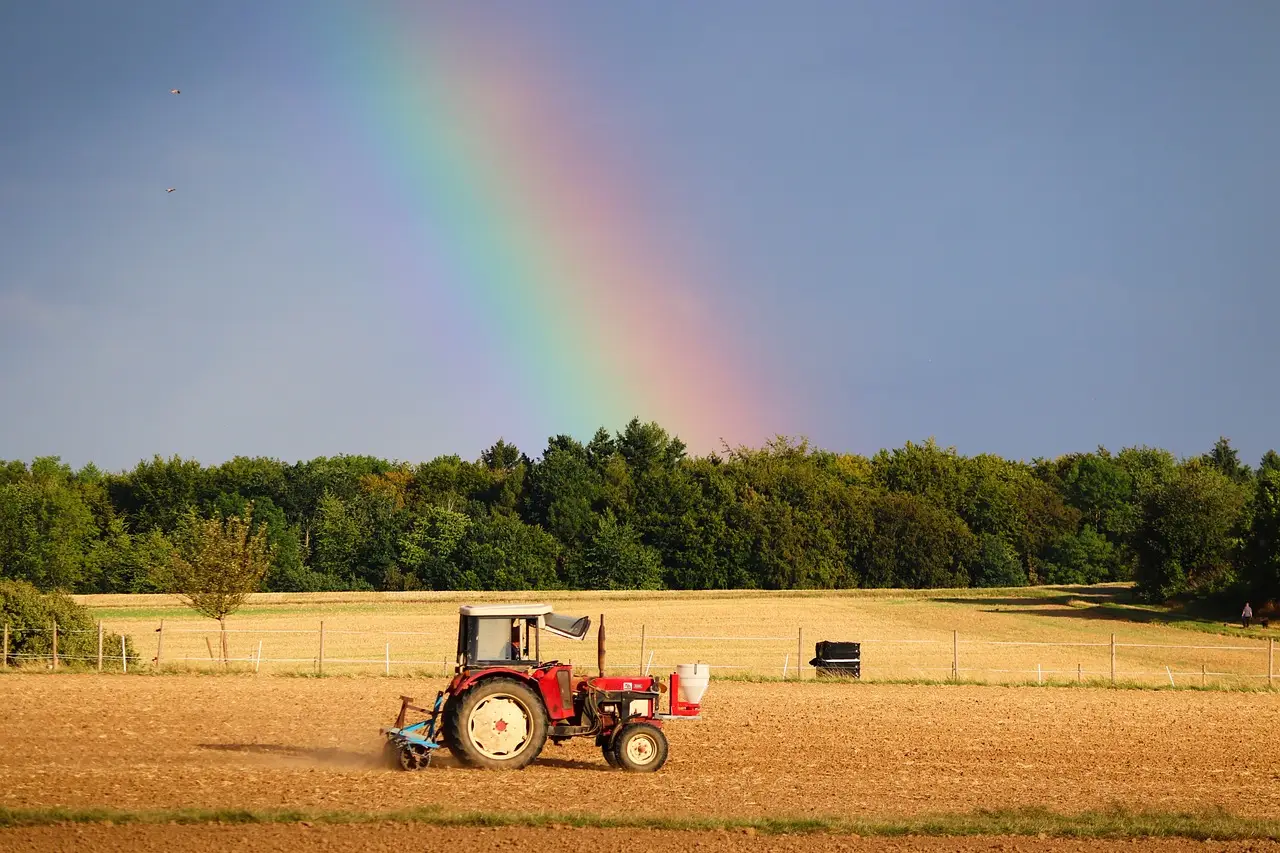
US farmland values stand at historically high levels after adjusting for inflation, and Kansas State University agricultural economist Brian Briggeman says that record pricing should be the last thing producers look at when deciding whether to rent or buy acres. Cash flow comes first.
"At the end of the day, you got to make a cash flow," Briggeman said. Land prices and potential appreciation matter, but a purchase that cannot service its own debt drains the operation that made it.
His checklist runs wider than price: financial position, long-term growth plans, borrowing capacity, and the stability of relationships with landowners all shape whether expansion helps or hurts.
What is holding land values up?
Values have kept climbing even as net farm income tightens — a mismatch Briggeman treats as structural rather than speculative. Supply of farmland is essentially fixed. Demand stays strong, and farmers themselves are the primary buyers.
"If an acreage comes up for sale, that may be the once-in-a-lifetime opportunity to buy it because it's a really thin market," Briggeman said. "That really adds to the demand and pulls prices up."
Government payments have added fuel. Research by Briggeman's K-State colleagues on payments made during the trade dispute with China found some payments exceeded the estimated market disruption. When payments exceed losses, the surplus can support expansion, and larger growth-oriented operations can bid that money into land.
Low interest rates in previous years made borrowing cheaper; even with rates now higher, the combination of strong demand, thin supply and extra financial support has held values in place.
The takeaway: today's land prices reflect thin supply and past support payments, not necessarily what an individual operation can afford.
Why renting can carry a young operation
Renting lets producers expand acreage without the debt of a purchase, and Briggeman calls it one of the best ways for younger farmers to grow while preserving the option to buy later.
A demographic window is opening. "We're in a period where there's a lot of farm ground that is currently owned by landowners 75 years or older, and that's going to start changing hands," he said. "They're looking for good farmers to come in and farm that ground."
Renting carries its own risks. Producers do not control whether a landowner renews a lease, and that uncertainty complicates decisions on machinery, labor and other investments. Before signing, Briggeman said, check the lease's duration, whether it is reviewed annually, and the landowner's plans for the property.
"If I start to add additional amount of machinery or labor in order to support this extra ground I'm bringing on, how confident am I I'm going to be able to continue to farm that rented ground?" he asked.
A strong landowner relationship reduces that uncertainty. Farmers who rent from the same owner for years and steward the ground responsibly may also get first crack at buying it — conversations worth starting early, he said.
In short: rent to grow, but match capital commitments to how secure the lease really is.
What does buying demand?
Ownership builds equity that supports future borrowing and adds financial flexibility — if the operation can carry it. Briggeman said buyers should run a net present value calculation covering both the land's income and its appreciation.
"If I'm going to buy it, I'm buying it as a long-term asset," he said.
The catch: projected benefits cannot replace the cash needed for annual debt payments and operating expenses. Younger farmers with limited assets face real pressure buying high-priced land in a downturn; operations with stronger balance sheets can manage the same deal. Buyers should also budget for property taxes, maintenance and insurance, and examine mineral rights, water rights, easements and the property's physical condition before committing capital.
Stress-test the numbers
The biggest mistake, Briggeman said, is assuming initial projections hold. "You need to stress it. I just think we need to do our due diligence in considering that worst-case scenario and running different numbers," he said, warning that any deal can be made to "look great and kind of convincing" on paper.
A purchase that works in an average year can buckle in a poor one; a fixed cash rent comes due regardless of the crop. Farmers should size debt against reserves and their stage in the business life cycle.
"Right now, a lot of farmers are having to have conversations with their lender about borrowing money to get through this difficult time and term out some of these losses," Briggeman noted.
Ownership can be a source of pride and a growth strategy, he said — but only if the cash flow survives the worst year, not just the average one.
via High Plains Journal (Source)
More from Olivia Hart
Show full bio
News editor covering technology and product news in Agribusiness coverage for industry professionals at Agribusiness Wire.
480 articles