Lot No. LOT-2231 · offered October 30, 2026
Ag Finance & InvestmentLot sheet
DoorDash Bets $17 Billion on Instacart as Agtech Capital Keeps Flowing
DoorDash agreed to buy Instacart for $17 billion, while Terradot closed $34M in debt and Biosphere won a Pentagon contract in a busy week for agrifood capital.
Market notes
- DoorDash agreed to acquire Instacart for $17 billion.
- Terradot closed $34 million in debt financing for carbon removal projects.
- Biosphere won a Pentagon contract to scale production of key chemicals.
- ADM and Concern Worldwide expanded their Kenya program to 17,500 smallholders.
- Volare opened a 5,000-ton insect protein factory in Finland.
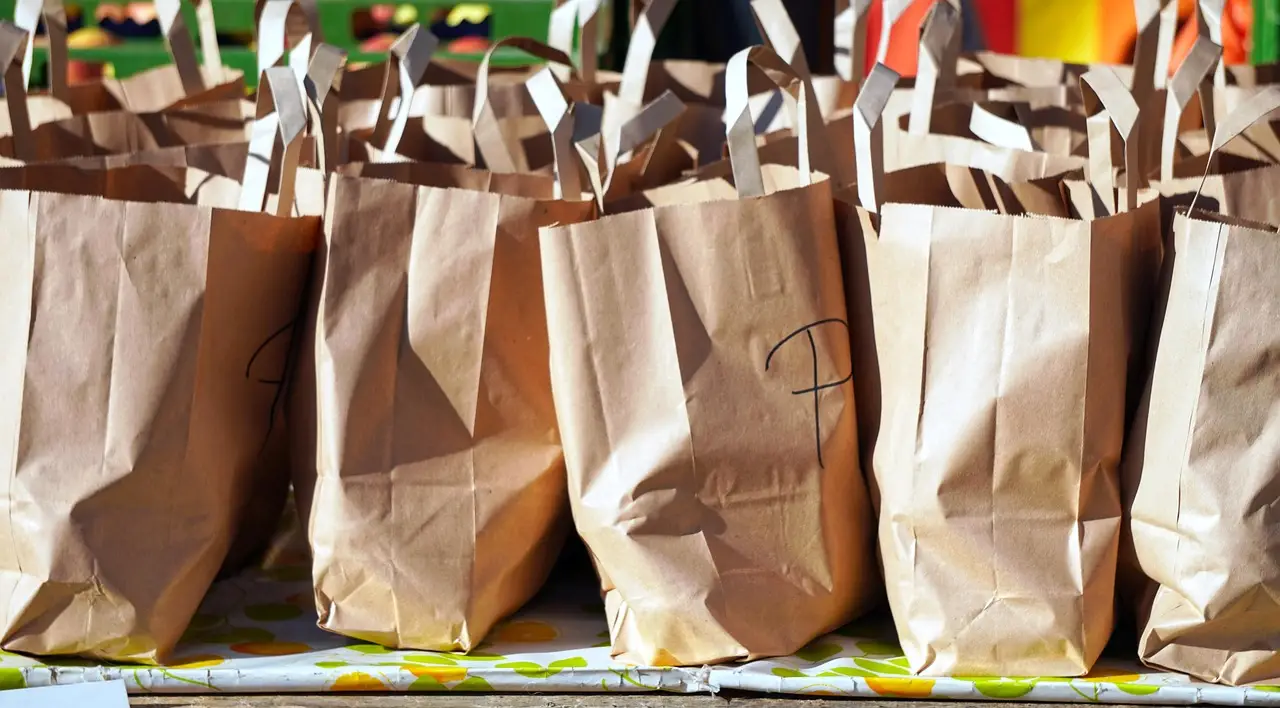
DoorDash has agreed to buy Instacart for $17 billion, uniting two delivery giants in the largest deal of the week in agrifood technology. The acquisition, reported by the New York Times, headlines a capital cycle that also produced $34 million in debt financing for carbon removal developer Terradot and a Pentagon production contract for chemicals startup Biosphere.
The $17 billion price tag would combine DoorDash's restaurant delivery network with Instacart's grocery relationships, giving agrifood suppliers a single, far larger digital shelf. For producers selling through retail channels, scale of that order tends to reshape listing terms, delivery fees and data access — the practical questions any grower cooperative negotiating with online platforms will now face.
Where the money went this week
Carbon removal and compliance drew the largest single cheques. Terradot, a US-based developer, closed $34 million in debt financing to advance carbon removal projects, Axios reported. In the United Kingdom, Epoch raised $4.25 million to help small and medium-sized enterprises comply with the EU Deforestation Regulation, the supply chain rule that now shapes export paperwork for coffee, cocoa, soy and cattle producers.
Other funding rounds spanned four continents:
- Strella (US): $4.25 million. The Seattle agtech startup pays off watching fruit ripen, using sensors to time harvests.
- OC Global into ECONUTI: a strategic investment by the Japanese firm in the Vietnamese company.
- FLTRD (Netherlands): €500,000-plus, raised as Brussels scrutinises ultra-processed food, to scale across Europe.
- Senara (Germany): a lab-grown milk startup landing investment from LIOF, the Limburg regional development agency.
- IntegriCulture (Japan): backing from Niigata to build cell agriculture around the country's brewing industry. AgFunderNews disclosed that its parent company, AgFunder, is an investor in IntegriCulture.
On the fund side, Ground Up Investing reached a first close on a $20 million agricultural debt fund, a vehicle aimed at filling the credit gap that conventional lenders often leave in farm country.
What does the Pentagon contract signal for agtech?
Biosphere, a startup, won a US Defense Department contract to scale up production of key chemicals, Breaking Defense reported. The award shows how defense procurement can pull biomanufacturing capacity into existence faster than food or agriculture markets alone. Dual-use buyers with large budgets are becoming a realistic second revenue line for fermentation and biorefinery startups whose first market was feed, food or fertilizer.
Compliance, retail and regenerative finance
Several developments touched farm-level economics directly. ADM and the NGO Concern Worldwide expanded their Kenya farmer program to reach 17,500 smallholders, a near-doubling of reach for a corporate-backed extension effort. The European Union opened new calls for proposals aligned with its CRCF carbon removal certification regulation, which will determine how European farmers can monetise verified carbon work.
Belgian-French venture Soil Capital unveiled a partnership model that lets agrifood corporates finance regenerative agriculture directly, an alternative to waiting on public subsidy. In US retail, Oishii brought its indoor-grown strawberries to Walmart, expanding its presence on the national shelf.
Regulation also moved in the protein sector. Formo and Those Vegan Cowboys secured FDA GRAS letters to sell cow-free casein — precision fermentation dairy protein — in the United States, clearing a regulatory hurdle that plant-based dairy developers have watched for years.
Capacity and people moves
Finland's Volare opened a 5,000-ton insect protein factory and is already exploring a second plant, a sign that insect-based feed capacity is graduating from pilot to industrial scale. TurtleTree moved its headquarters to the Netherlands and signed a women's health research deal with NIZO; founder and CEO Fengru Lin continues to lead the precision fermentation company. Australia's Stacked Farm laid out its long-term strategy for vertical farming ahead of a US expansion.
Personnel changes crossed sectors. Nofence, the virtual fencing company, named Kalon Armstrong managing director for Canada. Luke J. Lindberg was appointed executive director of the World Food Programme. Todd Pester joined Vylor as vice president of R&D, innovation and operations.
The week's pattern is clear: delivery consolidation at the top, compliance and carbon capital in the middle, and industrial-scale capacity — insect protein, fermentation casein, Pentagon chemicals — moving from slides to steel.
via axios.com (Original)
More from Marcus Bennett
Show full bio
Senior reporter covering regulation, policy and their impact on Agribusiness coverage for industry professionals at Agribusiness Wire.
444 articles