Lot No. LOT-1632 · offered October 23, 2026
Ag Finance & InvestmentLot sheet
Capital Flows and Carbon Credits: AgTech's Week in Numbers
USDA unveils an $8 billion Harvest Fuel Relief Program, Bison Ventures raises $160 million, and Danone backs a $40 million biogas plant in a week of uneven agtech capital flows.
Market notes
- Trump administration announced an $8 billion Harvest Fuel Relief Program on October 19.
- Bison Ventures raised $160 million for frontier-tech startups.
- Danone is partnering on a $40 million Ohio facility converting yogurt waste to renewable energy.
- Citi closed a $72 million carbon-removal-linked note for a Texas biochar project.
- Terraton issued first biochar credits for 97,240 tonnes with a $1.5M HSBC debt deal.
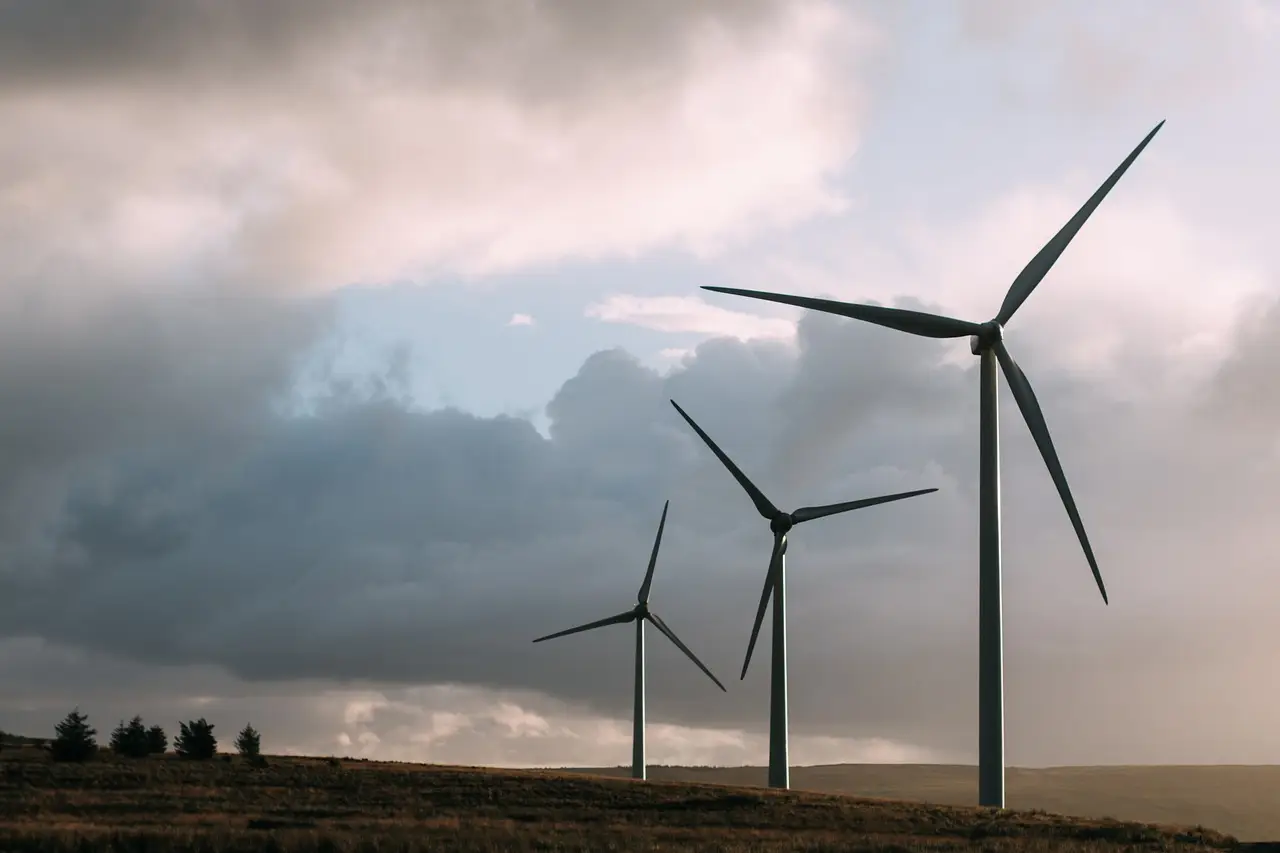
An $8 billion federal farm-fuel program and a $160 million frontier-tech fund anchor a week in which agtech capital kept flowing — unevenly — into biologicals, AI and carbon removal.
What is Washington putting on the table?
The Trump administration announced an $8 billion Harvest Fuel Relief Program on October 19, per a USDA press release. The scale is large; the details on eligibility, payment timing and per-gallon relief levels are not yet public, so growers should treat the headline figure as a commitment rather than a check. Takeaway: an $8 billion promise means little until USDA publishes the payment mechanics.
Who raised money this week?
Private capital spread across seven deals, from early-stage biologicals to cultivated-meat tooling:
- IMIO (US) — $12 million to develop "dependable ag biologicals" that release nutrients trapped in crop residues, a direct play at cutting synthetic fertilizer spend.
- Electric Plant Company (US) — $11.2 million out of stealth, anchored by a foundation AI model for plants called Bombadil.
- Kodama (US) — $7 million to scale physical AI for what it calls "intelligent forestry."
- Pythag Tech — $4.25 million to use AI and machine learning to make cultivated meat production faster and cheaper.
- Kinish (Japan) — $3.1 million to expand rice ice cream sales and develop rice-grown casein.
- Ganiga (Italy) — €2.5 million to expand AI-powered food waste technology.
- PickTrace (US) — an undisclosed investment from Terminus Capital Partners.
Fund-level money also moved. Bison Ventures raised $160 million to back frontier-tech startups, the Wall Street Journal reported — the week's largest private pool. Ground Up Investing reached a $6 million first close on its second agriculture fund, a modest figure that signals early-stage ag VC remains hard to raise.
Not every signal pointed up. Carbon Robotics confirmed layoffs, saying it is "realigning costs due to broader economic conditions" — a phrase that rarely accompanies good news.
Where does Danone's yogurt waste go?
Danone is partnering on a $40 million facility in Ohio that converts yogurt waste to renewable energy, Food Dive reported. The centerpiece is an industrial anaerobic digester, built by PurposeEnergy, that will process residuals from Danone's nearby yogurt factory into biogas. The digester is already built — the aerial images show a completed plant — which separates this project from the many renewable-energy announcements that never pour concrete. Takeaway: a finished digester attached to a working factory is a stronger claim than a construction pledge.
Are biochar carbon credits finally real money?
Two transactions suggest an emerging market, with caveats attached. Citi closed a $72 million carbon-removal-linked note tied to a Texas biochar project, according to ESG News. Separately, Terraton issued its first biochar carbon credits and signed deals for 97,240 tonnes plus a $1.5 million debt facility with HSBC.
The numbers mark a shift from pilot pledges to contracted volumes. But 97,240 tonnes of credits represent sales, not delivered removals, and the durability of biochar pricing depends on verification standards that vary by registry. Takeaway: biochar has buyers now; whether it has a durable price is next year's question.
What else moved?
M&A and partnerships stayed modest. Lumi AI was acquired by Newforma as agentic analytics gathers pace (AgFunder, AgFunderNews's parent, is an investor in Lumi AI). Israel's Brevel teamed up with India's Wave Group to scale "illuminated fermentation." TARC Founders and Steiger Family Office acquired GEM, a cattle management software pioneer, for an undisclosed sum.
In hardware, Aigen launched a four-arm robot that pulls weeds without herbicide (AgFunder is also an Aigen investor). Reservoir Farms expanded to the Pacific Northwest to accelerate physical AI, with membership topping 30.
The week carried warnings too. A hacker told The Verge they broke into John Deere and SharkNinja using an army of AI agents — a reminder that farm-data platforms are attack surface, not just agronomy. Taiwan blocked Grab's $600 million Foodpanda acquisition. A new global index highlighted vulnerabilities in protein supply. And Solar Foods said Godert Zijlstra will leave his management position at year-end, an organizational change the Finnish company disclosed without naming a successor.
The through-line: capital is concentrating in AI, biologicals and carbon, and the firms that cannot show results — Carbon Robotics among them — are cutting first. How many of this week's funded claims survive contact with a growing season is the number to watch.
via businesswire.com (Original)
More from Olivia Hart
Show full bio
News editor covering technology and product news in Agribusiness coverage for industry professionals at Agribusiness Wire.
463 articles
Also in the yard
- USDA Commits $8 Billion in CCC Fuel Relief; Payments Rest on 2026 Estimates
- Trump Announces $8 Billion Harvest Fuel Relief Program for Farms
- USDA Rolls Out $8 Billion Harvest Fuel Relief Program
- USDA to Deploy $1 Billion for Regenerative Pilot Program in 2027
- USDA Lifts Regenerative Ag Pilot to $1 Billion for Fiscal 2027