Lot No. LOT-3549 · offered October 13, 2026
Ag Finance & InvestmentLot sheet
Edonia leads €15M agtech round as Purdue sentiment cools
Edonia raised €15 million for spirulina protein while a Purdue index drop signals producer margin pressure. Six agtech rounds, a $2.3B Uber Eats-ezCater deal and USDA regenerative pilot expansion frame the week.
Market notes
- Edonia raised €15 million to scale spirulina protein positioned as an alternative to meat, the largest disclosed agtech funding round of the week.
- Uber Eats agreed to acquire ezCater for $2.3 billion, consolidating corporate-catering demand with on-demand delivery.
- The Purdue University farmer sentiment index declined as respondents ranked input costs as the top pressure on margins.
- Grand Farm secured a $5 million federal grant to build a year-round indoor agtech test track in North Dakota.
- The National Fish and Wildlife Foundation launched an $18 million fund to protect Great Plains grasslands through working-lands payments.
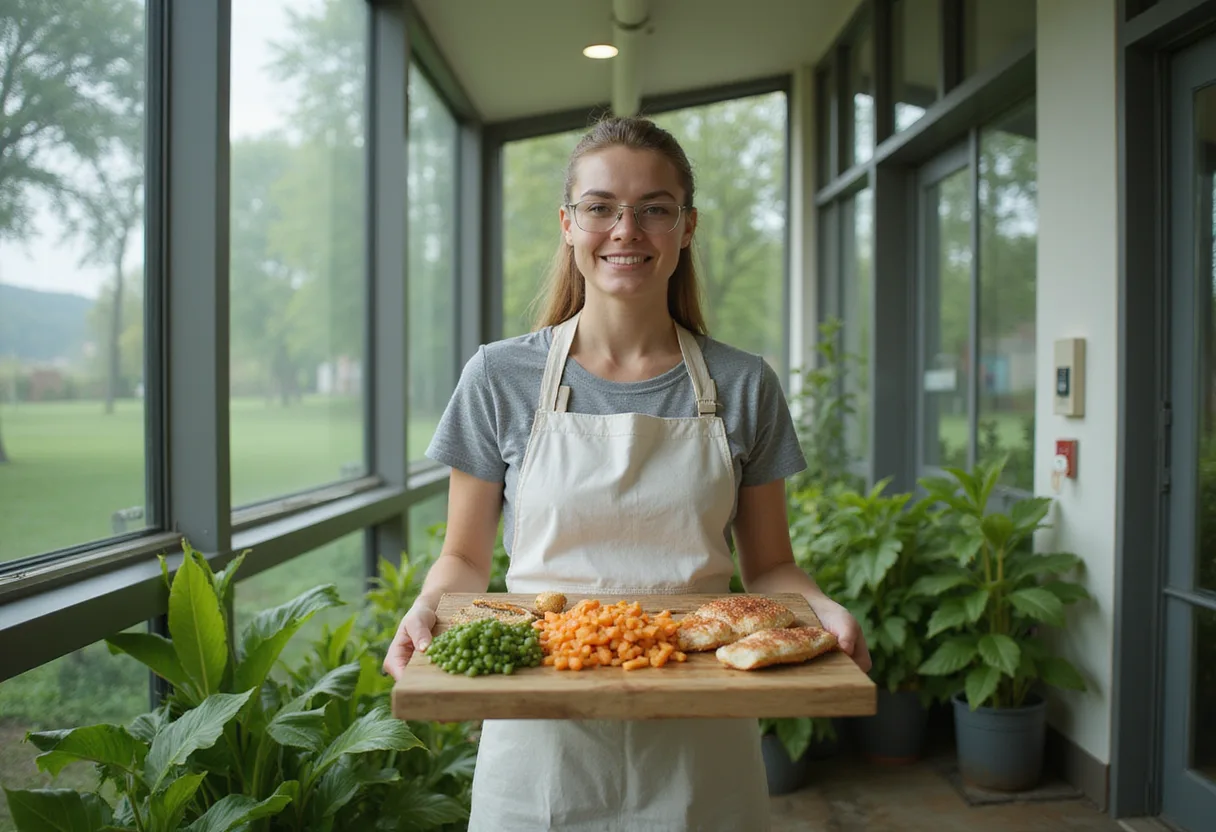
Edonia, a Paris-based microalgae producer, raised €15 million to scale spirulina protein positioned as an alternative to meat, the largest disclosed agtech funding round in a wave of European and U.S. deals.
What other agtech rounds are moving capital?
French and German startups dominated the early-stage side of the table. Berlin-based hexafarms closed €4.8 million to sell greenhouse sensors and scouting robots under a subscription model, a pricing structure that converts capital outlay into an operating line item for produce growers. Bavaria's Finches, a female-founded procurement startup, raised €2 million to deliver AI-driven early warnings to agricultural sourcing teams, a category pitched at buyers rather than producers.
In the Americas, Brazil's BioLinker secured $1.7 million to build an automated biotech laboratory in the Amazon basin, while India's Myca collected $1.3 million in pre-seed funding (capital raised before a formal seed round, typically to validate product-market fit) to deploy AI agents across agribusiness field operations. U.S.-based Kutlerri.ai raised $4 million to expand AI agents serving restaurant sales and back-office costs, adjacent to agribusiness through foodservice procurement channels.
What does the largest M&A deal of the week change for supply chains?
Uber Eats agreed to acquire ezCater for $2.3 billion, a deal that consolidates corporate-catering demand with on-demand delivery and could pressure foodservice distributor margins. Beam Global will acquire drone technology firm ScoutDI for approximately $24 million, extending its reach into field robotics.
In the supply-chain software category, PepsiCo and Grimme are piloting virtual-reality tools to compress supplier waste, a collaboration targeting the rejection rate at intake that erodes farm margins on potato and root-crop contracts.
Where is new public and philanthropic capital entering the agronomy stack?
The National Fish and Wildlife Foundation launched an $18 million fund to protect Great Plains grasslands, a working-lands program that pays ranchers for retention of native cover. Grand Farm, the North Dakota-based test bed for autonomous and controlled-environment agriculture, secured a $5 million federal grant to construct a year-round indoor agtech test track. USDA's Regenerative Pilot Program will expand funding availability for farmers in 2027, though per-acre payment rates and eligible practice codes have not been published.
What does the Purdue sentiment drop signal about producer margins?
The Purdue University Center for Commercial Agriculture recorded a decline in its monthly farmer sentiment index, with respondents citing input costs as the primary pressure on margins. The reading matters because the index tracks producer expectations for cash flow and capital purchases 12 months forward; a sustained pullback typically defers orders for iron, seed treatment upgrades and precision hardware.
Who is moving where in agribusiness leadership?
Vonnie Estes will retire from the International Fresh Produce Association after a tenure linking fresh-produce growers with innovation programs. Biotalys, the Belgian biocontrol developer, appointed Christine Berwaerts and Ioana Tudor as independent directors, a governance change timed to its pipeline of microbial crop-protection candidates. Brijesh Krishnaswamy has joined Beyond Meat as chief operating officer. Vylor, the company Corteva created to "reimagine agriculture," completed its separation this month.
What else shifted in inputs and policy?
Enko Chem announced a research expansion into new crop-pest targets, a pipeline addition competing for share with the synthetic-chemistry development programs at Bayer and Syngenta. China published a strategy to foster 10,000 "high-potential" agtech firms as part of a drive toward self-reliance in farm science, a national-level commitment that, if funded at scale, will reshape the global pipeline for plant genetics, sensors and farm robotics.
The next checkpoint for practitioners is the December release of the Purdue Ag Economy Barometer, which will show whether October's input-cost concerns translated into deferred equipment purchases.
via tech.eu (Original)
More from Rebecca Stone
Show full bio
Market editor covering people, launches and day-to-day practice in Agribusiness coverage for industry professionals at Agribusiness Wire.
431 articles
Also in the yard
- Corteva and Inari Settle Seed Patent Fight as Agtech Capital Flows
- FMC Shares Plunge 35%, USDA Puts $180M Into Seed Research
- Biographica Raises $9.5M for AI Crop Design, Lands BASF Partnership
- Bayer Leads Investment in Robigo's Crop Protection Platform
- xFarm Technologies Buys Sibium Analytics to Enter Sugarcane, Biofuels