Lot No. LOT-9465 · offered October 29, 2026
Ag Finance & InvestmentLot sheet
Royal Canin and Roquette Co-Finance Regenerative Wheat Transition
Royal Canin and Roquette will co-finance regenerative practices on 60+ French farms across 4,700 hectares, with farmers keeping 70% of Soil Capital Credits.
Market notes
- The partnership covers more than 60 farms across over 4,700 hectares in France's wheat supply shed.
- Farmers will receive 70% of the Soil Capital Credits generated by transition results.
- All farm data is verified under ISO 14064-2 by TÜV Rheinland with independent annual audits.
- Roquette uses mass balance allocation; Royal Canin uses economic allocation for carbon accounting.
- Both companies are exploring replication of the co-financing model with other partners, crops and geographies.
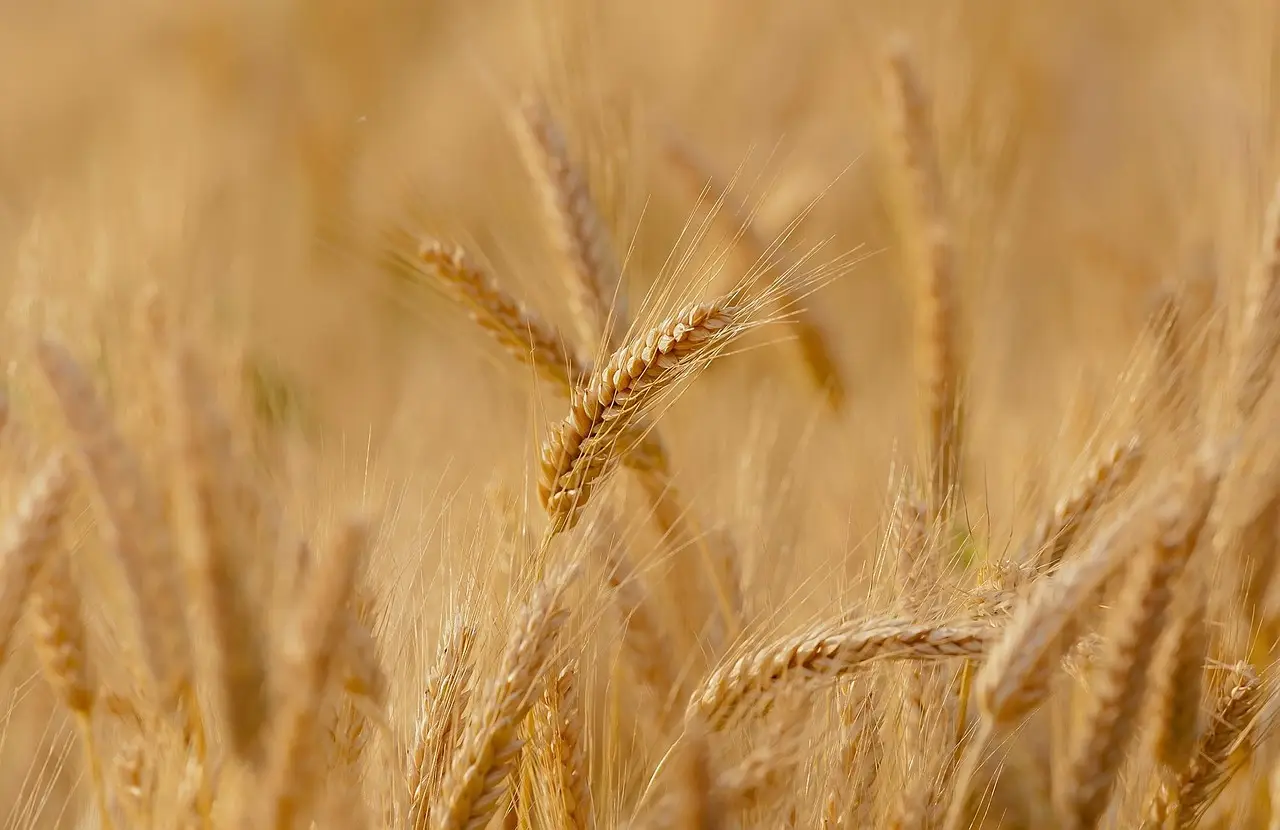
More than 60 farms across 4,700 hectares of France's wheat supply shed will receive co-investment from Royal Canin and Roquette under a new regenerative agriculture financing model that shifts upfront transition costs off growers and spreads them along the supply chain.
Ingredients supplier Roquette supplies wheat to Royal Canin, the Mars-owned pet food maker. Through a partnership with Soil Capital, both companies will now jointly fund regenerative practices on the farms that supply that wheat. Farmers who join the program will keep 70% of the Soil Capital Credits generated by results such as sequestered carbon.
The deal answers a question agrifood has debated for years: who pays when a farmer switches to regenerative practices. Transition typically demands upfront capital for new equipment, cover crops and reworked crop rotations. Until now, farmers either absorbed those costs themselves or joined a corporate insetting program with no guarantee of economic support.
"We believe that a joint investment model is the most effective way to drive large-scale adoption of regenerative agriculture," Magali Amouroux, sustainability manager at Roquette, told AgFunderNews. "By sharing both the costs and the value created across the supply chain, this approach helps reduce the financial burden on farmers, aligns incentives among stakeholders and ensures a fair distribution of benefits."
The promise of shared cost is easy to state; the companies did not disclose how the investment is split between them or what the per-hectare support amounts to.
How does one dataset serve two carbon accounting methods?
Soil Capital acts as the bridge between two incompatible measurement approaches. Royal Canin uses economic allocation, common in pet food. Roquette uses mass balance allocation, the standard in the starch industry. Because the methods differ, the companies' carbon figures are not directly comparable, which risks discrepancies and double counting of outcomes.
"What you need is a third party that has a robust MRV [monitoring, reporting, and verification] framework that is compliant to external guidelines," said Luc Beerens, global director for sustainable sourcing at Royal Canin.
Soil Capital will handle monitoring, measurement and farm-level data collection. All farm data undergoes third-party verification under ISO 14064-2 by TÜV Rheinland, with independent annual audits. The design lets each company keep its own accounting methodology while drawing on one verified dataset.
"As long as you base it on the right farmer data, there's no double counting," Beerens said.
"By managing data traceability for both companies, Soil Capital enabled us to work together on the same program while maintaining our respective accounting methodologies and avoiding double counting of environmental benefits," Amouroux said.
Independent annual audits are the stated safeguard; the release offers no figures yet on verified carbon outcomes, since the transition has only just begun.
Why now? Europe's regulatory clock
Beerens ties the partnership to Europe's tightening regulatory frame: the Carbon Removals and Carbon Farming (CRCF) certification, Europe's first government-backed framework for carbon removals, and the Corporate Sustainability Reporting Directive (CSRD), which requires companies to report environmental impact across their value chains.
"We are building partnerships that are needed when [these regulations] come into play," he said. "We obviously need more."
Both companies say they are exploring replication of the co-financing model with other partners. "We would like to engage more customers who share our sustainability ambitions to jointly finance the agricultural transition while ensuring its benefits and risks are shared along the value chain," Amouroux said.
She framed the Royal Canin deal as proof that divergent carbon allocation methods need not block collaboration, calling it "a replicable model that could be extended to other crops and geographies." Beerens added that the companies are in it for the long-term transition to cut their carbon footprint and make supply sheds more resilient.
No timeline, budget or target number of additional farms has been disclosed, so the model's scale-up remains a stated intent rather than a measured result.
via royalcanin.com (Original)
More from Olivia Hart
Show full bio
News editor covering technology and product news in Agribusiness coverage for industry professionals at Agribusiness Wire.
469 articles
Also in the yard
- Verdex Capital Backs IIF's Farm Investment Platform Push Into Canada
- Green Plains Launches Farm Forward to Pay Growers for Regenerative Value
- Mondelez Canada Anchors Area One Farms Fund V Raise
- USDA Expands Regenerative Agriculture Pilot Amid Conservation Funding Fight
- ADM Regenerative Programs Reach 56,000 Farmers, 4.6 Million Acres