Lot No. LOT-9243 · offered November 11, 2026
Commodity MarketsLot sheet
Disease Outbreaks Drag on EU Milk Deliveries in 2026, USDA Says
Shamonda virus has reached 16 French departments, and USDA's FAS expects disease pressure and succession failures to cut EU milk deliveries and speed farm closures through 2026.
Market notes
- Shamonda virus confirmed in 16 French departments as of August 20, 2026, with nationwide circulation imminent per FAS.
- BTV-3, first detected in 2023, keeps spreading in France while the Netherlands reported no bluetongue in 2026.
- Spain lifted lumpy skin disease restrictions on April 29, 2026; Italy still reports outbreaks.
- Arla and DMK merged on June 1, 2026, forming Europe's leading dairy cooperative.
- FrieslandCampina and Milcobel finalised their merger on January 1, 2026.
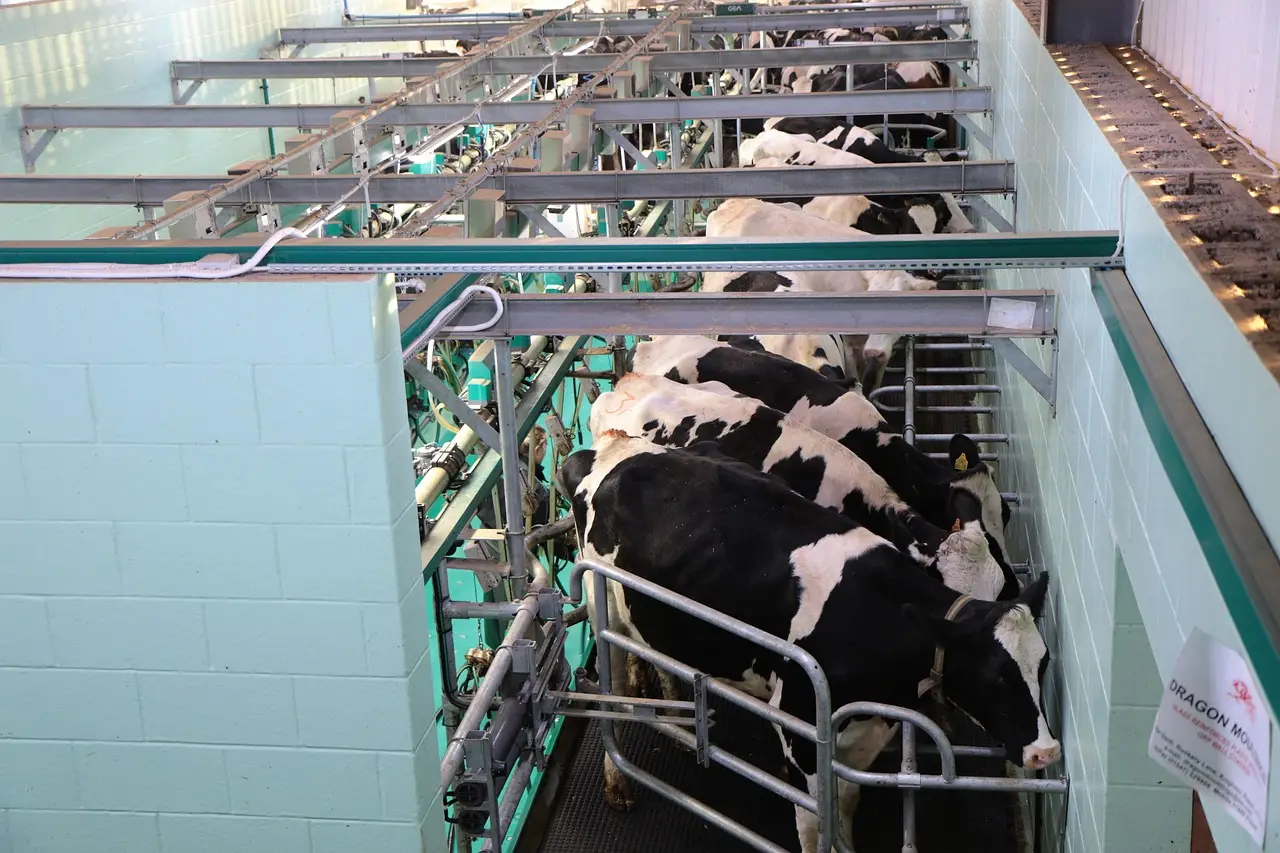
Shamonda virus has spread to 16 French departments as of August 20, 2026, and the US Department of Agriculture's Foreign Agricultural Service expects disease pressure, combined with a generational handover problem, to push EU milk deliveries down and accelerate farm closures through the year.
The FAS assessment, published by its Foreign Agricultural Service, names three diseases bearing down on European dairy herds: bluetongue virus (BTV), lumpy skin disease (LSD) and the newly spreading Shamonda virus. None typically kills dairy cows outright. But all three can cut milk yield temporarily, impair fertility and raise mortality enough to shrink cattle inventories and trim production.
Bluetongue has been moving through southern Europe since the late 1990s, and new serotypes have circulated in northern Europe since 2006. The current driver is BTV-3, first detected in northern and western Europe in 2023, which has since spread to neighbouring countries. Only some eastern member states retain BTV-free status. Many affected members vaccinate.
The 2026 picture is uneven. The Netherlands has recorded no BTV detections this year, reportedly because immunity built up through prior infection and vaccination. German cases have declined considerably against the previous two years. In France, BTV-8 outbreaks have fallen sharply, but BTV-3 keeps spreading.
Epizootic haemorrhagic disease, confirmed in western France in 2025, has trended down, with no new outbreaks since June 1, 2026. Lumpy skin disease entered the EU in 2025, first in Italy, then France and Spain. France has found no new LSD outbreaks since January 2, 2026. Spain lifted its restrictions on April 29, 2026, after control measures and vaccination campaigns. Italy, by contrast, is still reporting outbreaks.
What does Shamonda change for dairy producers?
Shamonda is the least mapped threat. It moved rapidly across France through 2026, and FAS sees nationwide circulation as imminent. Spain has confirmed type 1 on cattle farms in Cordoba, Toledo, Avila and Madrid, and type 2 in Cantabria. Germany has found cases mostly in the south, in Baden-Wuerttemberg.
Culicoides midges and the movement of infected, often asymptomatic animals transmit the virus. It strikes cattle of all ages and reproductive stages, and veterinarians are watching for a wave of abortions in both dairy and beef herds. Its true prevalence in dairy herds is unknown, because Shamonda infections are not mandatorily reportable. That reporting gap leaves processors and planners without the herd-level data they would need to size the production risk.
Consolidation gathers pace
FAS ties the disease burden to a second trend: young farmers are not taking over farms, and the agency expects further market consolidation and farm closures throughout 2026. Two mergers already define the new landscape. On June 1, 2026, Denmark's Arla Foods and German processor DMK merged under the Arla name to form Europe's leading dairy cooperative. Farmer members of both approved the deal in June 2025, and the European Commission cleared it in May 2026. Dutch FrieslandCampina and Belgian Milcobel finalised their merger on January 1, 2026, after Commission approval in October 2025.
For EU milk supplies, the direction of travel is now set by biology and demography together. Fewer, larger cooperatives will absorb milk from fewer, pressured farms while disease outbreaks continue to test herd health across western and southern Europe into 2027.
via thecattlesite.com (Source)
More from Marcus Bennett
Show full bio
Senior reporter covering regulation, policy and their impact on Agribusiness coverage for industry professionals at Agribusiness Wire.
459 articles
Also in the yard
- USDA forecasts EU dairy herd down 1% to 18.8 million cows in 2027
- Phaeosphaeria leaf spot confirmed in 20 Michigan counties
- USDA Proposes Modernized Fresh Beef and Lamb Import Rules
- APHIS Proposes Cutting HPAI Import Wait from 90 Days to 28
- ArkeaBio Raises $15M for Methane Vaccine, Cuts a Third of Staff