Lot No. LOT-4391 · offered September 26, 2026
Seeds, Crop Protection & FertilizerLot sheet
Diesel and Fertilizer Costs Dominate Talk on Tina Smith's Minnesota Farm Stop
Senator Tina Smith heard farmer skepticism about a diesel export ban during a southwest Minnesota farm visit, as fuel and fertilizer costs dominate grower margins.
Market notes
- Senator Tina Smith (D-MN) visited a southwest Minnesota farm Friday to hear from growers.
- Smith said diesel prices were 'uppermost on everyone's mind' and farmers showed 'a lot of skepticism' about a diesel export ban.
- Fertilizer prices, alongside diesel, are weighing on Minnesota farmers' input costs and margins.
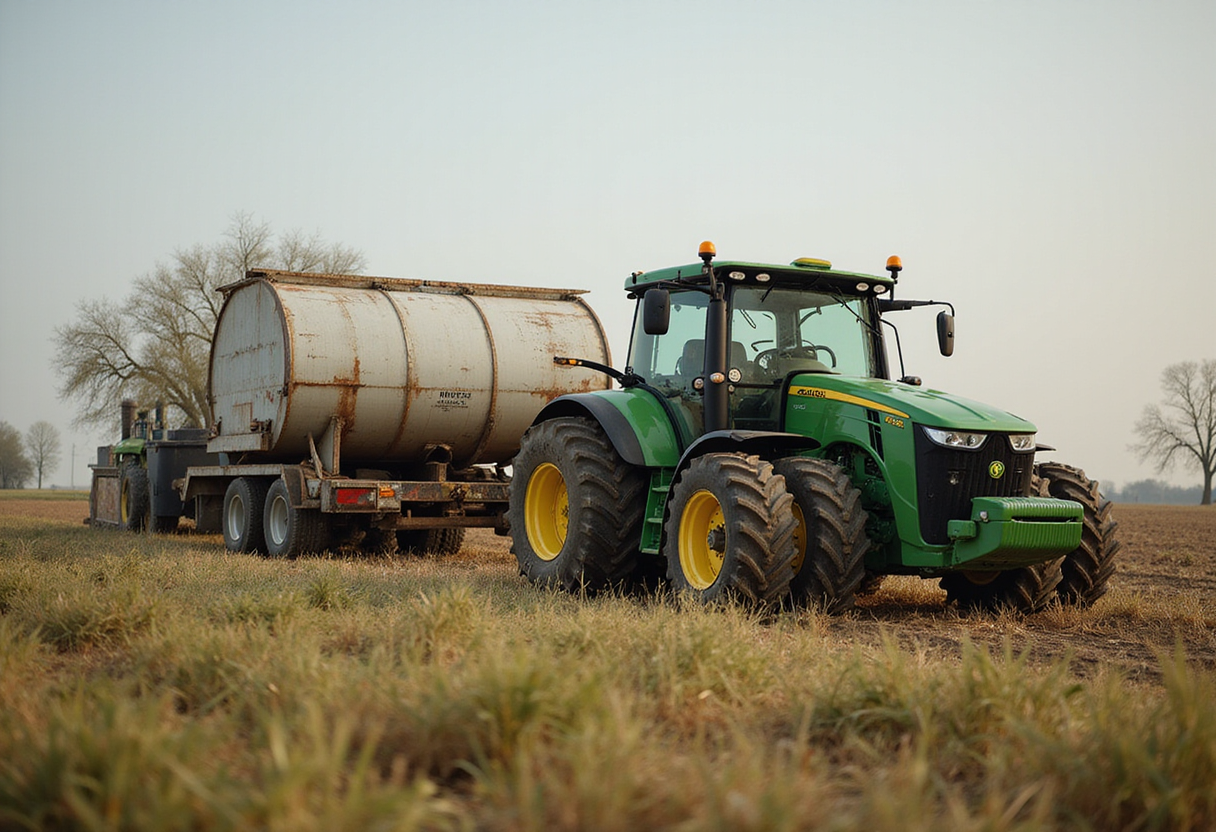
Diesel prices top the list of concerns for southwest Minnesota farmers, and a proposal to ban diesel exports drew open skepticism from growers who met Friday with U.S. Senator Tina Smith, the Minnesota Democrat said after the visit.
Smith visited a farm in southwest Minnesota, where the conversation turned quickly to input costs. "The price of diesel is uppermost on everyone's mind," she said. "And there was a lot of skepticism, I would say, amongst this group of farmers about whether some sort" of export restriction would ease the pressure at the pump.
The exchange highlights how fuel and fertilizer have moved to the center of the farm-margin debate. Diesel touches nearly every line of a row-crop operation — tillage, planting, spraying, hauling and drying — so a sustained run-up in per-gallon prices flows directly into cash costs per acre. Fertilizer, the other expense growers flagged, compounds the squeeze when combined with fuel, leaving less room between variable costs and commodity revenue.
For growers in southwest Minnesota, a region dominated by corn and soybean production, both inputs carry heavy weight in pre-harvest budgets. Any policy lever that could lower diesel prices — including limits on exports that supporters argue would build domestic supply — therefore draws close scrutiny from producers calculating their cost of production for the season.
The farmers' skepticism reflects a practical question: whether restricting exports would actually deliver lower pump prices, or whether it would distort markets without meaningful relief. Smith's account of the visit suggests growers were not persuaded that an export ban would work as advertised, an attitude consistent with farm-country wariness of interventions that promise price relief but carry uncertain mechanics.
The senator's farm visit comes as lawmakers gauge how energy policy intersects with agricultural profitability. Diesel supplies and refining capacity have been recurring worries for agricultural users, and proposals aimed at redirecting fuel toward domestic buyers inevitably raise questions about how prices would respond and who would bear the adjustment costs.
Smith did not commit to a specific position on an export ban in her remarks from the visit, according to her account of the conversation. Her characterization of the farmers' response — "a lot of skepticism" — signals that any move toward restricting diesel exports will face questioning from producers who see fuel costs as an immediate, per-acre expense rather than an abstraction of energy policy.
Fertilizer pricing, raised alongside diesel in the discussion, remains the other half of the input-cost picture for the growers Smith met. Together, the two expenses framed the visit's core message: producers want policy responses that measurably lower their cost of production, and they doubt an export ban on diesel fits that test.
The discussion in southwest Minnesota signals that fuel and fertilizer affordability will stay on the political agenda as farmers press lawmakers for solutions tied to their actual cost structure.
via Brownfield Ag News (Source)
More from Grace Kim
Show full bio
Correspondent covering industry trends and analytics at Agribusiness Wire.
159 articles