Lot No. LOT-5358 · offered September 29, 2026
Crop EconomicsLot sheet
USDA Economist Warns Diesel Prices Squeeze Farm Breakevens
USDA Chief Economist Justin Benavidez says rising diesel costs are pressuring farm balance sheets during harvest, with elevated prices likely to persist until the Strait of Hormuz reopens.
Market notes
- USDA Chief Economist Justin Benavidez says rising diesel costs are a growing concern for agriculture as harvest continues
- Fuel costs are pressuring farm balance sheets, according to Benavidez
- Benavidez expects elevated diesel prices to persist until the Strait of Hormuz reopens or cheaper alternative supply becomes accessible
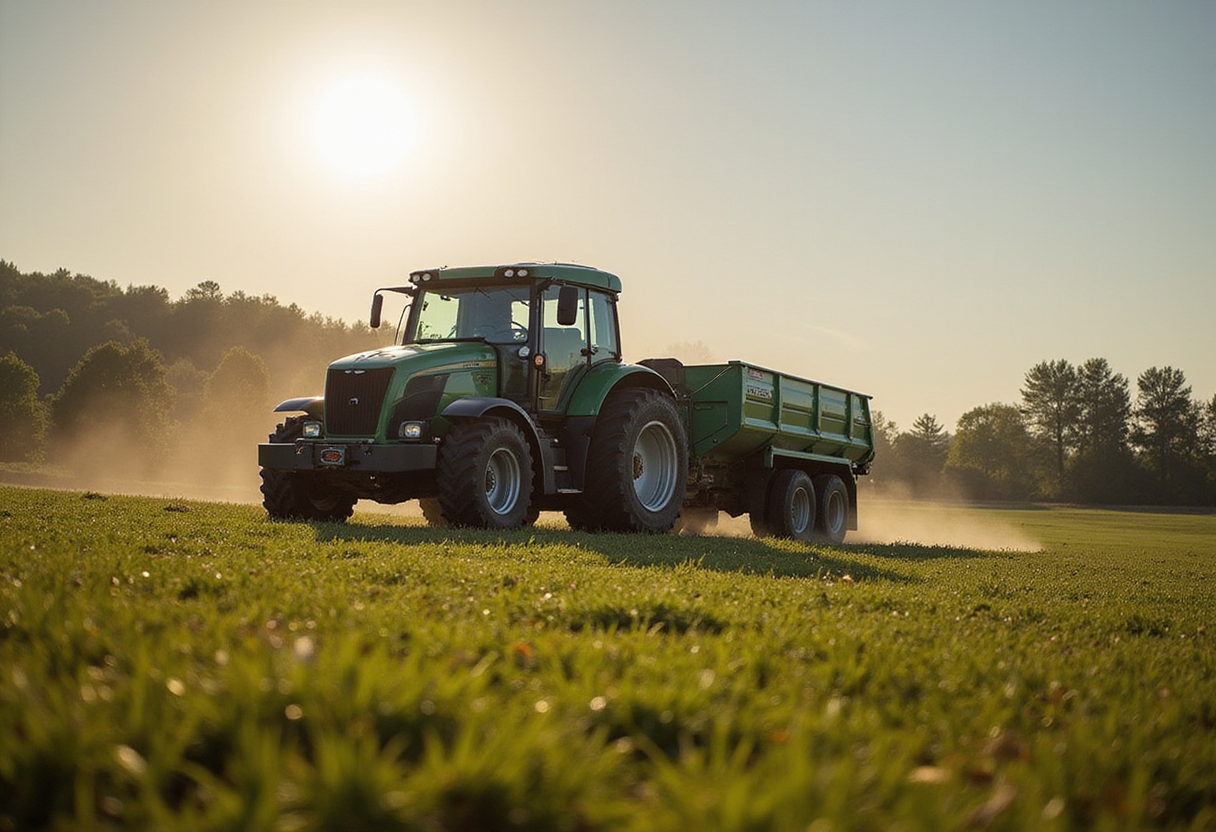
Diesel costs are becoming a greater concern for U.S. agriculture as harvest continues, according to USDA Chief Economist Justin Benavidez, who says fuel expenses are now directly pressuring farm balance sheets.
His warning lands at a moment when growers have little room to absorb new input shocks. With combines, grain trucks, and drying operations all running at peak demand during harvest, diesel is among the most timing-sensitive costs on the farm. A spike in per-gallon prices during this window translates almost immediately into higher breakevens for corn, soybeans, and other row crops still moving out of the field.
Benavidez pointed to a specific geopolitical cause behind the price pressure: the closure of the Strait of Hormuz. "Until the Strait (of Hormuz) has reopened or there's access elsewhere to more affordable diesel, I think some of these prices might be with us (awhile)," he said.
That framing matters for how producers plan. The economist is not describing a short-lived blip that reverses with a weekly futures move. He is describing a supply constraint — a choked shipping route for crude and refined products — that persists until either the strait reopens or alternative, affordable diesel supply reaches the market. Neither outcome carries a defined timeline, which leaves fuel as an open-ended line item in farm budget projections.
For growers, the practical question is where the new fuel costs leave breakevens. Diesel touches nearly every pass across a operation: tillage, planting, spraying, hauling, and harvest itself. When prices hold elevated through the harvest window, the added cost lands on crops already priced against revenues set earlier in the marketing year, squeezing margins rather than forward budgets that could be adjusted.
The breakeven math also carries into next season's input decisions. Elevated diesel raises the cost of every field operation and feeds into custom-application rates, trucking fees, and drying charges, all of which compound at the farm gate. Producers weighing input purchases for the coming crop year now face a fuel line item the USDA's own chief economist declines to call temporary.
Benavidez's comments also serve as a caution against reading current fuel prices as a routine seasonal move. Condition reports and in-season price snapshots are one thing; a structural supply disruption tied to a closed shipping lane is another. Farmers treating today's diesel numbers as a harvest-time anomaly risk under-budgeting for spring, when the strait's status — not the calendar — will determine whether relief arrives.
The USDA economist's message is straightforward: watch the Strait of Hormuz and diesel supply chains as closely as basis and futures, because until affordable alternative supply emerges or the waterway reopens, elevated fuel prices — and the tighter breakevens they produce — remain part of the farm cost structure for the foreseeable future.
via Brownfield Ag News (Source)
More from Marcus Bennett
Show full bio
Senior reporter covering marketplaces and e-commerce at Agribusiness Wire.
127 articles
Also in the yard
- Diesel at Record Highs Already Squeezing 2027 Crop Budgets
- Diesel Costs to Stay Elevated, K-State Economist Warns
- Economist Warns Diesel Export Ban Would Backfire on Farmers
- Diesel and Fertilizer Costs Dominate Talk on Tina Smith's Minnesota Farm Stop
- Farmers Face Higher Costs to Run Diesel-Powered Equipment