Lot No. LOT-6044 · offered September 29, 2026
Seeds, Crop Protection & FertilizerLot sheet
Diesel and Fertilizer Costs Press Minnesota Farm Margins
Rising diesel and fertilizer prices are squeezing Minnesota farm margins, forcing growers to weigh pre-buy timing, acreage shifts and input cuts.
Market notes
- Diesel and fertilizer prices are weighing on Minnesota farmers' operating margins.
- The two inputs rank among the largest variable costs for Upper Midwest corn and soybean operations.
- Cost pressure is prompting growers to weigh fertilizer pre-buys, acreage shifts and reduced field passes.
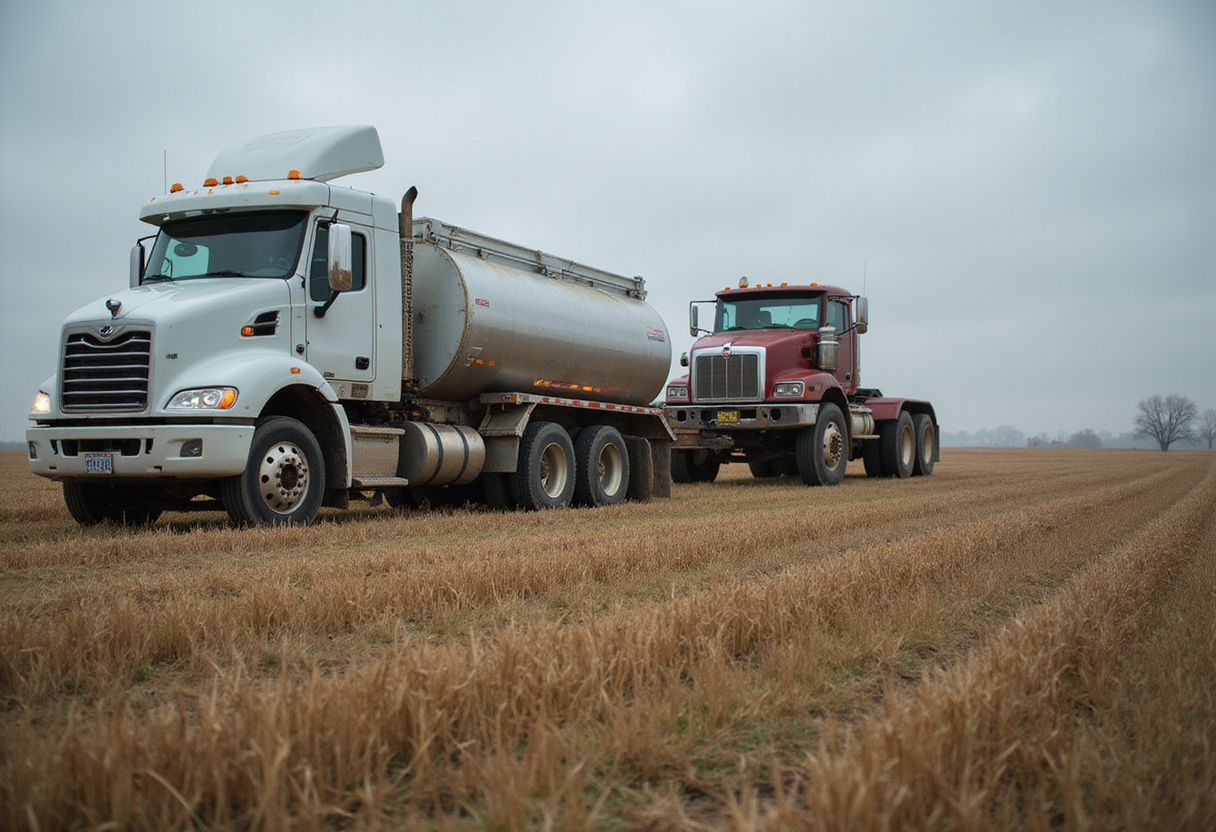
Rising diesel and fertilizer prices are weighing on Minnesota farmers, squeezing operating margins as growers budget for the coming cropping season, Brownfield Ag News reports.
Fuel and fertilizer typically rank among the two largest variable input costs for Upper Midwest corn and soybean operations. When both move higher at the same time, the effect compounds: diesel prices raise the cost of every field pass — tillage, planting, spraying and harvest — while fertilizer prices directly affect the economics of corn acres in particular, since corn carries a far heavier nutrient bill than soybeans.
For Minnesota growers, the pressure arrives at a decision point. Fertilizer purchasing timing is one of the few levers farmers control. Buyers who pre-book product can lock in prices ahead of spring demand, but they also carry the risk that the market softens after purchase. Waiting exposes operations to seasonal price strength when application windows narrow and logistics tighten.
Diesel tells a similar story. Fuel is consumed continuously across the production cycle, so there is no single purchasing moment equivalent to a fertilizer pre-buy. Farmers instead manage exposure through bulk on-farm storage, forward contracts with suppliers, or simply absorbing the cost difference at the tank.
The margin math matters because crop prices have not kept pace with input inflation. When fertilizer and fuel climb faster than grain and oilseed receipts, working capital erodes even on farms with average or above-average yields. That dynamic pushes operators toward cost-cutting levers with agronomic trade-offs: reducing fertilizer rates, shifting acreage from corn toward soybeans, or trimming tillage passes to save fuel.
Each of those choices carries consequences. Cutting nutrient applications below removal rates can mine soil fertility over time. An acreage shift toward soybeans reduces near-term input spending but raises disease and pest pressure in rotations that tighten too much. Fewer tillage passes saves diesel, though the agronomic effect depends on residue management and weed control strategy.
Minnesota's position in the national picture amplifies the stakes. The state ranks among the top producers of corn, soybeans, sugarbeets and hogs, so input cost inflation here ripples through livestock feed costs, ethanol plant economics and export flows from Mississippi River terminals.
Federal policy adds another layer. Input costs feed directly into federal crop insurance guarantees, which are set from commodity prices and production costs, and into farm bill debates over reference prices and safety-net adequacy. When fertilizer and fuel spike, grower organizations tend to press harder for stronger risk-management tools.
Brownfield's reporting reflects conditions as described by Minnesota growers and industry participants — a condition report on cost pressures rather than a harvest or final margin result. Actual farm-level outcomes will depend on where diesel and fertilizer prices settle, what growers lock in for inputs, and how commodity markets move between now and harvest.
Watch spring fertilizer purchasing patterns and weekly retail price surveys in the coming weeks; they will show whether Minnesota growers are buying ahead or holding off, and how much of the cost pressure they ultimately pass through — or absorb.
via Google News: Fertilizer markets (Source)
More from Olivia Hart
Show full bio
News editor covering media and advertising at Agribusiness Wire.
137 articles