Lot No. LOT-8798 · offered November 4, 2026
Agricultural PolicyLot sheet
SNAP Cost-Share Fight Gates Lame-Duck Farm Bill Push
Lawmakers return Nov. 9 with roughly four working weeks to break a Senate SNAP logjam over state cost-shares, with New Jersey facing up to $293 million in new annual costs.
Market notes
- Lame-duck session runs Nov. 9 to early January, with just over four weeks of working days to pass a five-year farm bill.
- New Jersey projects $98M-$293M in annual SNAP cost-shift expenses plus about $99M in higher administrative costs.
- SNAP participation fell 5.5 million people, or 13%, between July 2025 and July 2026.
- Clay County, Minnesota faces a potential 4.1% property tax increase from SNAP costs alone.
- Senate Ag Chairman Boozman offered a one-year delay; Democrats and governors' groups want multi-year relief.
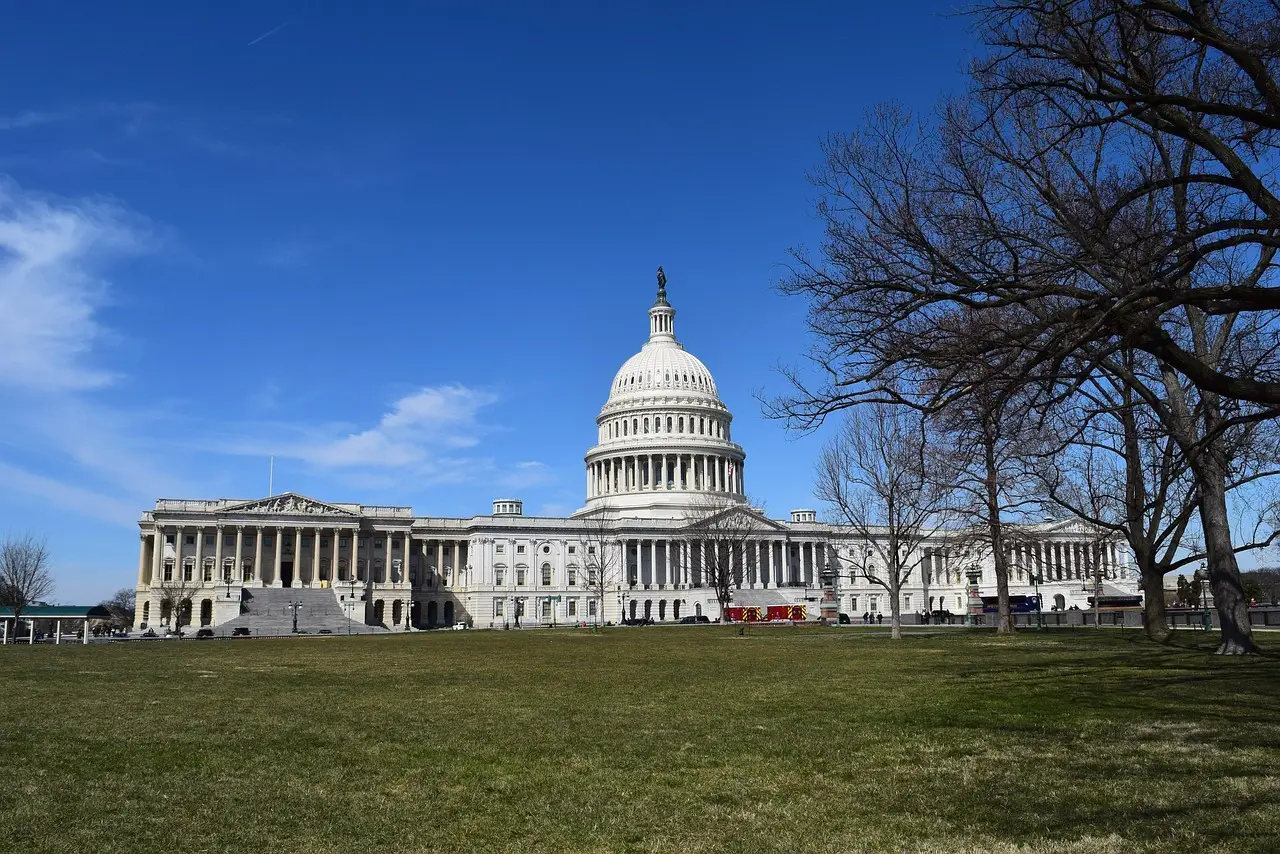
Congress returns Nov. 9 with barely four weeks of working days to resolve a partisan SNAP cost-share standoff and pass a five-year farm bill that has been stalled since the 2018 law expired. New Jersey alone projects the new cost shift will add $98 million to $293 million a year to state budgets, on top of roughly $99 million in higher administrative costs that took force Oct. 1.
The lame-duck window runs until early January, when a new Congress convenes. Crop farmers watching the calendar face another year of high production costs, and senior Republicans and Democrats both call farm bill passage a top priority. The Senate remains blocked.
What is holding up the deal?
The dispute centers on a provision of the GOP's One Big Beautiful Bill Act requiring certain states to begin paying a share of SNAP benefit costs in 2027. Republicans frame the shift as an incentive for states to push payment error rates below 6%. Democrats want at least a two-year delay so states can budget for the obligation. Senate Ag Chairman John Boozman, R-Ark., has offered a one-year postponement and called it the best deal Democrats will get.
New Jersey shows the stakes. One of 10 states running SNAP at the county level, it cut its payment error rate from 14% in 2024 to just under 7% in 2025, which lowers its cost-share rate. A further drop in 2026 could eliminate the cost-share entirely. The improvement does not settle the issue.
"The payment, the benefit cost-share, is predicated on the payment error rate for SNAP quality control, which is a fundamentally flawed metric," Larry Braasch, deputy division director in the New Jersey Division of Family Development, told Agri-Pulse. He has worked the issue since OBBBA became law.
Why do states call the metric flawed?
Braasch said a USDA policy change several years ago broadened what counts as an "error." A missing sheet of paper can now trigger a $300 penalty instead of $30, he said, contrary to federal regulations that classify such cases as administrative deficiencies.
Democratic Governor Mikie Sherrill wrote to her delegation in April that PER is not an appropriate measuring tool and the cost-share provisions should be eliminated.
Analysis from the Hamilton Project at the Brookings Institution backs the argument. Quality control uses a small subsample of cases, the authors found, and rates swing widely by year. "The cost shift to states will fluctuate unpredictably and considerably from year to year based on random chance alone," the paper concludes, noting rate changes are "not at all persistent across years."
New Jersey also faces a calendar mismatch: the federal fiscal year starts Oct. 1, the state's runs July 1 to June 30, and counties use the calendar year. USDA has yet to release guidance on how states should remit cost-share payments.
What are the fiscal stakes nationwide?
SNAP participation fell by 5.5 million people, or 13%, between the law's July 2025 enactment and July 2026, according to the Center on Budget and Policy Priorities. Democrats want to undo nearly $200 billion in projected SNAP cuts through 2034.
"These costs are so great that they could drive some states to end SNAP altogether," Katie Bergh, senior policy analyst at CBPP, said last month. "Delaying or denying SNAP to an eligible family doesn't count as an 'error.'"
County-level administration spreads the pain. Clay County in eastern Minnesota faces a potential 4.1% property tax increase from SNAP costs alone. GOP-leaning counties in Minnesota, North Carolina and New York are scrambling alongside states.
"Even in counties where the state will ultimately probably absorb the benefit cost share, we're worried about the overall fiscal pressure," Emma Conover of the National Association of Counties told Agri-Pulse.
Is a compromise realistic?
Sen. Amy Klobuchar of Minnesota, the Ag Committee's top Democrat and likely governor-elect, is pushing a two-year delay for some states while calling a farm bill this year a top priority. The House passed its farm bill in late April, but it omits any SNAP delay and carries language nullifying animal welfare rules such as California's Proposition 12 — a Senate nonstarter under the 60-vote threshold.
"I hate to talk about compromising on getting fraud out of food stamps, but there may be some sort of compromise we'll have to do with the Democrats to get 60 votes," Sen. Chuck Grassley, R-Iowa, told reporters Tuesday.
Staff-level negotiations began last month; SNAP talks start after lawmakers return. Republican aides expect state and local pressure to push Democrats toward a one-year deal, while Democrats counter that the National Governors Association and eight allied groups want a multi-year delay. The 2018 farm bill was the last full-year measure, and some policy watchers say the traditional bipartisan five-year bill may be finished.
Peter Tabor, co-leader of Holland & Knight's Agriculture & Food Policy Team, rated the lame-duck outlook as "quite challenging."
"The SNAP issue is the gatekeeper," Tabor said.
via fna-bwbufwdzbabpezgc.z01.azurefd.us (Original)
More from Grace Kim
Show full bio
Correspondent covering people, launches and day-to-day practice in Agribusiness coverage for industry professionals at Agribusiness Wire.
481 articles
Also in the yard
- CBO Puts Senate Farm Bill Price Tag at $5.2 Billion in State Savings
- SNAP Cost-Share Fight Leaves Farm Bill Three Weeks From Deadline
- Senate Ag Panel Advances Farm Bill 12-11; House Out Until Post-Midterms
- Farm Bill Staff Talks to Resume; California Faces $1.9B SNAP Hike
- Senate Farm Bill Delays State SNAP Cost-Sharing by One Year