Lot No. LOT-2783 · offered November 17, 2026
Crop EconomicsLot sheet
Butte County Farm Bureau Chief: Tight Margins Squeeze Small Growers
Diesel costs and delayed crop payments are squeezing Butte County family farms, Farm Bureau chief Colleen Cecil says, with wolf expansion and 2027 policy shifts looming.
Market notes
- Colleen Cecil has led the Butte County Farm Bureau for 20 years.
- Butte County produces almonds, walnuts, rice, prunes and olives.
- The Farm City Celebration marks its 47th year in Butte County.
- Cecil flagged 2027 and a new California administration as key policy variables.
- Restrictions on autonomous tractors limit grower technology adoption, Cecil said.
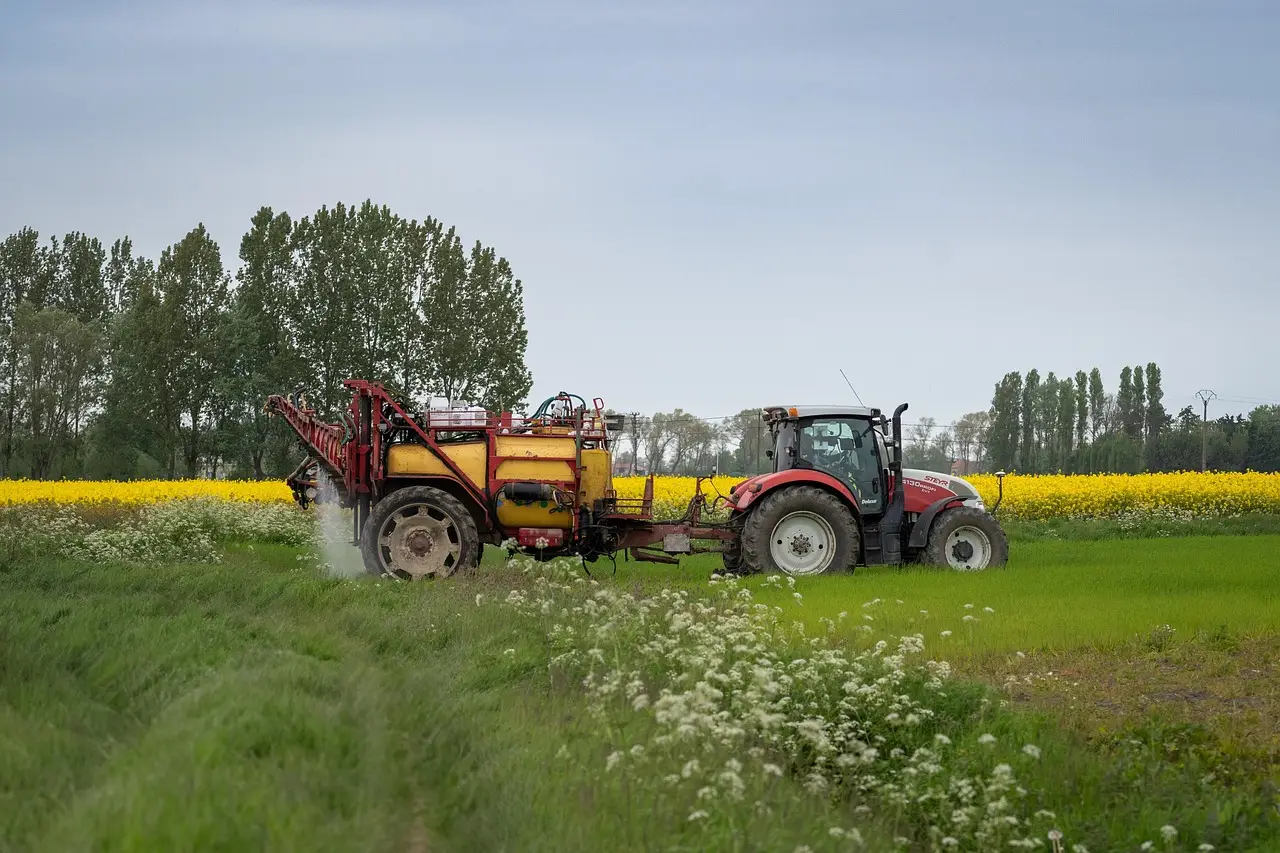
Diesel prices are stacking costs onto growers who already run razor-thin margins, and many Butte County family farms are falling behind financially, Colleen Cecil, executive director of the Butte County Farm Bureau, said on the AgNet News Hour with Nick Papagni.
Cecil, marking 20 years leading the organization, laid out the pressure points facing one of California's most diverse farming counties. Butte County produces almonds, walnuts, rice, prunes, olives and other commodities. Even in a productive growing region, she warned, financial pressures are making it increasingly difficult for smaller family farms to survive.
"It's very, very, very tight," Cecil said.
What does the cash-flow squeeze look like?
The problem isn't just the size of the bills. It's the timing. Unlike businesses that collect payment immediately, some agricultural producers must cover harvest expenses months before they receive their full crop payments. Higher diesel prices add substantial expense precisely during that window, when fuel demand peaks.
Many growers were already operating on tight margins before fuel costs climbed, Cecil explained. The result: farmers who clear a harvest in the fall may wait months for the revenue that covers it.
How are ranchers handling expanding gray wolf activity?
Gray wolves are showing up more in Butte County, and ranchers are responding. Cecil said producers are seeking additional training and resources to protect livestock as wolf activity expands into the region.
The issue sits alongside water management as a top operational concern. With forecasts raising questions about a potentially wet winter, Cecil discussed groundwater monitoring, irrigation improvements and the importance of preparing agricultural properties for flooding.
Asked whether the region is ready for significant winter storms, she didn't hesitate.
"You know who's prepared? Agriculture is prepared."
What changes with 2027 and a new administration?
Looking toward 2027, Cecil emphasized maintaining relationships with state policymakers, especially as California prepares for a new administration and potential changes to regulatory agencies.
She also flagged agricultural automation as a missed opportunity. Restrictions on autonomous tractors, she argued, are preventing growers from taking full advantage of emerging technologies — a constraint with direct labor and cost implications at a moment when margins leave little room for inefficiency.
What does this change for Butte County growers? Potentially a lot: which agencies write the rules, how fast autonomous equipment reaches the field, and how much leverage farm bureaus have in Sacramento as the calendar turns.
Who comes next?
Beyond policy, Cecil pointed to agricultural education as the pipeline. FFA, 4-H and Butte County's annual Farm City Celebration — now in its 47th year — introduce hundreds of students and community members to local agriculture through farm demonstrations, educational activities and tours of agricultural businesses.
As she marks two decades with the Butte County Farm Bureau, Cecil remains focused on two goals: keeping farmers' voice alive in Sacramento, and making sure future generations have opportunities to continue California's agricultural traditions.
The full conversation is available on the AgNet News Hour podcast.
via agnetwest.com (Source)
More from Nathan Brooks
Show full bio
Staff writer covering regulation, policy and their impact on Agribusiness coverage for industry professionals at Agribusiness Wire.
576 articles