Offered
Seeds, Crop Protection & FertilizerLot sheet
Barley Pangenome Spans 25 Species, Hands Breeders New Flowering Leads
IPK Leibniz Institute researchers compared 25 Hordeum species and found 611 millet-derived genes plus a small-RNA mechanism that may let wild barley flower without vernalization.
Market notes
- 27 accessions covering 25 Hordeum species sequenced at chromosome level
- 611 genes entered wild barley genomes from millet-related grasses via horizontal gene transfer
- Hordeum cordobense small-RNA mechanism may silence a flowering-repressor gene, bypassing cold requirement
- EOG1 identified as a glume-development regulator
- Regulatory regions diverge faster than protein-coding sequences across the genus
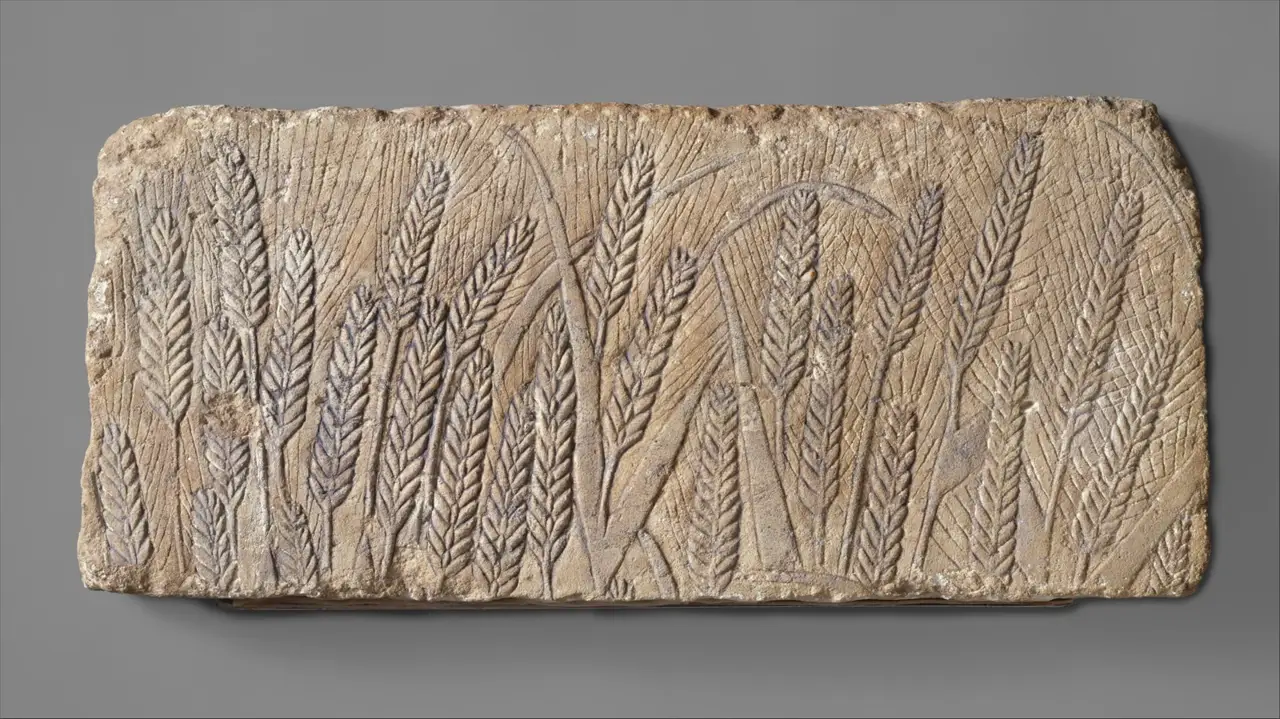
An international team led by the IPK Leibniz Institute has mapped chromosome-level genomes from 27 plant accessions covering 25 species across the barley genus Hordeum, the widest comparison of its kind and a step change for breeders hunting flowering-time and disease-resistance variants.
The study included all recognized diploid species and selected polyploids. Earlier barley pangenomes covered only cultivated barley and its closest wild relatives. The new genus-wide resource shows which DNA sequences the species share and where they diverge.
One pattern stood out. Protein-coding sequences stayed broadly similar across species, while many regions controlling when, where and how strongly genes are active changed rapidly. Regulatory DNA, not gene content, carries much of the divergence.
"Our findings show that the genomes of closely related plant species differ not only in their genes, but also in the DNA sequences that regulate gene activity," said Dr. Martin Mascher, who coordinated the study at the IPK. "The genomes of wild barley species therefore offer new opportunities to understand the evolution of important traits and investigate previously unexplored genetic diversity."
How can wild barley flower without cold?
Winter barley requires a prolonged cold period — vernalization — before flowering. Some wild Hordeum species flower without that cue. In Hordeum cordobense, researchers found an unusual arrangement of gene copies that produces small RNA molecules. Those molecules may help silence a gene that normally holds back flowering.
The team also found changes in another key flowering gene. Together, the findings indicate wild barley varies its flowering response through some of the same genetic pathways that separate cultivated spring and winter types.
What do the chromosomes reveal?
The researchers documented large DNA rearrangements near chromosome centres and traces of past crosses between species. They identified 611 genes that appear to have entered wild barley genomes from grasses related to millet through horizontal gene transfer. Many of those genes are transcribed in wild barley; their effects remain unknown.
That 611-gene count is a survey result, not a validated trait inventory. Functional studies will decide whether any transferred gene does useful work.
How does this reach the breeding pipeline?
Comparing wild species helped the team identify EOG1 as a regulator of glume development — the outer bracts at the base of a grass spikelet. That finding shows the expanded pangenome can surface new trait regulators beyond flowering.
The resource gives breeders a starting point for variants that could influence flowering time or disease resistance in cultivated barley. Whether any variant reaches commercial lines depends on functional studies and breeding trials, which the study does not report. The pangenome narrows the search; it does not shorten the testing.
Takeaway: the genus-wide map widens the genetic pool breeders can screen, and the cold-free flowering mechanism in Hordeum cordobense is the first concrete lead.
via seedworld.com (Source)
More from Grace Kim
Show full bio
Correspondent covering people, launches and day-to-day practice in Agribusiness coverage for industry professionals at Agribusiness Wire.
563 articles
Also in the yard
- Aberystwyth Team Targets Wild Traits With 43,000-Seed Bank and AI
- USDA and Purdue Team Clone First Hessian Fly Resistance Gene in Wheat
- World Seed Congress Delegates Address Trade Disruptions and Genetics
- Pulse Residue Study: Pea and Bean Varieties Shift Soil Nitrogen and Barley Growth
- SDSU's WheatAI Will Read Nine Wheat Traits From Photos, Free by 2028