Lot No. LOT-5320 · offered November 17, 2026
Seeds, Crop Protection & FertilizerLot sheet
USDA and Purdue Team Clone First Hessian Fly Resistance Gene in Wheat
USDA, Purdue and Kansas State researchers have cloned the first Hessian fly resistance gene in wheat, validating a hypothesis posed in 1970 and targeting a pest worth hundreds of millions in annual losses.
Market notes
- The first Hessian fly resistance gene in wheat, H13, was cloned and published in Science Advances on Aug. 14, 2026.
- Hessian fly causes hundreds of millions of dollars in annual losses to wheat production.
- The Wheat Resiliency Initiative is appropriated at $1.5 million to target Hessian fly and wheat stem sawfly.
- Global wheat production reached nearly 800 million metric tons in 2024-25, per USDA.
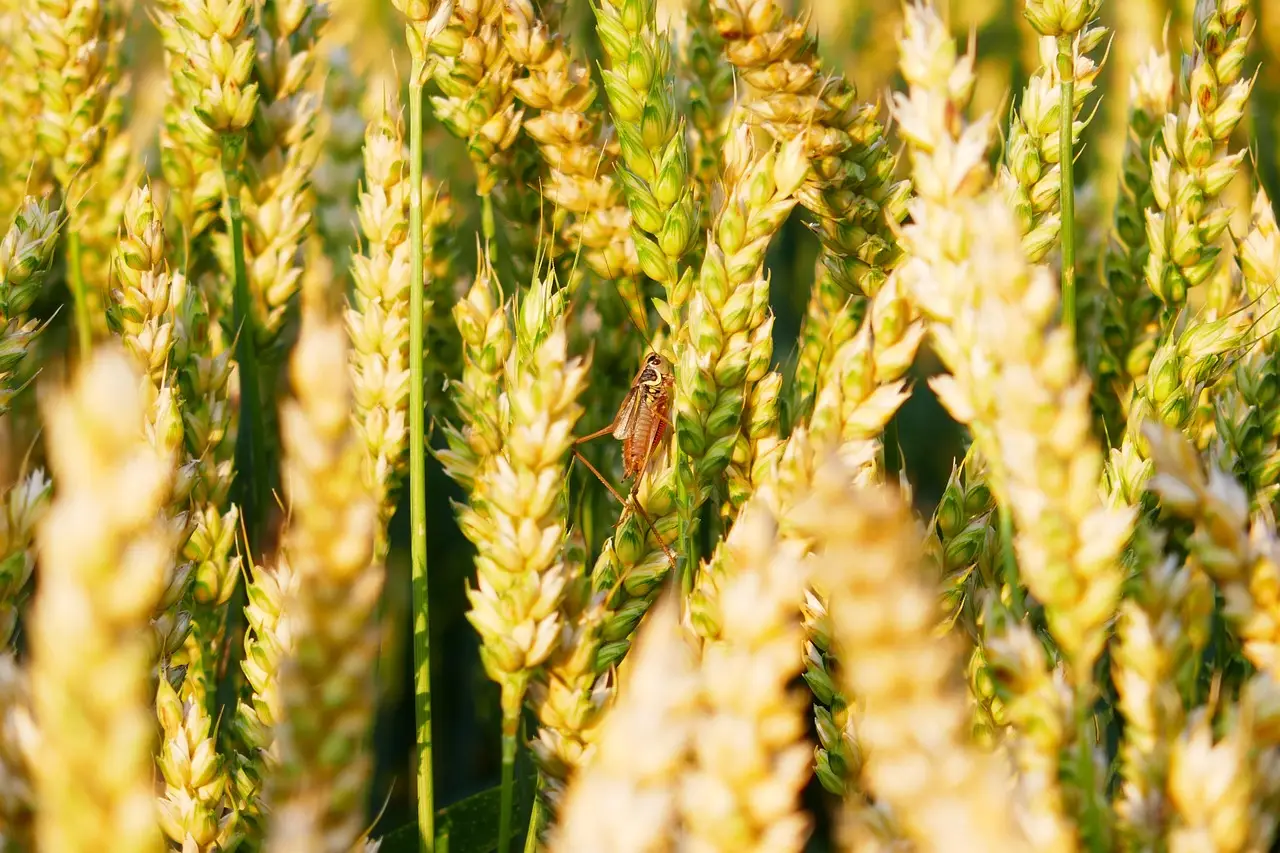
Global wheat production reached nearly 800 million metric tons in 2024-25, according to USDA figures, and the Hessian fly strips hundreds of millions of dollars from that crop's value every year. Researchers at the USDA Agricultural Research Service, Purdue University, Kansas State University and their collaborators have now sequenced and cloned the first Hessian fly resistance gene in wheat — a result published in the Aug. 14, 2026, issue of Science Advances and co-led by Subhashree Subramanyam, research molecular biologist at ARS and adjunct associate professor of entomology at Purdue, and Kansas State's Bikram Gill.
"This breakthrough reveals critical molecular components of the wheat-Hessian fly relationship and offers new insights into how plants perceive and respond to insect attack," Subhashree Subramanyam said.
Why the cloning matters
The newly cloned H13 wheat resistance gene produces a resistance protein that recognizes vH13, a protein secreted by the Hessian fly. That recognition triggers a cascade of defense responses that kills the insect. Subramanyam described the pairing as a lock-and-key interaction: "They have to come together before anything is triggered."
The work supplies the first definitive molecular validation of the gene-for-gene hypothesis (the idea that each plant resistance gene corresponds to a specific pest gene) in the wheat-Hessian fly system. USDA researchers based at Purdue and K-State proposed that hypothesis in 1970, and it has challenged scientists for more than half a century.
Steve Scofield, supervisory research geneticist at ARS and adjunct professor of agronomy at Purdue, put the economics in context. Hessian fly causes hundreds of millions of dollars in annual losses for wheat production, he said. "Genetic resistance is the most promising way to combat this pest, and this study reports the cloning of the first Hessian fly resistance gene from wheat. The work is elegant."
A 90-year genetic lineage
The discovery rests on genetic material assembled across multiple countries over almost nine decades. Gill, University Distinguished Professor Emeritus at Kansas State, traced the pedigree: Hitoshi Kihara of Japan and Ernie Sears of the U.S. discovered in the 1940s that Iranian goatgrass sired emmer wheat to produce bread wheat. Kihara collected Iranian goatgrass extensively during the 1950s and resynthesized wheat from those materials.
"This is a satisfying close to a long quest and a start of a new chapter in this research endeavor," Gill said.
The insect side of the interaction yielded earlier. In 2014, Purdue entomology professor Jeff Stuart, Subramanyam and collaborators cloned the first insect avirulence gene (a pest gene whose product a plant resistance gene can detect) from Hessian fly. They then sequenced the insect's genome, revealing how the fly stunts wheat growth.
What changes for growers?
For wheat producers, genetic resistance replaces or reduces the input and yield-loss costs of chemical control against a pest that has plagued U.S. fields since the American Revolutionary War. "Wheat is the world's second most produced cereal grain, and it plays a very critical role in U.S. agriculture and global food security," Subramanyam said. "Insect pests continue to threaten this crop's productivity. They cause significant yield losses and economic hardship for wheat growers."
The pest remains a national research priority. The Hessian fly and wheat stem sawfall [sic] fall under the Wheat Resiliency Initiative, which Oswald Crasta, ARS national program leader in small grains, described as aimed at improving wheat resilience against biotic and environmental stressors. The initiative is currently appropriated at $1.5 million, with stakeholders including the National Wheat Improvement Committee and the National Association of Wheat Growers.
What comes next
Durability is the open question. Subramanyam likened the plant-insect interaction to molecular-scale warfare: one side loses a battle, develops a new strategy, then counterattacks. Rising temperatures favor the Hessian fly and weaken wheat's native resistance, while insect populations can evolve greater virulence over time. "There is a need to keep identifying novel sources of resistance," she said.
Some factors in the mechanism are still missing, she noted, and further work on resistance and susceptibility in wheat and Hessian fly could transfer to other cereal crops. "The knowledge generated by this study opens promising avenues for engineering durable insect resistance in crops that will protect farmers' yields, supporting long-term sustainable agriculture and global food security," Subramanyam said.
The USDA Current Research Information System, the Agriculture and Food Research Initiative and the National Institute of Food and Agriculture funded the project.
via fas.usda.gov (Original)
More from Rebecca Stone
Show full bio
Market editor covering people, launches and day-to-day practice in Agribusiness coverage for industry professionals at Agribusiness Wire.
517 articles
Also in the yard
- Wheat Stem Sawfly Inflicts Up to 30% Losses; UNL Hunts Biochemical Markers
- Membrane Protein Research Gains Speed for Crop Protection Tools
- Research review reframes fungal infection tactics as crop protection roadmap
- Aberystwyth Team Targets Wild Traits With 43,000-Seed Bank and AI
- Soilytix Launches AI Models to Hunt Crop-Protection Molecules in Soil DNA