Lot No. LOT-7124 · offered November 10, 2026
Crop EconomicsLot sheet
$7 Fuel Price Puts 2027 Farm Budgets Under Pressure
A Nov. 10, 2026, Profit Planners panel tells farmers to cut diesel use, time fuel purchases and budget 2027 inputs as energy costs pressure farm margins and returns.
Market notes
- Nov. 10, 2026: Four Profit Planners weighed diesel savings, fuel purchases and tillage changes for 2027.
- $7 fuel: Jim Luzar advised price-break purchases and multiple buys rather than loading up.
- 2027 crop budgets: Mark Evans recommended university budgets and partial fuel purchases when prices dip.
- Several months: Energy-related fertilizer price adjustments can move through the supply chain slowly.
- Per-acre budgets: Steve Myers said farmers should weigh diesel savings against yield drag and higher herbicide expense.
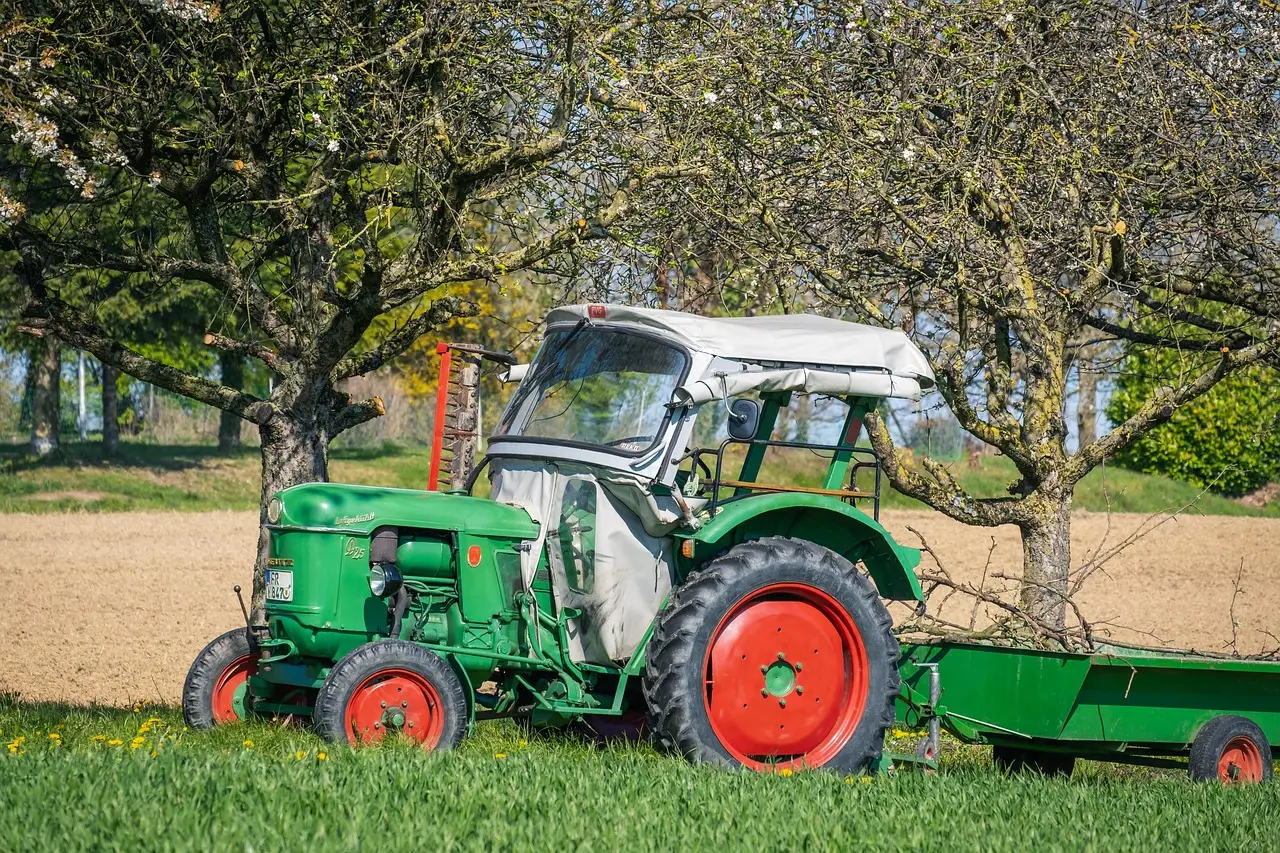
At $7 for fuel, Jim Luzar said: “It seems prudent to not load up on $7 fuel. Buy some on price breaks. You spread risk with multiple purchases.”
The Nov. 10, 2026, Profit Planners panel addressed a farmer’s concern that persistently high diesel prices might not pencil out next year. The question covered three levers: saving fuel, spreading price risk and changing tillage.
Farmer David Erickson of Altona, Ill., and Purdue Extension educator Mark Evans of Elkhart County, Ind., joined the panel. It also included retired Purdue Extension educator and Putnam County, Ind., landowner Jim Luzar, plus Steve Myers, farm manager with Busey Ag Resources in LeRoy, Ill. Their recommendations combine immediate fuel-use cuts with partial purchases for 2027, not a single market call.
What should farmers do about 2027 fuel?
- Erickson: Review every trip across each field for fuel savings. Cut passes, right-size horsepower for each task and eliminate practices that no longer justify their diesel burn. Bulk or timed purchases can help, but farmers must understand current prices and expected use first. His short-term answer is to reduce consumption while evaluating operational changes.
- Evans: Use farm averages to build budgets, with 2027 university crop budgets as a guide. Follow energy prices, and when a dip fits the budget, book part of 2027 fuel needs.
- Evans on buying: He said: “Booking at all-time highs does not seem logical but would be more driven by emotion unless you really see prices continuing to go up.” Weigh historical charts and logical probabilities of further increases.
- Luzar: Meet current vendors head-on, ask for their price outlook and compare competing suppliers. Check whether equipment maintenance delivers optimum fuel efficiency and whether the farm uses its rolling stock efficiently. Consider reduced tillage, and avoid another tractor pass when the extra trip no longer pays.
- Myers: Treat diesel as one part of per-pass cost, not the whole decision. Book at least a percentage of spring needs to hedge risk and include the borrowing rate in that calculation. He offered this as one of several strategies for uncertain diesel prices.
Should farmers switch to no-till?
Evans called no-till a route to lower fuel use, with fall tillage and extra tillage passes the first candidates to cut. He warned against a drastic change because a rushed transition can fail. Over the long term, he recommended setting goals and moving toward no-till or strip-till to reduce energy and equipment costs.
His yardstick is profitability rather than yield maximization, he said, because bigger does not always mean better economically.
Energy-cost adjustments for fertilizer may take several months to work through the supply chain, so farmers should budget for the lag as well as the pump price.
Myers said a tillage shift can bring yield drag or higher herbicide expense, and farmers made current choices for reasons. A partial budget on a per-acre basis should compare added costs and reduced returns with reduced costs and added returns. His compromise: modify the system enough to sideline the biggest diesel burners without committing the whole farm.
How should farmers read the figures?
This expert panel produced a dated recommendation, not a survey result or a measured savings table. Luzar’s $7 reference is the only dollar figure; panelists supplied no market-average diesel price, acreage estimate, yield result, measured fuel saving or fixed share of needs to buy.
Farmers should compare the 2027 horizon with current vendor bids, historical price charts and current fertilizer and other input costs. The panel’s recommendations do not include a tested diesel savings percentage.
Any farmer considering a purchase or system change still needs current numbers. The 2027 university crop budgets can anchor expected costs, but farm averages, actual diesel use and per-acre partial budgets should determine the decision. For 2027, a fuel-saving switch pays only if diesel and equipment savings exceed yield loss, added herbicide expense and financing costs.
via Farm Progress (Source)
More from Nathan Brooks
Show full bio
Staff writer covering regulation, policy and their impact on Agribusiness coverage for industry professionals at Agribusiness Wire.
541 articles