Offered
Crop EconomicsLot sheet
Wisconsin Cranberry Crop Forecast at 4.8 Million Barrels for 2026
Wisconsin is forecast at 4.8 million cranberry barrels in 2026, up 4%, while 91% of the state ran abnormally dry in August and fresh-fruit harvest ran to Thanksgiving.
Market notes
- Wisconsin 2026 cranberry forecast: 4.8 million barrels, up about 4% from 4.6 million in 2025 (USDA NASS).
- U.S. crop forecast at 7.87 million barrels, up 5% from 2025 but 5% below the 2022-24 average of 8.3 million.
- 91.13% of Wisconsin was abnormally dry or worse in mid-August (U.S. Drought Monitor).
- More than half but fewer than three-quarters of Wisconsin growers sell to Ocean Spray; Mariani and Badger State Fruit are the largest independents.
- Harvest began the first week of September; fresh-fruit growers picked until Thanksgiving.
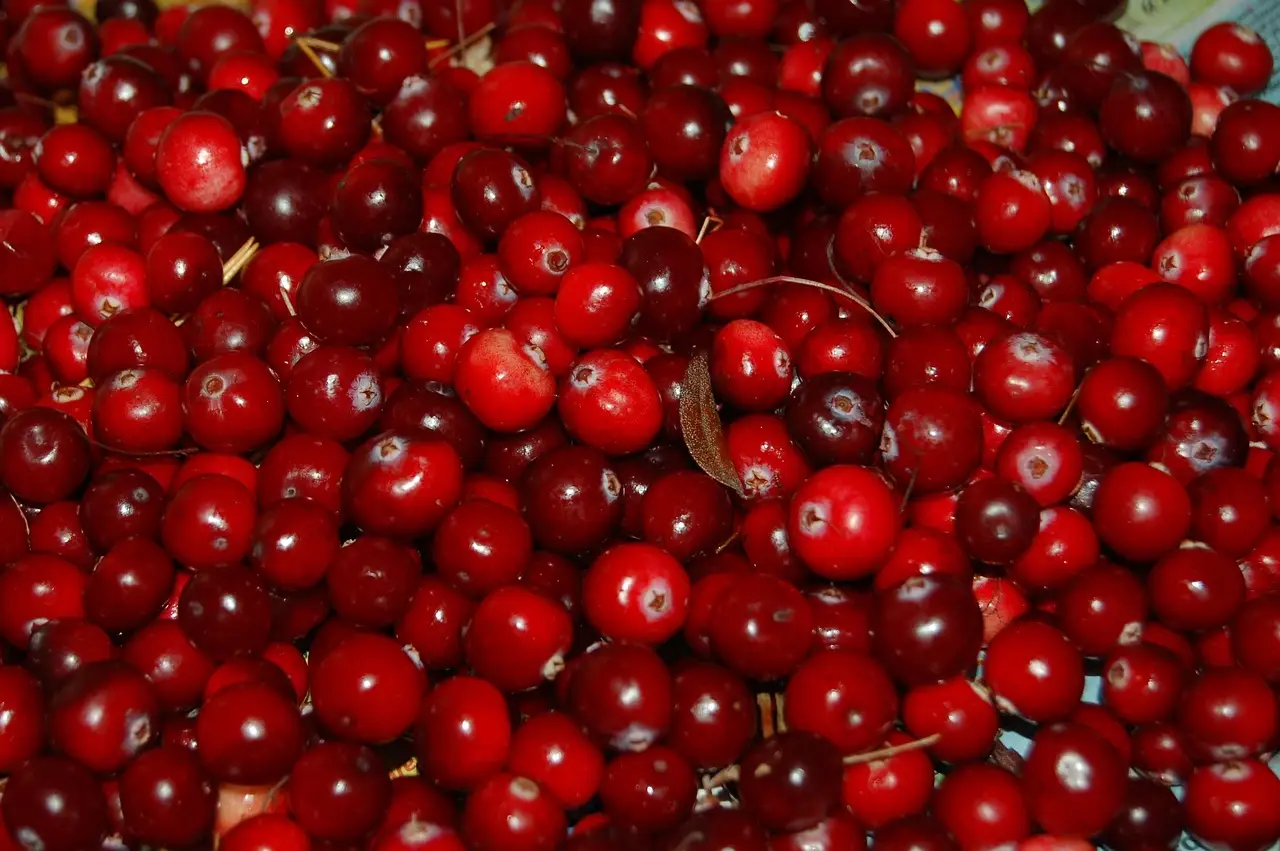
Wisconsin growers are forecast to harvest 4.8 million barrels of cranberries in 2026, up roughly 4% from 4.6 million barrels in 2025, according to the U.S. Department of Agriculture's National Agricultural Statistics Service. A barrel equals 100 pounds. Massachusetts, the No. 2 producing state, was forecast at 1.9 million barrels.
Nationally, the USDA's September Fruit and Tree Nuts Outlook put the U.S. crop at about 7.87 million barrels — a 5% increase from 7.51 million barrels in 2025, but still 5% below the 2022-24 average of 8.3 million barrels. Growers should read these figures as forecasts, not harvested results; the condition reports precede final yields.
How did the season actually run?
Hayward-based grower Allison Jonjak, a third-generation cranberry farmer in Sawyer County and former cranberry outreach specialist with University of Wisconsin-Madison Extension, said harvest began the first week of September for fruit destined for juice and sweetened dried cranberries, and most of that volume was off by the last week of October.
Fresh-fruit growers work a longer window.
"Fresh fruit growers that produce fruit for the one-pound bags in the grocery store — they're going to be picking all the way up until Thanksgiving," Jonjak said. "They put in those long days right before the holiday to get them to people's plates fresh."
The season split into two weather problems. Spring brought normal conditions with frequent frost watch. Then dryness set in: the U.S. Drought Monitor recorded 91.13% of Wisconsin as abnormally dry or worse in mid-August.
"Growers were contending with some pretty intense drought in some parts of the state," Jonjak said. "So really had to watch our moisture levels to make sure that the fruit still got sized up."
For growers, moisture management during fruit sizing is a direct yield and input-cost question — irrigation runs cost money precisely when berry development determines returns per acre.
What separates northern and central marshes?
Wisconsin's cranberry marshes sit in the central and northern parts of the state, and the two regions run different agronomy. Northern growers favor varieties that ripen sooner or turn red faster, so they can start harvest before hard cold arrives, Jonjak said.
Hard winters work in the north's favor: sustained cold helps keep disease and insect pressure in check, reducing one input line. Many northern marshes also carry soils higher in organic matter, while central marshes tend toward sandier ground — a split that shapes water and nutrient management decisions.
Who buys the fruit?
The buyer structure has been stable for decades. Jonjak estimated more than half but fewer than three-quarters of Wisconsin cranberry growers sell to Ocean Spray, some with the cooperative since its founding. Family-owned Mariani Packing Co. and Badger State Fruit Processing rank as the biggest independent buyers in the state. Smaller cooperatives also buy fruit, and some organic growers sell direct.
"Things feel stable the last 20 to 30 years," Jonjak said. "Growers tend to have long-term relationships with their buyers."
For new entrants and existing operations alike, that concentration means market access runs largely through established channels rather than spot sales.
What about variety trials?
The Jonjak Cranberry Farm, planted in 1939 by Tony and Lucille Jonjak, is now run by Randy Jonjak, with siblings and cousins returning each fall for harvest. Allison Jonjak reported pleasant weather and solid yields on the marsh this year.
The marsh is split roughly half native varieties and half hybrids. Three years ago, Jonjak planted four 4-foot-by-4-foot trial plots of newer hybrids, and this season marked the first with meaningful production.
"We had enough fruit that people needed to help me hand pick it to evaluate and measure and see how things came out," she said.
The family also shares its cranberry recipes openly. "We're glad for other people to get to like them," Jonjak said. Her sauce method: boil 1½ cups water and 1½ cups sugar, turn the heat to medium, add 4 cups of fresh or frozen cranberries, and do not stir. Simmer until every berry pops, then pull immediately for a tart sauce — or let it run up to about 28 minutes for something darker and more caramel.
"Follow your nose and pull it off of the burner when you think it's at the level of sweetness that you and your family will like," she said.
With fresh-fruit picking stretching to Thanksgiving and the USDA's national forecast sitting below the recent three-year average, next season's numbers will turn on whether drought pressure repeats across the northern marshes.
via agweek.com (Source)
More from Rebecca Stone
Show full bio
Market editor covering people, launches and day-to-day practice in Agribusiness coverage for industry professionals at Agribusiness Wire.
534 articles
Also in the yard
- USDA trims corn to 15.9 billion bushels, lifts soybeans to record
- Record soybean yield prospects emerge as Rock County harvest begins
- Indiana Grower Reports Some of Best Soybean Yields in Years
- Wisconsin Corn Harvest Matches Average, Soybeans Trail by Five Points
- Wisconsin Farmers Press Congress for Farm Bill Certainty