Lot No. LOT-7373 · offered October 1, 2026
Seeds, Crop Protection & FertilizerLot sheet
Wet October Slows Western Illinois Harvest; Lodged Corn, Soybeans Pile On
Lodged corn and soybeans, rain, and slow drydown are stacking challenges in western Illinois, says DeKalb/Asgrow agronomist Lance Tarochione, with harvest just entering October.
Market notes
- DeKalb/Asgrow field agronomist Lance Tarochione says 2026 already feels like a long harvest season in western Illinois despite October just beginning.
- Reported challenges include rainy weather, downed (lodged) corn and soybeans, and slow grain drydown.
- The report is a field condition assessment, not harvested yield data, and results will only firm up as harvest progresses.
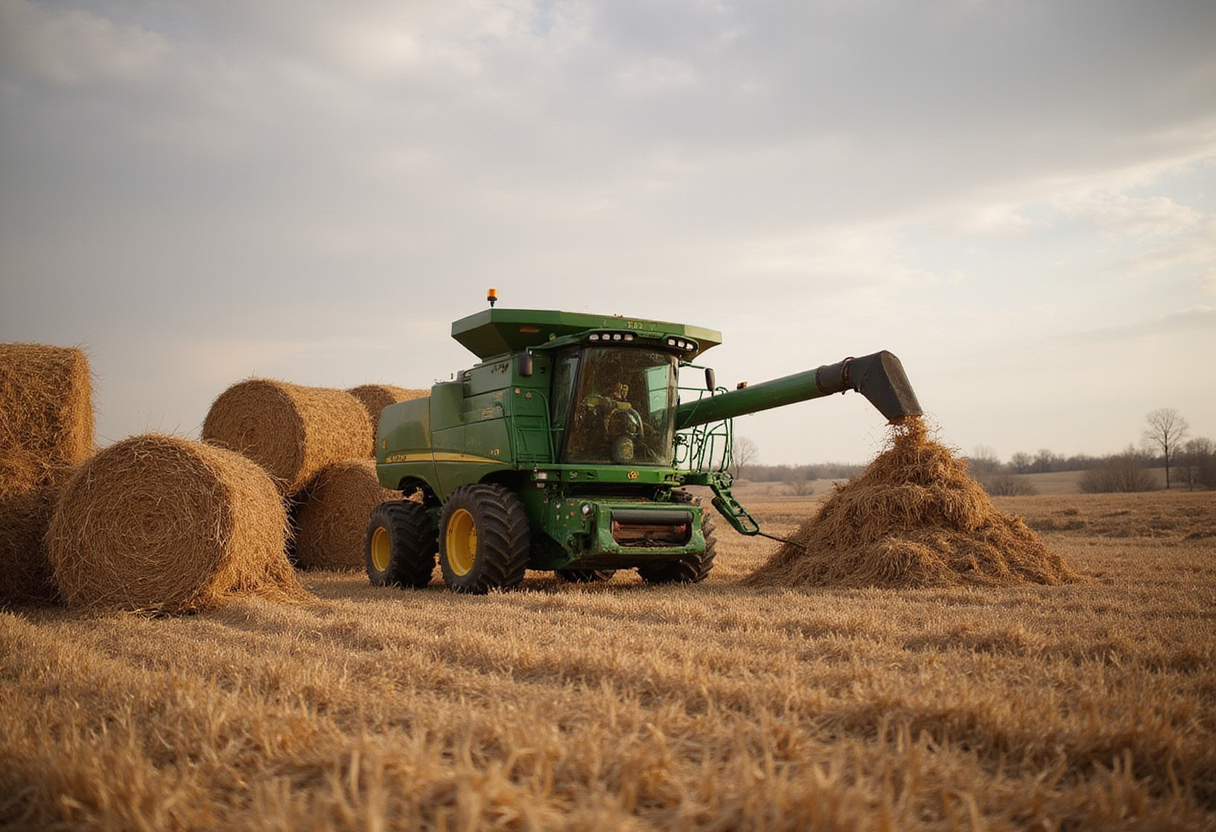
Lance Tarochione, a DeKalb/Asgrow field agronomist who covers western Illinois, says that even though the calendar has only just turned to October, the 2026 harvest already feels like a long one. The reason is a cluster of field problems building at the same time: rainy weather, downed corn, and grain that is drying down slowly in the field.
"We've got lodged beans, we've got lodged corn," Tarochione says, describing the state of crops across his territory.
Lodging — stalks and plants that have fallen or leaned over in the field — matters beyond appearances. Downed corn slows combines, raises harvest losses, and can force growers to run heads lower and slower, which burns fuel and labor hours per acre. The combination with wet weather compounds the problem: operators who might otherwise wait for grain to dry in the field face a tighter window, because storms and standing moisture can knock down more plants the longer crops stand.
Slow drydown adds a second layer of cost. Grain harvested at higher moisture must be dried artificially, which pulls on propane and natural gas budgets and cuts into margins at a time when growers are watching every input line. Waiting for natural drydown, by contrast, risks further lodging and weather losses — a tradeoff each operation in western Illinois is now weighing field by field.
Tarochione's read is a condition report from the field, not a measured harvest result. His observations cover crop condition and harvest progress in western Illinois as of early October 2026; they do not constitute yield data, and harvested results in the region will only become clear as combines cover more ground. Agronomic assessments like his often run ahead of, and sometimes differ from, what USDA survey-based condition ratings and eventual production reports show.
For growers in the region, the practical question is sequencing: which fields to take first, how much lodging loss to accept versus drying costs, and how much weather risk to carry while crops stand. Tarochione's early-season framing — that October has barely begun and harvest already feels long — signals he expects the difficulties, not the calendar, to set the pace from here.
via Brownfield Ag News (Source)
More from Nathan Brooks
Show full bio
Staff writer covering marketplaces and e-commerce at Agribusiness Wire.
174 articles
Also in the yard
- Dry Windows Open Corn Belt Harvest; Plains Rains Bring Relief
- Iowa State Agronomist: Persistent Rain Stalls Harvest, Quality Erodes
- Wet Fields Keep Ohio Harvest Combines Parked
- Southwest Indiana Harvest Accelerates as Wet Season Dents 2026 Crop
- USDA Climate Hub Warns Harvest Delays Could Stretch Into Months