Lot No. LOT-6116 · offered October 9, 2026
Commodity MarketsLot sheet
Weather, WASDE, Yields and Demand Drive Grain Pricing Decisions
Farm Progress advises grain growers to track weather, monthly WASDE reports, actual yields and demand signals before pricing, treating forecasts as data to verify.
Market notes
- Farm Progress identifies weather, WASDE reports, yields and demand as the four key drivers of grain prices.
- USDA publishes WASDE monthly, giving growers a known schedule to plan pricing decisions around.
- The guidance stresses separating crop condition reports and forecasts from harvested production results.
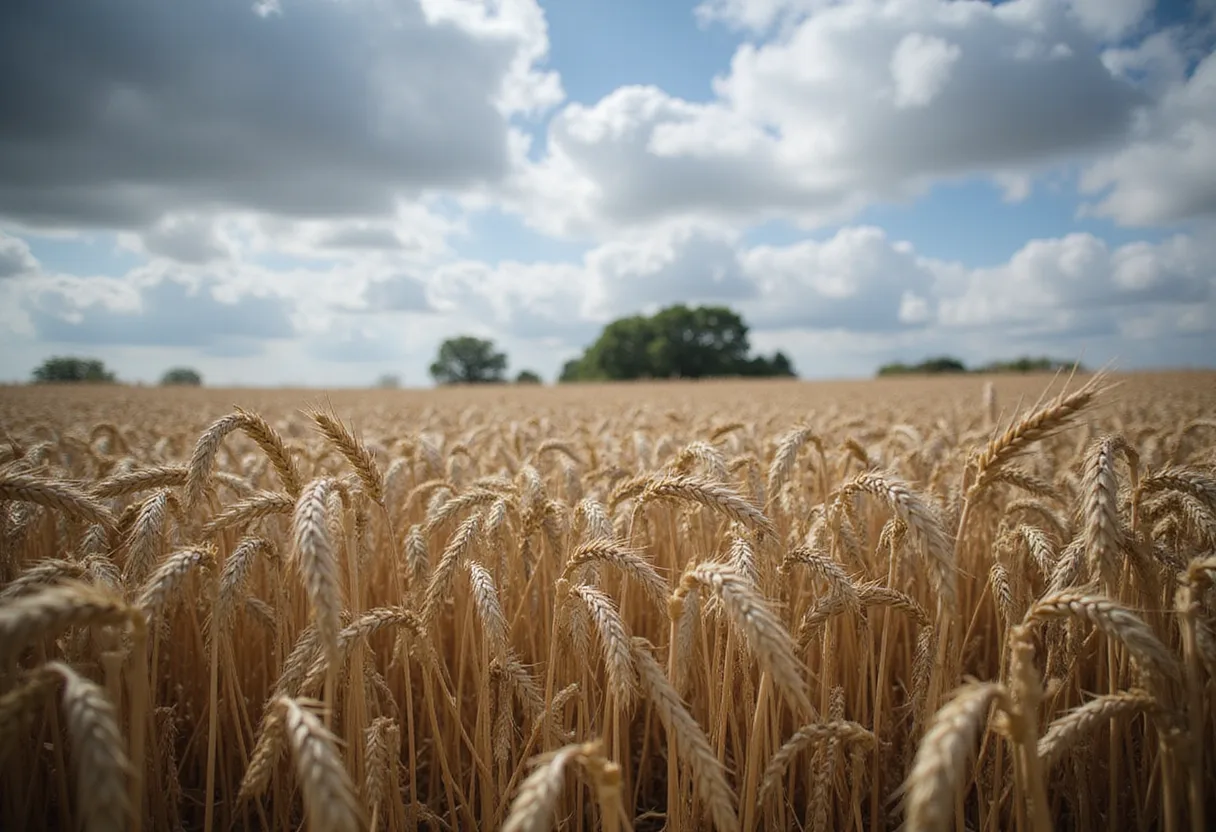
Grain growers hunting the best prices should keep four market drivers in view: weather, USDA's World Agricultural Supply and Demand Estimates, yield outcomes, and demand, according to Farm Progress.
The advice comes as growers weigh marketing decisions in a grain market where selling at the wrong moment can erase months of agronomic effort. Rather than betting on a single price spike, the guidance frames pricing as a process of monitoring recurring, dated information sources and acting when the data align.
Why weather sits at the top of the watch list
Weather remains the first variable because it shapes both supply expectations and trader psychology before a single bushel is harvested. Crop conditions during the growing season feed directly into market forecasts, and those forecasts — not yet harvested results — are what move prices day to day.
That distinction matters for growers reading market commentary. A condition report or a weather-driven projection is an estimate subject to revision. Harvested production figures are the hard numbers. Mixing the two, the Farm Progress guidance implies, is a common way sellers misread where prices are headed.
What WASDE reports actually tell sellers
The monthly WASDE report from USDA is the second pillar of the strategy. Each release updates the government's balance sheet for corn, soybeans and other crops: projected supply, demand, ending stocks and price expectations.
For growers, the report's value lies in its cadence. Because it arrives on a known schedule, sellers can position themselves around it — reviewing their unpriced bushels before publication and deciding whether to price ahead of the numbers or wait for the market's reaction. Treating the estimates as data to check, rather than verdicts, lets growers adjust as later reports refine or overturn earlier projections.
How yields and demand set the floor
The remaining two drivers — yields and demand — determine whether the market's early season story holds. Actual yields replace forecasts as harvest progresses, and the gap between the two is often where price movement accelerates.
Demand, meanwhile, anchors the other side of the balance sheet. Export pace, feed use and processing demand determine how much supply the market can absorb, and shifts in any of those categories can support or undermine prices even when the domestic crop is fixed.
The takeaway for farm margins
Taken together, the four-part checklist is a discipline for protecting margins rather than chasing rallies. Growers who track weather, read each WASDE release, separate condition reports from harvested results, and watch demand signals are better positioned to price grain when the data — not emotion — says sell.
The guidance points growers toward a continuous process: keep watching the reports as the season unfolds, and let the sequence of USDA estimates and harvest data guide incremental sales.
via Google News: Grain prices (Source)
More from Grace Kim
Show full bio
Correspondent covering people, launches and day-to-day practice in Agribusiness coverage for industry professionals at Agribusiness Wire.
453 articles
Also in the yard
- Grain Prices Sit at a Crossroads as Markets Weigh Supply Signals
- U.S. Grain Markets Lose Momentum as Weather Retakes Center Stage After WASDE
- Inflation or USDA Reports: What Actually Moves Grain Prices
- Grain Futures Slide as Weather Premium Fades Despite Softer Crop Ratings
- Grain Markets Brace for Volatile USDA Yield Surprise