Lot No. LOT-1227 · offered November 14, 2026
Seeds, Crop Protection & FertilizerLot sheet
Verdesian CEO: Channel Is Clean, but Patent Cliff Pressure Still Ahead
Verdesian CEO Clare Doyle says ag channels are clean worldwide except Asian gluts of six to 12 months, and the patent cliff will squeeze retailer margins before nutrient use efficiency sales mature.
Market notes
- Verdesian has built its business around nutrient use efficiency for 12 to 15 years.
- Channel inventory is clean in North America, Central America, South America and Europe; Asia holds six to 12 months of glut.
- Channel inventory drawdown began in 2022 after the post-pandemic buying period.
- Verdesian's strongest markets are Midwest corn and soybeans, plus Southeast peanuts and cotton and Western tree nuts.
- Independent retailers are best positioned to shift from product sales to solution-based selling, Doyle said.
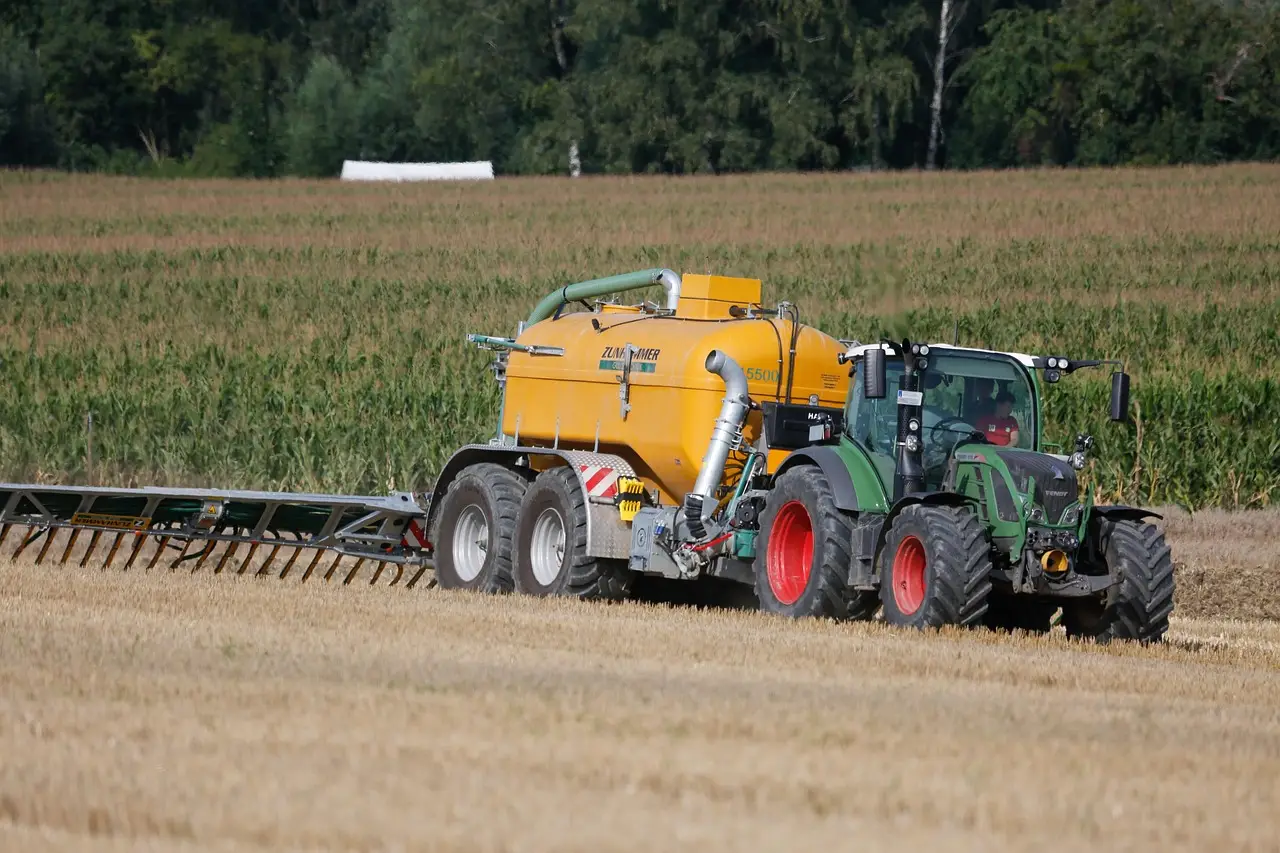
Ag retail channels have largely cleared excess inventory in North America, Central America, South America and Europe, with pockets of six to 12 months' worth of gluts remaining only in Asia, according to Verdesian Life Sciences CEO Clare Doyle. Her assessment frames a year in which margin discipline, a pending crop protection patent cliff (the expiry of proprietary pesticide patents that opens those markets to generic competition) and the Corteva split dominate the input distribution agenda.
Doyle spoke at length with CropLife's Chief Content Officer, Bob West, about why nutrient management programs need to evolve, where data fits, and what crop protection consolidation means for the fertilizer business.
What does 2026 look like for growers and retailers?
"2026 was a very challenging year," Doyle said. "Growers are trying to manage their margins and cash flow as best they can. And when input prices are so high, including diesel prices as growers are bringing in their crops, everything costs more."
She said the industry looks very different today compared with January, and those changes will create real pressure that has not yet moved through the channel. The standout theme of the year, in her view, was discipline: continually asking, "If I spend this dollar, what am I going to get in return?" Growers and retailers are moving beyond habit and focusing on return on investment.
Which changes have not yet hit?
Doyle pointed to two developments:
- The Corteva split and its impact on other crop protection companies, seed companies and retailers.
- The patent cliff's effect on retailer margins and cash flow over the next couple of years.
"If you're suddenly selling the same products at a lower price, you're potentially earning fewer dollars from those sales," she said. "And if you haven't adjusted your cost structure to account for those lower margins, it creates much greater stress across the entire industry."
Although Verdesian does not sell crop protection, Doyle stressed that the crop protection companies and the retailers selling their products are Verdesian customers. "If you put stress on one part of the industry, everybody feels it."
The inventory drawdown that began in 2022 after the post-pandemic buying period created stress at the manufacturing level, because everyone holds less stock while customers still want product the next day. Nobody in crop protection, crop nutrition or nutrient use efficiency (NUE — the share of applied nutrients the plant actually takes up) is exempt.
Where is the opportunity in crop nutrition?
Verdesian's pitch to retailers is to move the grower conversation away from pounds applied toward how effectively those pounds are used. With nitrogen as expensive as it is today, lost or soil-bound nitrogen becomes even more costly. Verdesian products go out alongside NPK and crop protection applications; the company does not sell fertilizer itself. Its portfolio spans:
- fertilizer enhancers, including nitrogen stabilizers and phosphorus enhancers
- micronutrients
- seed-applied biologicals
- stress mitigators
Its strongest markets are in the Midwest, where corn and soybeans form the biggest part of the business, followed by specialty crops in the West and Southeast — peanuts, corn and cotton in the Southeast, tree nuts out West, and potatoes, which Doyle said are looking better this year.
How does Verdesian sell an extra input in a tight-margin year?
"Asking a grower to spend another dollar requires something that's really compelling, and you can't just say, 'Here's another product to try,'" Doyle said. "We have to be solving a problem."
The conversation must return to ROI rather than yield alone, she argued: four more bushels per acre means little without knowing what those bushels cost. "Right now, when margins are really tight, every single product has to earn its place in the program."
Verdesian has worked on the concept for 12 to 15 years and backs it with lab, greenhouse and multi-year field data, which it equips retailers to present region by region, crop by crop, soil by soil. Education runs through in-person and virtual training, agronomists embedded with retailers, and NUE University, a virtual platform delivering nutrient use efficiency content to crop advisers, retailers and growers in small segments.
Independents, Doyle said, are the retailers best equipped to make the transition from commodity sales to partnership-based selling, because they manage locally and tailor approaches to their markets. Verdesian adapts its strategy for retailers with corporate initiatives rather than applying one approach across the board.
What about biologicals and the five-year horizon?
Biologicals remain a work in progress at retail. "There's still a lot of opportunity ahead of us. I don't think we're there yet," Doyle said, citing past experiences with unfulfilled promises — the snake-oil false start the industry is still working through. Verdesian's own path is integrating biologicals into established products, such as a fertilizer enhancer with a biostimulant added, rather than treating them as a separate category.
Verdesian will not enter core NPK, but Doyle said its technologies let retailers or fertilizer manufacturers turn conventional products into differentiated offerings.
Looking five to 10 years out, she expects nutrient use efficiency to become standard practice, hard lines between crop nutrition and crop protection to blur, and soil, tissue and weather data to demand a systems-based approach to crop planning. Asked what she would tell 100 retailers, her answer was differentiation through integration: "Here's how stacking four things together gives you 10, not four."
Doyle closed with a warning that adaptability, speed, strong balance sheets and good leadership will decide who succeeds as the industry's current wave of change — including AI-driven precision agriculture — fully arrives.
via vlsci.com (Original)
More from Rebecca Stone
Show full bio
Market editor covering people, launches and day-to-day practice in Agribusiness coverage for industry professionals at Agribusiness Wire.
496 articles
Also in the yard
- Corteva Recasts Itself as Focused Global Crop Protection Leader
- 66% of corn and soybean growers worried about farm economy
- Potash at a 10-Year Low Still Has Growers Delaying Inputs
- Five Facility Design Trends Reshape Ag Retail Capital Plans
- ERS: Fertilizer Prices Steady as 2025 Planting Opens, Well Below 2021-22 Peaks