Lot No. LOT-5353 · offered November 14, 2026
Seeds, Crop Protection & FertilizerLot sheet
Trump Extends Jones Act Waiver 90 Days for Oil, Fertilizer Cargoes
Trump extends the Jones Act waiver 90 days for oil, fertilizer and fuel cargoes on foreign ships. Some 90 million barrels have moved between US ports since March, per the White House.
Market notes
- Trump extends the Jones Act waiver for 90 days, effective 12 a.m. Monday New York time.
- 338 foreign-vessel voyages have occurred since the waiver began in March, per Cato Institute analysis of government data.
- About 90 million barrels of products, mostly refined fuels, moved between US ports under the waiver.
- California took 23 million barrels of additional products versus 8 million a year earlier.
- Since August, the Maritime Administration must confirm no US-flagged vessel is available before each voyage is waived.
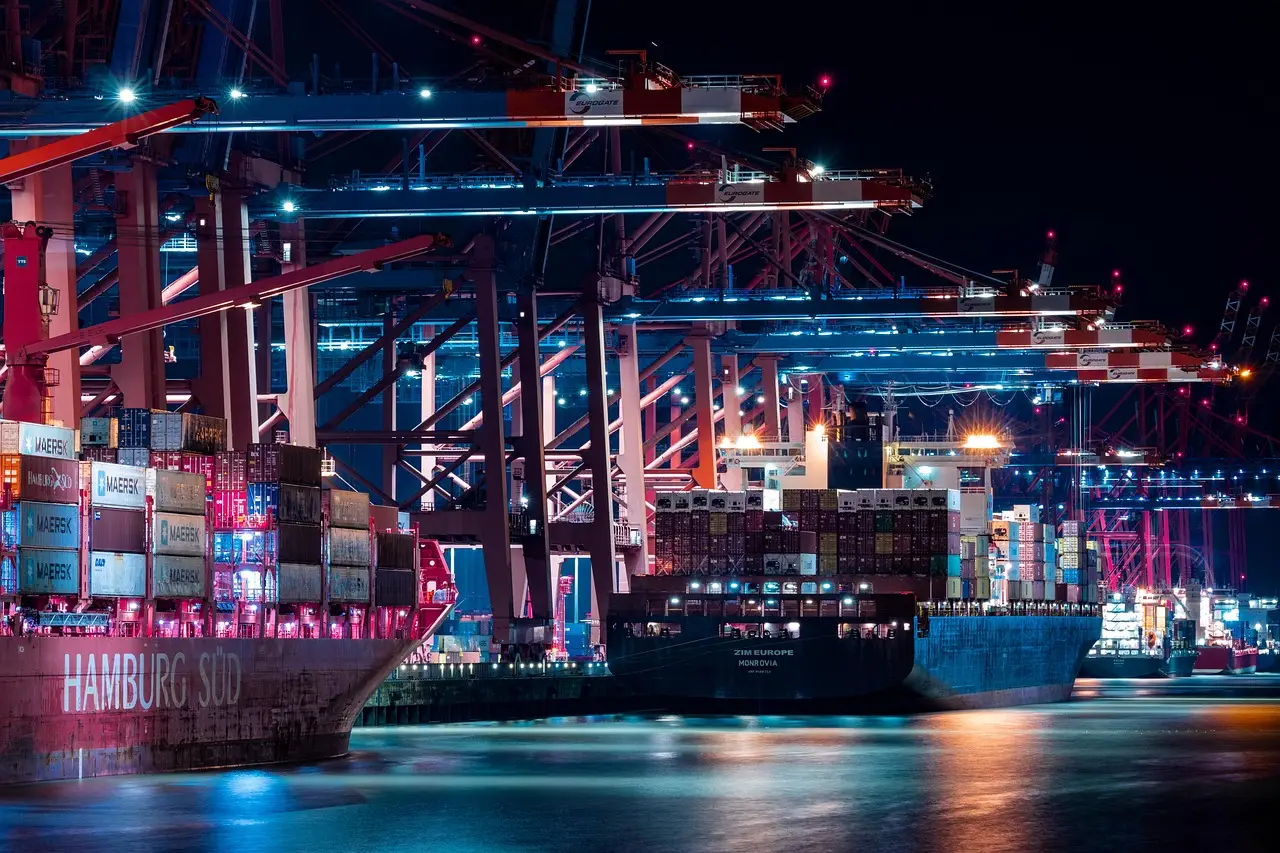
President Donald Trump will extend a waiver of Jones Act shipping mandates for another 90 days, keeping foreign-flagged vessels eligible to carry crude, fertilizer and refined fuels between US ports starting 12 a.m. Monday New York time.
A White House official, speaking on condition of anonymity before the decision was public, confirmed the extension arrives two days before the previous waiver was set to expire. The timing ensures no gap in coverage. The decision underscores the administration's concern about high energy costs tied to the war in Iran, following November midterm elections in which Democrats trounced Republicans amid voter anger over the cost of living.
The breadth of the relief stays unchanged. Trump narrowed the waiver's scope in August, requiring case-by-case government reviews of vessel availability before it applies to individual voyages.
How much cargo has actually moved?
Government data analyzed by the Cato Institute count 338 voyages on foreign vessels since Trump first waived the Jones Act restrictions in March. Those include Texas crude shipped to Pennsylvania and propane to Puerto Rico.
The White House official offered larger figures:
- Some 90 million barrels of products, mostly refined fuels, have moved between US ports since the waiver was first issued.
- California received the majority of shipments: 23 million barrels of additional products, versus 8 million barrels in the same period last year.
- The current waiver enabled about 13 million barrels, more than a third of it gasoline and about 28% crude oil.
Gasoline, crude oil and renewable fuel rank as the biggest beneficiaries. Products eligible under the waiver include gasoline, jet fuel, crude oil, naphtha, liquefied natural gas, soy oil and fertilizers — a list that reaches directly into farm input costs, since fertilizer and fuel are two of growers' largest variable expenses.
For fertilizer shippers and fuel suppliers, cheaper coastal transport can ease delivered prices; for domestic shipbuilders, it erodes a protected market. The official's volume figures come from the administration itself, and no independent tally of the current waiver's cargo has been released — a gap worth noting when weighing claims of efficiency gains.
Takeaway: the numbers are large, but the government is grading its own homework.
Why the waiver keeps shrinking in practice?
The waiver's use has contracted since August. Under the new approach, the US Maritime Administration must be consulted on whether US-flagged, -owned and -operated vessels are available before the waiver applies to any single voyage. That review step functions as a brake: carriers cannot assume relief, and each voyage needs a check.
Shipbuilders and their Capitol Hill allies argued against any extension. They said the waivers undercut longstanding protectionist mandates they view as critical to bolstering domestic shipbuilding capacity — a sector already struggling with order backlogs and workforce shortfalls.
Oil and chemical companies pushed the other way. They said the waiver has moved crude, fertilizer and other commodities between US ports efficiently and at lower cost, helping counteract supply disruptions stoked by the war in Iran and refinery damage in Russia.
Takeaway: the fight is between cheap logistics today and a protected industrial base tomorrow.
How unusual is this waiver?
Trump's exemption stands as the longest and broadest Jones Act waiver in more than seven decades. Previous presidents discreetly lifted the mandates for individual voyages and short periods after hurricanes and pipeline outages disrupted fuel flows. Those were emergency patches; this one has run since March and now extends into a third phase.
The 90-day clock starts Monday, and another extension decision will land amid the same political pressure over energy prices that shaped this one.
via Farm Progress (Source)
More from Olivia Hart
Show full bio
News editor covering technology and product news in Agribusiness coverage for industry professionals at Agribusiness Wire.
519 articles
Also in the yard
- Diesel, Gasoline Slip but Stay at October Records as Trump Rejects Export Ban
- Trump's diesel order reopens RFS fight between refiners, biofuels
- Dyed diesel waiver pairs with state measures to trim farm fuel costs
- Oil at $100, harvest costs double: Trump's China week
- Hormuz Crisis Could Keep U.S. Fertilizer Costs High for Years