Lot No. LOT-3121 · offered November 2, 2026
Commodity MarketsLot sheet
USDA Trims US Rice Crop to 157.7 Million Cwt, Long-Grain Price Climbs
USDA cuts the U.S. rice crop to 157.7 million cwt, down 24%, and lifts long-grain to $14/cwt as El Niño and Middle East conflict tighten global supply.
Market notes
- USDA projects the 2025 U.S. rice crop at 157.7 million cwt, down 24% year over year, on 2 million harvested acres.
- All-rice season-average price is projected at $15.20 per cwt, up from $12.40 last year; long-grain forecast raised 50 cents to $14.
- USDA projects 2026 global rice production down 4.6% from 2025, with El Niño hurting India, Thailand, Vietnam and Mercosur crops.
- FAO's indica index rose 15% from March to September; Thai export prices up 23%, U.S. up 12%.
- U.S. rice imports projected at 43 million cwt, 36.7% of the domestic long-grain market, up 134% since 2010.
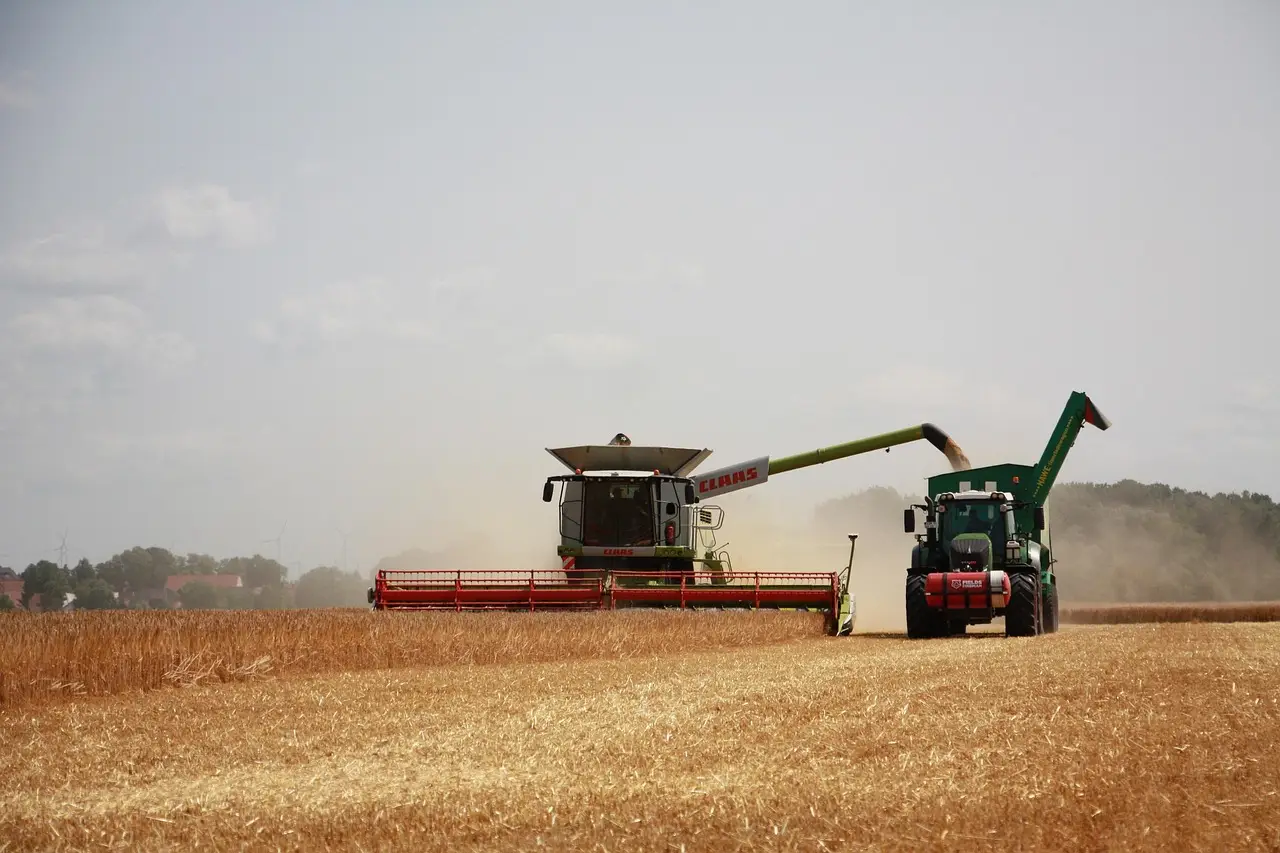
USDA's October WASDE puts the 2025 U.S. rice crop at 157.7 million hundredweight — down 24% from last year and among the smallest in decades — and lifted its long-grain price forecast 50 cents to $14 per cwt on stronger cash and futures values since harvest began.
Harvested acres collapsed to roughly 2 million, down 25% from 2.74 million in the 2025-26 marketing year. Arkansas drove the decline, falling from 1.25 million acres to 886,000 — a 29% year-over-year drop. Yield partly cushioned the loss. The national average is forecast at 7,668 pounds per acre, up from 7,544 a year ago, but down about 22 pounds from last month on late-season conditions in the Mississippi Delta.
The balance sheet tightened accordingly. USDA projects 2026-27 ending stocks at 40 million cwt, and the all-rice season-average price at $15.20 per cwt, up sharply from $12.40 last year.
What does this change for Midsouth growers?
Cash in hand hasn't caught up to the forecast yet. USDA's National Agricultural Statistics Service pegs the long-grain price actually received in August at just $10.70 per cwt. The WASDE number assumes prices firm for the rest of the marketing year as the smaller crop moves through the market. For Midsouth producers, a historically small crop — driven by fewer acres, not yield failure — is pulling long-grain prices up from the multiyear lows posted earlier this year.
Global weather and trade are doing the heavy lifting
Two external forces dominate the outlook. The ongoing super El Niño threatens production across Asia and South America. In India, the world's largest rice producer and exporter, the southwest monsoon ended Sept. 30 with a 12.6% rainfall deficit for June through September — the weakest monsoon since 2015 — putting the main Kharif crop's productivity and quality at risk. As of October, USDA projects 2026 global rice production 4.6% below 2025, though still 4% above the 2021-25 average.
Dry weather also threatens:
- Vietnam's winter-spring crop, roughly 45% of annual production
- Thailand's secondary crop, roughly 20% of annual production, plus the yield and quality of its main crop now in development
- Mercosur planting, where wetter-than-normal conditions prompted Brazil's CONAB to forecast 2026 production 3% below 2025, with Argentina and Uruguay facing potentially larger losses
USDA projects Thailand's 2026 output down 1.9% and Vietnam's down 0.4%.
Conflict in the Middle East adds a second layer, specifically the Strait of Hormuz. Iraq, Kuwait, the UAE and Qatar together accounted for about 6% of global rice imports in 2023-25. Iraq matters most for U.S. growers: the third-largest export market for U.S. rice overall and the second-largest for milled rice after Haiti over the last three marketing years.
Export prices already reflect the squeeze
The FAO's indica index, tracking long-grain export prices, rose 15% from March to September. By origin: Thailand up 23%, Vietnam up 19%, Uruguay up 17%, the U.S. up 12%, India up 10%.
The Arkansas Global Rice Economics Project points the same direction:
- Thai long-grain FOB price: $453 per metric ton projected for MY 2026, versus $395 in 2025
- U.S. long-grain (U.S. No. 2/4, FOB Houston): $675 per MT projected, versus $569 in 2025
- U.S. farm price: $14.05 per cwt projected for 2026
The import ceiling on domestic prices
One constraint tempers the rally: imports, mainly aromatic rice. The latest WASDE projects U.S. rice imports at 43 million cwt (1.95 million MT) this year — 36.7% of the domestic long-grain market. Imports have grown 134% since 2010, and projections now show the U.S. becoming a net importer of long-grain rice, including aromatics, by 2035.
Looking ahead, current global conditions support firm prices through the 2026 marketing year, with a high probability of spillover into 2027 if El Niño lingers. The wild card is policy: whether India reacts to lower production with an export ban, as it did in 2023 — a move that would add further upward pressure on prices.
via Farm Progress (Source)
More from Nathan Brooks
Show full bio
Staff writer covering regulation, policy and their impact on Agribusiness coverage for industry professionals at Agribusiness Wire.
523 articles
Also in the yard
- Boozman Optimistic on Farm Bill Path, Eyes Post-Election Vote
- USDA Raises Corn Carryout to 1.849 Billion Bushels, Up 282 Million
- Corn Slips to $5.22 as Traders Position Ahead of USDA Stocks Report
- December Corn Reclaims $5 as Crop-Tour Losses Meet Global Shortfalls
- Low Water on the Mississippi Costs Southern Corn Growers Up to 71 Cents