Lot No. LOT-7807 · offered October 30, 2026
Commodity MarketsLot sheet
Corn Breaks Below $4.50 as USDA Reports 297,150 Tons of Soybean Sales
December corn broke below $4.50 to $4.49¾ on October 30, 2026, while USDA reported 297,150 metric tons of soybean sales to unknown destinations, lifting January beans to $12.38½.
Market notes
- December corn traded at $4.49¾ per bushel on October 30, 2026, down 1½ cents and below $4.50.
- USDA reported two soybean export sales to unknown destinations totaling 297,150 metric tons for 2026/2027.
- January soybeans gained 3¾ cents to $12.38½ per bushel.
- January feeder cattle fell $5.63 to $336.33 per hundredweight; live cattle dropped $2.83 to $223.48.
- December crude oil rose to $103.85 per barrel, pressuring fuel and input costs.
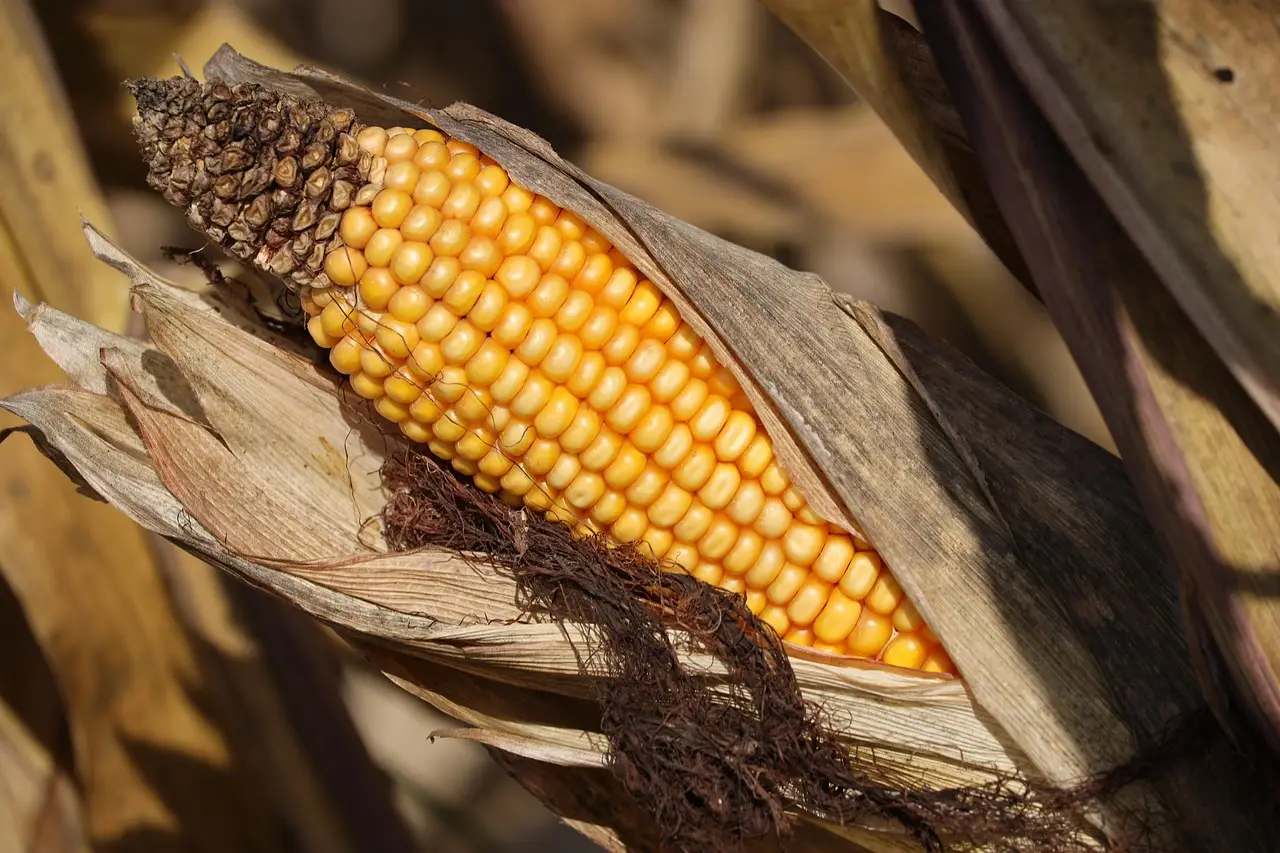
December corn slipped below $4.50 per bushel on Friday, October 30, 2026, trading at $4.49¾ shortly after 8:30 a.m. Central Time — down 1½ cents on the session, according to market data published by Successful Farming. The break came even as USDA announced fresh soybean export sales totaling 297,150 metric tons, splitting the grain complex into two very different stories for U.S. growers.
The decline matters because it lands on farmers already managing tight operating margins, elevated input costs and uncertain cash prices. Corn under $4.50 leaves little cushion. Storage expenses, financing costs and basis pressure only sharpen the math.
Why can't corn find a bottom?
Market analyst Naomi Blohm of Total Farm Marketing said December corn held near the $4.50 threshold after nearly producing a bullish key reversal twice during Thursday's session. She described the contract as technically oversold but still searching for a confirmed bottom.
What does this change for producers holding harvested grain? A sustained recovery could open better marketing windows. Continued weakness, by contrast, would squeeze farm profitability further — especially for operations carrying stored corn against financing and storage bills.
The immediate test is simple: either corn recovers above $4.50 and establishes a technical bottom, or volatility keeps weighing on grain producers, agricultural cooperatives and investors.
What did USDA actually sell?
USDA announced two soybean export sales to unknown destinations for the 2026/2027 marketing year:
- 165,150 metric tons
- 132,000 metric tons
- Combined total: 297,150 metric tons
January soybean futures responded, gaining 3¾ cents to $12.38½ per bushel on renewed attention to international demand. The commitments could support sentiment, but actual shipments and future demand will decide the longer-term impact. For U.S. soybean growers, export activity remains a key driver of both price levels and marketing decisions.
What about wheat, cattle and crude?
Wheat showed limited movement across the three exchanges:
- December Chicago wheat: $6.03½ per bushel
- Kansas City wheat: $6.44¾
- Minneapolis wheat: $6.25½
Livestock took the harder hit. January feeder cattle fell $5.63 to $336.33 per hundredweight, and December live cattle dropped $2.83 to $223.48. Meanwhile, December crude oil rose to $103.85 per barrel — a move that adds pressure to transportation, fuel and agricultural input costs across the U.S. supply chain.
How should growers respond?
Corn below $4.50 reinforces the case for managing price risk and protecting operating margins. Producers face a checklist of levers: grain storage decisions, forward contracts, crop insurance and financing costs, all while monitoring USDA export reports and global demand signals.
The divergence inside the complex is the story. Soybeans have export demand behind them; corn has technical weakness and selling pressure. Until December corn reclaims $4.50 and holds it, commodity price volatility stays a central planning variable for the 2026 crop year.
via Google News: Grain prices (Source)
More from Nathan Brooks
Show full bio
Staff writer covering regulation, policy and their impact on Agribusiness coverage for industry professionals at Agribusiness Wire.
521 articles