Lot No. LOT-5647 · offered September 27, 2026
Seeds, Crop Protection & FertilizerLot sheet
Membrane Protein Research Gains Speed for Crop Protection Tools
Faster membrane protein research tools could compress crop protection discovery timelines and widen the pool of modes of action for growers.
Market notes
- Membrane proteins are key targets for pesticide and herbicide action but are hard to image
- Accelerated structural workflows can shorten agrochemical discovery pipelines
- New modes of action are needed as resistance and regulation shrink existing options
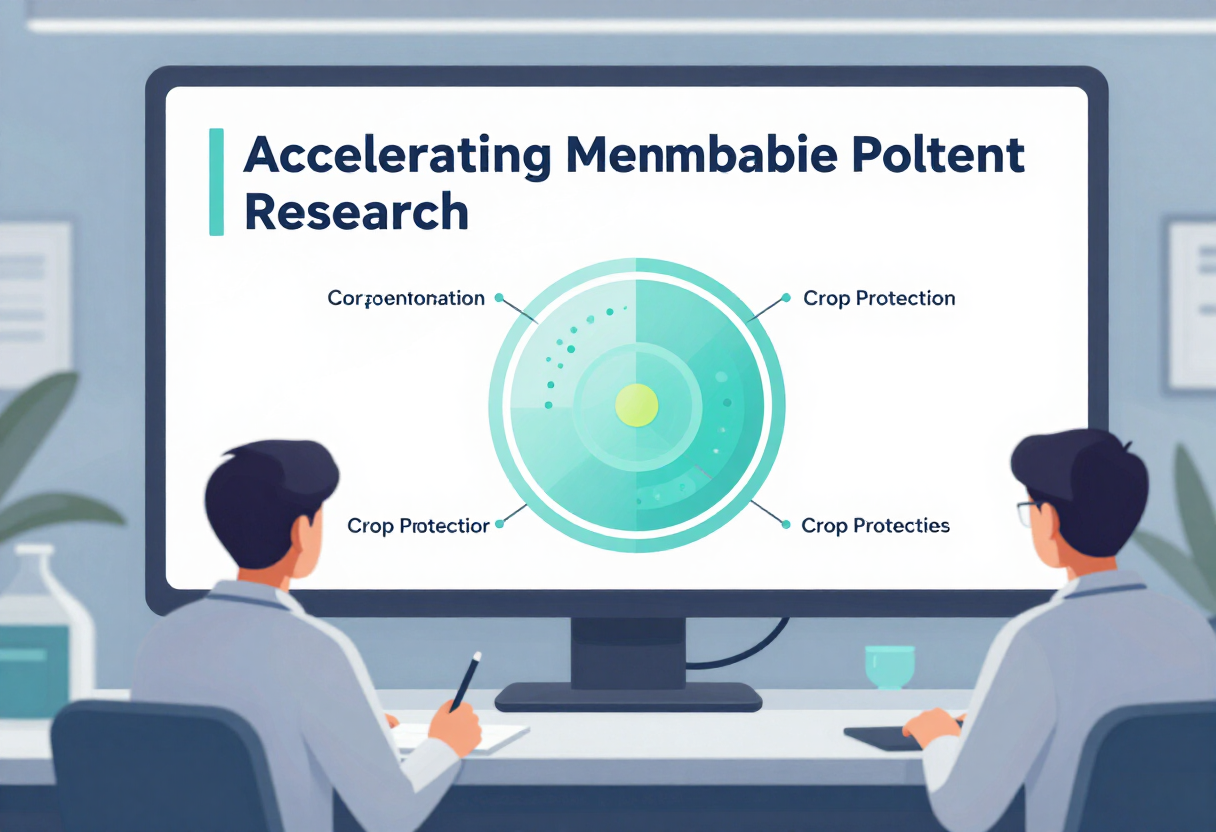
Structural biologists are accelerating membrane protein research with direct implications for crop protection chemistry, The Scientist reports.
Membrane proteins sit at the center of how pesticides, herbicides, and novel crop protection compounds interact with target organisms. These proteins anchor the transport channels, receptors, and signaling machinery in insect, fungal, and plant cells. For agrochemical developers, mapping their structures has historically been slow and expensive. Membrane proteins are hydrophobic, unstable outside lipid environments, and notoriously difficult to crystallize or image.
That bottleneck matters for agriculture. Discovery programs at major input makers depend on structural data to design molecules that bind precisely to pest targets while sparing beneficial organisms. When structure determination takes years, candidate compounds stall in the pipeline before a single field trial begins. Faster membrane protein workflows — driven by advances in cryo-electron microscopy, expression systems, and sample preparation — compress that timeline.
For growers, the downstream relevance is straightforward. Shorter discovery cycles can widen the pool of available modes of action, a pressing need as resistance erodes the efficacy of established chemistries. Weed scientists and entomologists have documented resistance to multiple herbicide and insecticide classes across major production regions, and regulatory pressure continues to remove older compounds from the market. New target proteins, validated structurally, are one route to replacement products.
The cost side is equally relevant. Input prices remain a major line item in producer budgets, and any technology that reduces the research-and-development burden behind a new active ingredient could influence how quickly generic competition and next-generation products reach the market.
The report does not name specific agrochemical companies, targets, or timelines, so readers should treat the development as a platform-level advance rather than a product announcement. No condition reports, field results, or registration milestones accompany the research.
Industry analysts will watch whether structural biology platforms of this kind translate into registered actives with novel modes of action within the current decade.
via Google News: Crop protection (Source)
More from Marcus Bennett
Show full bio
Senior reporter covering marketplaces and e-commerce at Agribusiness Wire.
127 articles
Also in the yard
- Researchers Decode Fungal Chemistry, Pointing to Greener Crop Protection
- Syngenta Turns AI Loose on Crop Protection Development
- Soil Health Emerges as New Frontier in U.S. Crop Protection
- Precision Agriculture Emerges as Key to Biological Crop Protection
- Challenge 250: New Crop Protection Initiative Targets Invasive Pests